
Planting
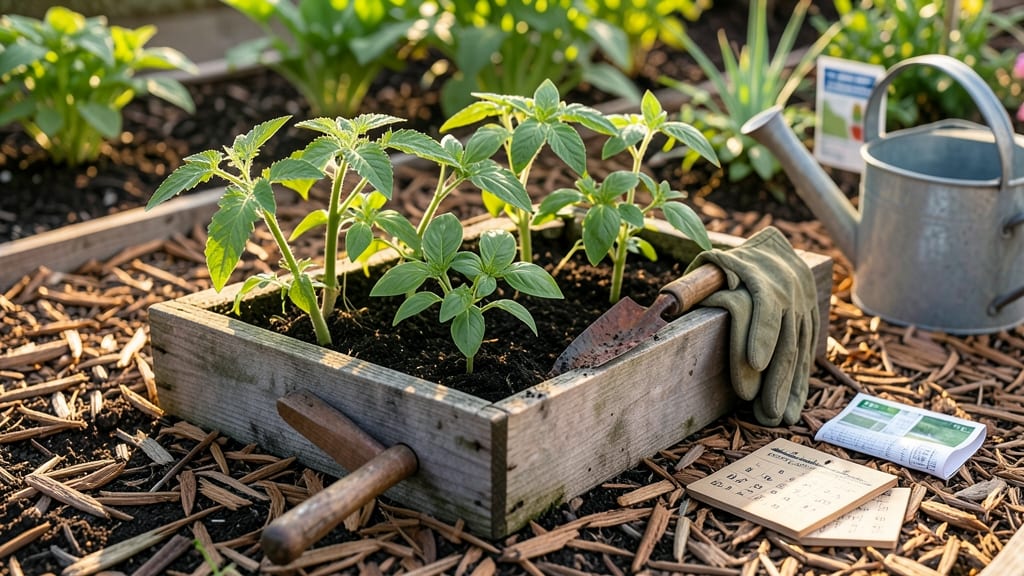
To plant a garden in Cleveland, Ohio, time your sowing between March 15 and April 15 for cool-season crops and wait until May 15 for heat-lovers like tomatoes.
Cleveland’s unpredictable weather can make gardening a guessing game—plant too early and risk frost damage, too late and miss peak harvests. But mastering the frost-free timeline for Zone 6a turns uncertainty into a thriving garden plan.
With 165 frost-free days on average, you’ve got a solid window to grow everything from leafy greens to zucchini—but the key is knowing when to start indoors and when to rush seeds into the soil.
Below, I break down the exact planting calendar by month, frost-proofing tips for late starts, and how to stretch your season with row covers and cold frames.
Cleveland Ohio frost dates: key planting windows by season
Cleveland’s Zone 6a climate means frost can strike anytime between April 15 and October 15, but your exact planting window depends on whether you’re in the city’s urban heat islands or cooler rural areas.
Last spring frost averages around April 15, while the first fall frost typically hits October 15, giving you about 165 frost-free days—plenty for two full planting seasons.
For cool-season crops like kale and peas, start planting 4-6 weeks before your last frost (early March). Warm-season plants like tomatoes and peppers need to wait until 2-3 weeks after the last frost (mid-May).
Urban areas may have 1-2 weeks earlier frost-free periods due to concrete absorbing heat, while rural spots near Lake Erie can experience delayed spring warming.
Microclimates matter: South-facing slopes warm faster, while low-lying areas hold frost longer. Even a 10-degree difference can mean the difference between success and failure for heat-sensitive plants like eggplants. Always check NOAA’s Cleveland frost data for your specific neighborhood’s trends.
| Plant Type | Planting Window | Sun Needs | Notes |
|---|---|---|---|
| Cool-Season Veggies | March 15 - April 15 | Full sun to partial shade | Spinach, lettuce, peas (tolerate light frost) |
| Warm-Season Veggies | May 15 - June 15 | Full sun (6+ hours) | Tomatoes, peppers, cucumbers (need warmth) |
| Root Crops | April 1 - May 15 | Full sun to partial shade | Carrots, beets, potatoes (plant early) |
| Perennials | April 1 - May 15 | Varies by type | Daylilies, coneflowers (hardy to Zone 6) |
| Fall Crops | August 1 - September 1 | Full sun | Kale, broccoli, radishes (harvest before frost) |
Cleveland’s urban vs. rural divide creates distinct planting challenges. Downtown gardens often enjoy earlier springs due to heat retention, while suburban areas near Lake Erie may experience delayed warming from lake breezes.
For example, tomatoes planted in downtown Cleveland’s Zone 6b pockets might thrive 10 days earlier than in Zone 6a rural areas.
Use row covers to extend your spring planting by 2-3 weeks for heat-sensitive crops. For fall, black plastic mulch can push harvests into late October by trapping soil warmth. Always monitor weekly NOAA forecasts—a late April frost can still occur, even after the average date.
For cold-hardy crops like kale and spinach, you can plant as early as March 1 in protected microclimates. Peas and radishes are excellent early indicators of frost risk—they’ll bolt or freeze if temperatures drop below 25°F.
Meanwhile, heat-loving basil and okra should wait until soil temperatures hit 60°F+.
Pro tip: Test soil temperature with a thermometer before planting warm-season crops. If it’s below 55°F, seeds won’t germinate properly. Cleveland’s lake-effect winds can also create microclimate pockets—plant windbreaks if your garden sits in a frost pocket near water.
Remember, first frost dates shift yearly. Over the past decade, Cleveland’s last frost has occurred as late as May 5, while the first frost has arrived as early as September 20.
Adjust your planting timeline by 1-2 weeks based on recent local trends rather than relying solely on averages.
For extended-season gardening, choose fast-maturing varieties (e.g., ‘Early Girl’ tomatoes mature in 55 days vs. 80+ days for heirlooms). Pair this with succession planting: Sow lettuce every 2 weeks from March to August for continuous harvests.
🌱
Best month-by-month planting calendar for Cleveland gardens
Cleveland’s gardening season hinges on timing—get it right, and you’ll enjoy fresh tomatoes and herbs all summer. Get it wrong, and frost or heat waves can ruin your hard work. My Zone 6a garden thrives when I follow this monthly planting schedule, adjusted for Cleveland’s lake-effect winds and microclimates.
Start by marking your calendar for the average last frost date (April 15) and first frost (October 15). These dates divide your season into cool-season and warm-season planting windows.
For example, spinach and peas love the cooler temps of spring, while peppers and eggplants need the warmth of summer to flourish.
🌱 Month-by-Month Planting Highlights for Cleveland
- March: Start cool-season crops indoors—lettuce, kale, and onions. Harden off seedlings by late month for outdoor planting after frost.
- April: Plant peas, radishes, and carrots outdoors as soon as soil warms. Transplant broccoli and cabbage 2-3 weeks before last frost.
- May: Warm-season stars like tomatoes, beans, and cucumbers go in after May 15. Succession plant lettuce for fall harvest.
- June: Direct-sow corn and squash. Mulch to retain moisture and protect from lake-effect winds.
- July: Start fall crops indoors—spinach and beets. Thin carrots and radishes to avoid overcrowding.
- August: Plant garlic for next year and cool-season greens like arugula. Harvest tomatoes before frost.
- September: Extend the season with row covers for kale and broccoli. Plant winter rye as a cover crop.
- October: Harvest remaining crops and protect tender plants with straw mulch before first frost.
Succession planting is my secret weapon for continuous harvests. For example, sow bush beans every 2 weeks from May to July to keep the green bean harvest going all summer. Similarly, plant radishes every 3 weeks—they mature in just 30 days, giving you quick rewards.
Cleveland’s lake-effect winds can stress young plants, so I always stake tall varieties like tomatoes and peppers early. Use windbreaks made of burlap or plant tall sunflowers around the garden’s perimeter to shield delicate crops.
Don’t forget to plan for fall planting in August and September. Crops like spinach and garlic thrive in cooler weather and reward you with harvests in late fall or early spring. Use black plastic mulch to warm the soil for early spring planting of peas and lettuce.
By following this calendar, you’ll maximize your garden’s potential and enjoy fresh produce from spring greens to fall squash. Happy planting! 🌿