
Planting
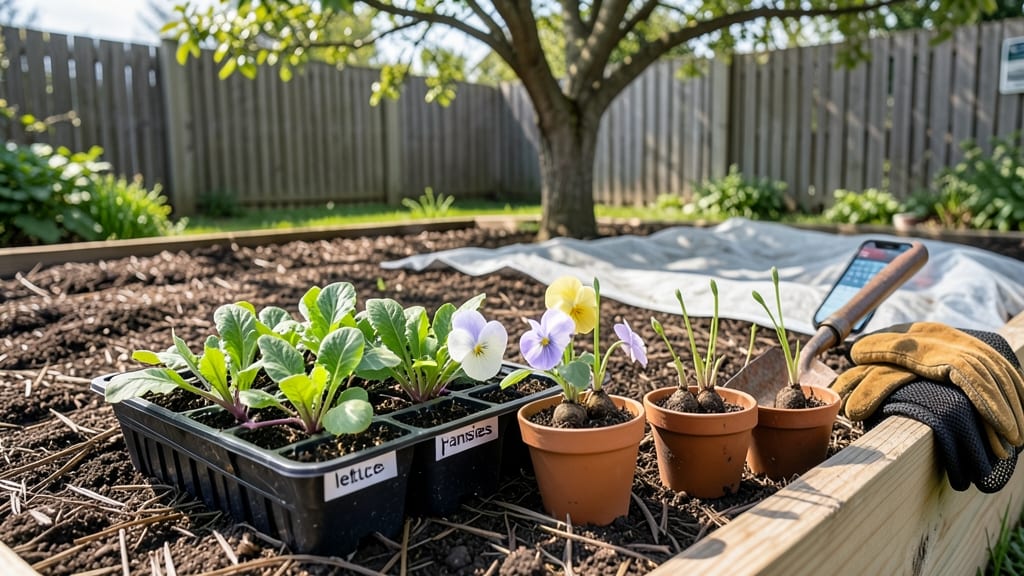
To plant a garden in New Brunswick, aim for April 15–May 15 after the last frost—though coastal areas like Saint John may wait until early May to be safe.
Timing your garden planting in New Brunswick can mean the difference between a thriving harvest and a disappointing loss—especially with the region’s unpredictable spring frosts. Knowing the exact frost-free dates for each crop type ensures you start seeds and transplant seedlings at the perfect moment, maximizing your growing season.
In USDA Zone 5b, most 🌱 General Garden Plants thrive when soil warms to 50°F (10°C), but late frosts can still sneak in until mid-May. Coastal areas like Moncton often have a shorter window, while inland Fredericton may see earlier warmth—so adjust your schedule based on your microclimate.
Below, I’ll break down the best planting windows for cool-season crops (like peas and lettuce) versus warm-season favorites (tomatoes and peppers), plus tips to extend your harvest through fall. Ready to grow?
New Brunswick frost-free dates by region: when to start planting
New Brunswick’s frost-free dates vary dramatically across regions, making it critical to know your local averages. In Fredericton, the last spring frost typically arrives around May 15, while coastal areas like Saint John may see frost as late as May 25.
These differences can shift your planting window by weeks, especially for warm-season crops like tomatoes and peppers.
Understanding these dates helps you avoid late frost damage while maximizing your growing season length. Coastal areas often enjoy earlier planting due to moderating ocean influences, but inland regions like Moncton (average last frost: May 10**) face higher frost risks.
Always check historical data from Agriculture and Forestry New Brunswick for your specific microclimate.
Here’s how frost-free dates translate into planting action:
| Region | Last Spring Frost | First Fall Frost | Frost-Free Days | Safe Transplant Window |
|---|---|---|---|---|
| Fredericton | May 15 | October 5 | 140 days | May 20 - September 15 |
| Moncton | May 10 | October 10 | 150 days | May 15 - September 20 |
| Saint John (Coastal) | May 25 | October 15 | 145 days | June 1 - October 1 |
| Fundy Coastal | May 20 | October 10 | 145 days | May 25 - September 25 |
*Dates based on 30-year averages; microclimates may vary by 1-2 weeks
For cool-season crops like lettuce or peas, you can often plant as early as April 15 in most regions, even before the last frost. These hardy plants tolerate light frosts, but avoid transplanting warm-season crops until after your region’s average last frost date.
In Fredericton, that means waiting until May 20—but always have frost cloth ready for late surprises.
Microclimates play a huge role in New Brunswick’s planting success. A south-facing slope warms up faster than a north-facing valley, potentially extending your season by 1-2 weeks.
Urban areas with concrete and buildings can also trap heat, creating urban microclimates that allow earlier planting. Use these advantages by placing heat-sensitive crops near warm spots.
When planning your garden, account for seedling maturity times. Tomatoes need 70-85 days to fruit, so in Saint John, you’d start seeds by June 1 to harvest before the first frost.
Meanwhile, fast-maturing crops like radishes (25 days) can be direct-sown as early as April 1 in all regions. Always check seed packets for days to maturity to align with your frost-free window.
Pro tip: Use row covers or cold frames to push your season earlier. These tools can add 2-4 weeks to your planting window, especially in cooler inland regions. For example, in Moncton, you might transplant tomatoes under row covers on May 15 instead of waiting until June.
Just remove covers once nighttime temperatures consistently stay above 50°F (10°C).
Don’t forget about fall planting. Many crops like kale, spinach, and carrots thrive when planted in late summer for fall harvests. In Fredericton, you can direct-sow these until August 15, giving them time to mature before the first frost.
Coastal areas have even more flexibility, with some crops tolerating light frosts well into October.
For real-time updates, consult Agriculture and Forestry New Brunswick’s frost maps or local weather stations. These resources provide weekly frost forecasts that help you adjust planting dates based on current conditions. With this regional knowledge, you’ll transform New Brunswick’s unpredictable climate into a gardener’s advantage.
Best planting schedule for New Brunswick crops: cool vs. warm season
New Brunswick's short growing season and unpredictable frosts demand precise planting timing. Cool-season crops like lettuce and peas thrive in spring's chill, while tomatoes and peppers need warm soil. My schedule balances these needs with indoor starts and succession planting to stretch harvests until first frost.
For cool-season crops, begin indoor seed starting in early March for cabbage and broccoli. Transplant outdoors after May 15, when soil reaches 50°F (10°C).
Warm-season crops like tomatoes and beans need 6-8 weeks indoors starting in April, with outdoor moves post-last frost (typically May 20-30).
| Crop | Planting Window | Indoor Start | Notes |
|---|---|---|---|
| Potatoes | Early April (seed) | N/A | Plant early varieties by April 15 |
| Lettuce | March (indoor) / May (outdoor) | 4-6 weeks before last frost | Succession plant every 2 weeks |
| Peas | Early May | N/A | Tolerates light frost; plant early |
| Tomatoes | April (indoor) / June (outdoor) | 6-8 weeks before last frost | Use row covers for early starts |
| Carrots | April-May / August (succession) | N/A | Thin seedlings to 3 inches apart |
| Peppers | April (indoor) / June (outdoor) | 8-10 weeks before last frost | Needs warm soil (70°F+) |
| Spinach | March-April / August-Sept | N/A | Bolts in heat; plant early/late |
| Zucchini | May-June | N/A | Grows quickly; succession plant |
Extend your harvests with succession planting. For example, sow lettuce every 2 weeks from May to July, while beans can be planted in three batches—May, June, and July—for continuous pods. Cool-season crops like kale and radishes handle late summer plantings, thriving until first frost.
Adjust timelines for coastal areas (warmer) by planting warm-season crops 1-2 weeks earlier. Inland regions like Fredericton should wait until June 1 for tomatoes and peppers to avoid frost risk. Always monitor soil temperature—use a soil thermometer to confirm readiness for warm-season crops.
Protect tender plants with frost cloth or row covers to extend the season. For peppers and eggplants, start seeds indoors in March and transplant after June 15. With these adjustments, you’ll enjoy homegrown produce from June through October—even in New Brunswick’s cool climate! 🌱