
Planting
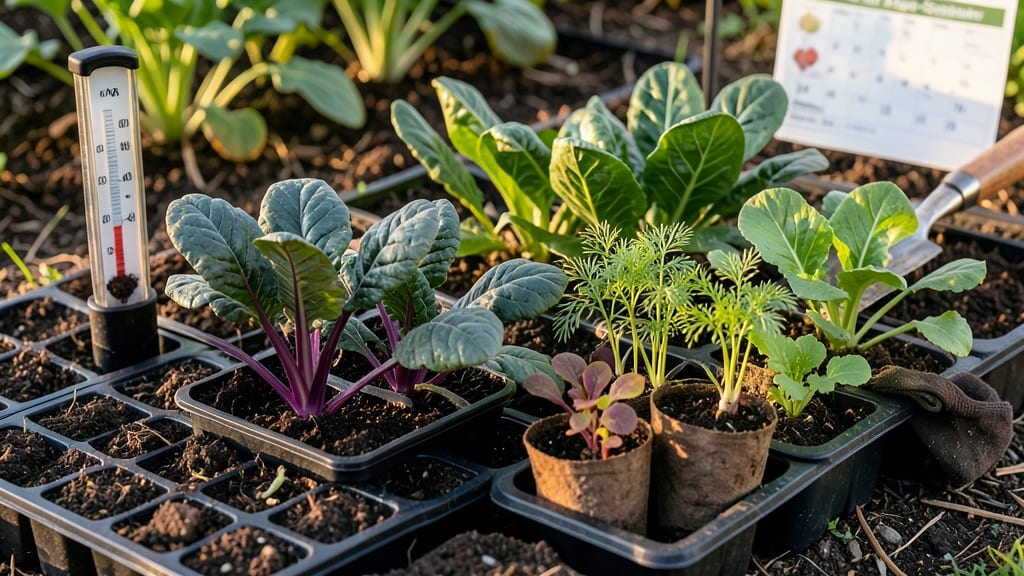
Planting your fall garden in Alabama between late August and early October sets you up for a bountiful harvest before winter arrives.
Alabama’s warm fall climate offers a perfect second chance for gardeners—but planting too early or late can ruin your harvest. Timing is everything, and these exact dates will help you maximize your 🌱 fall garden vegetables potential before winter sets in.
If you’ve ever watched your seedlings bolt in the heat or freeze under an early frost, you know how critical the right window is. The key is working with Alabama’s 7a-8b zones, where cooler nights arrive gradually, giving you a longer growing season than you might expect.
Below, I’ll break down the best planting dates by crop type, how to adjust for microclimates, and the 3 biggest mistakes that derail Alabama fall gardens—so you can enjoy fresh greens, root veggies, and herbs straight from your yard.
Alabama fall planting calendar: exact dates by crop type
Alabama’s fall garden thrives when you align planting with the state’s USDA zones 7a-8b, where average first frost arrives between November 1-15. Northern regions like Huntsville (Zone 7a) need earlier starts, while southern areas like Mobile (Zone 8b) can extend planting until early October.
Start with cold-hardy crops like kale and spinach—they’ll reward you with harvests even after light frosts.
For leafy greens and brassicas, aim to plant 6-8 weeks before frost. This means late August for northern Alabama and early October for southern regions. Root vegetables like carrots and beets can handle cooler temps, so they get a 2-week later start than leafy crops.
Herbs like cilantro and dill also thrive in fall’s milder weather but bolt quickly if planted too late.
Here’s your Alabama Fall Planting Calendar broken down by crop type, with exact dates tailored to the state’s microclimates. Adjust for your specific location—check the Alabama Extension frost map for precision.
For northern Alabama, prioritize late August plantings of broccoli and cabbage—these cool-season crops need 90-120 days to mature. In southern Alabama, you can push the envelope with early October plantings of spinach and radishes, which tolerate light frosts.
Always check your local frost dates—a sudden cold snap can turn a thriving garden into a sad, wilted mess.
Extend your fall harvest by using row covers or cold frames to protect tender crops. Lettuce and kale often taste sweeter after a light frost, so don’t rush to harvest them too soon.
For herbs like cilantro, succession planting every 2 weeks ensures a steady supply—just avoid planting too late, or you’ll end up with bitter leaves.
Soil prep is half the battle in Alabama’s fall garden. Test your soil pH (aim for 6.0-7.0) and amend with compost or aged manure to improve drainage. Heavy clay soils common in northern Alabama benefit from sand or peat moss, while sandy soils in southern Alabama need organic matter to retain moisture.
A 1-inch layer of mulch after planting helps regulate soil temperature and reduces weeds.
Don’t overlook succession planting—it’s the secret to a continuous harvest
How Alabama’s microclimates affect fall planting success
Alabama’s diverse geography creates unique microclimates that can shift your ideal planting window by weeks. From the cooler Appalachian foothills to the humid Gulf Coast, understanding these variations is key to avoiding frost damage or stunted growth.
I’ve gardened across Alabama’s zones and learned that even small elevation changes or urban heat pockets can mean the difference between a thriving fall harvest and a failed attempt.
The Gulf Coast region (like Mobile or Pensacola) stays warm longer, allowing late September plantings of cold-hardy crops like spinach and kale. Meanwhile, the Appalachian Plateau (northwest Alabama) may need early August starts for the same varieties to mature before frost. These differences aren’t just regional—they’re neighborhood-specific, too.
🌡️ Alabama Microclimate Adjustments for Fall Planting
- 1. Coastal Areas (Zone 8b): Plant 4-6 weeks later than inland zones. Use late September for frost-sensitive crops like lettuce.
- 2. Urban Heat Islands: Cities like Birmingham stay 5-10°F warmer than rural areas. Adjust planting dates 1-2 weeks earlier to avoid summer heat stress.
- 3. Mountain Regions (Zone 7a): Start 6-8 weeks before the first frost (typically late July-August) for fast-maturing crops.
- 4. River Valleys (e.g., Tennessee Valley): Expect earlier frosts due to cold air pooling. Plant leafy greens by mid-August for a fall harvest.
- 5. Piedmont Region: A compromise zone—follow late August guidelines but monitor local frost forecasts closely.
Elevation plays a surprising role in Alabama’s fall gardens. For every 1,000 feet gained in altitude (like moving from Tuscaloosa to Huntsville), temperatures drop by 3-5°F. This means high-elevation gardens in northwest Alabama may experience frost 2-3 weeks earlier than coastal areas.
I once planted broccoli in Madison County on the recommended August 15 date, only to see it bolt from early October frosts.
Another critical factor is urban heat islands. Cities like Montgomery or Huntsville can trap heat, creating microclimates where summer crops thrive longer but fall planting must start earlier.
Test your local conditions by checking USDA Plant Hardiness Zone maps and adjusting dates 1-2 weeks earlier if you’re in an urban area. I’ve seen cabbage mature 10 days faster in city gardens compared to rural ones.
For coastal gardeners, humidity and salt spray can delay planting. Wait until mid-September to avoid fungal diseases like downy mildew in crops like swiss chard. Meanwhile, inland areas can plant leafy greens by late August with confidence.
Always check local frost dates—the National Weather Service provides 30-year averages that are more reliable than generic guides.
Adapt your schedule by observing local plant behavior. If your zinnia blooms persist into November, you’re likely in a warmer microclimate and can push fall planting dates.
Conversely, if tomatoes ripen by early October, your growing season is shorter. These natural cues are your best guide when microclimates defy the averages.