
Planting
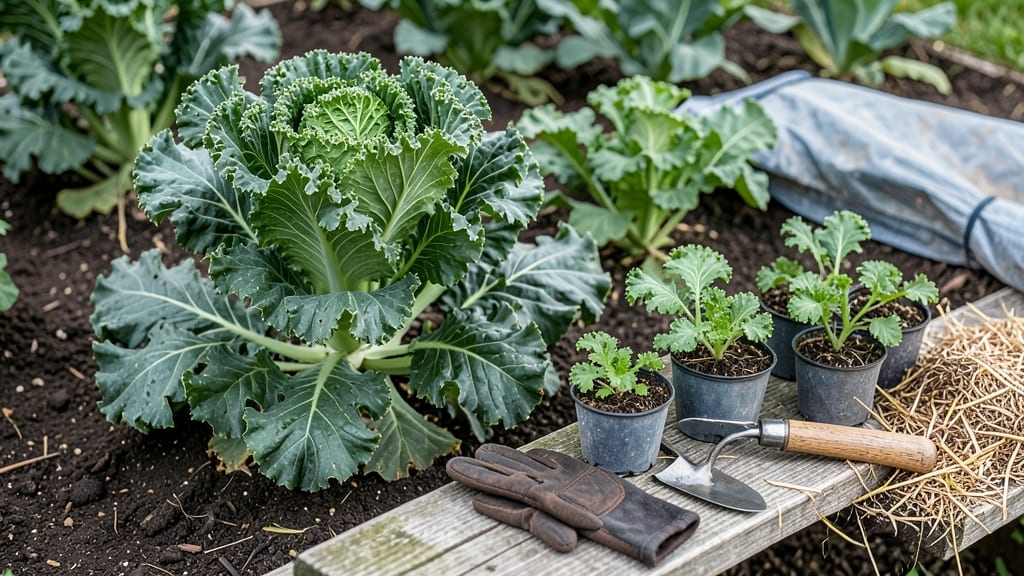
Planting a fall garden in Central Texas starts mid-August—just as summer’s brutal heat begins to ease, but before the first frost threatens your harvest.
Central Texas summers are brutal, but with the right timing and heat-tolerant crops, you can still enjoy a thriving 🥬 garden—here’s exactly when and how to start planting for maximum harvest success.
Most gardeners in USDA Zone 8a wait until late summer, but planting too late risks stunted growth before the first frost hits around November 15. The key is choosing crops that thrive in the lingering heat while preparing for cooler nights.
Below, I’ll walk you through the ideal planting window, the best heat-tolerant vegetables for Central Texas, and pro tips to beat the heat and avoid common mistakes that kill fall gardens.
Optimal planting dates for fall vegetables in Central Texas heat zones
Central Texas gardeners know the struggle—scorching summers make it tough to think about planting anything, but fall gardens are absolutely possible with the right timing.
The key lies in understanding your USDA heat zone (8a-9a) and aligning planting dates with soil temperature thresholds and first frost dates (typically November 15 in most areas).
Unlike northern climates, Central Texas offers a unique advantage: longer growing seasons and warmer fall temperatures. This means you can plant heat-tolerant crops like okra and sweet potatoes as early as mid-August, while cool-season vegetables like broccoli and kale should wait until mid-September to avoid summer heat stress.
Here’s the game-changer: soil temperature matters more than air temperature. Most cool-season crops thrive when soil temps drop below 80°F, while heat-tolerant varieties can handle 90°F+ soils. Use a soil thermometer to check before planting—this is your secret weapon for success.
🌱 Central Texas Fall Planting Schedule
| Crop Type | Best Planting Window | Soil Temp Threshold | Days to Harvest | Notes |
|---|---|---|---|---|
| Heat-Tolerant Crops | Mid-August to Early September | 80°F–95°F | 60–120 days | Okra, sweet potatoes, black-eyed peas, cowpeas |
| Cool-Season Crops | Mid-September to Early October | Below 80°F | 30–90 days | Broccoli, kale, lettuce, spinach, carrots, beets |
| Transplants (Seedlings) | Late August to Mid-October | 70°F–85°F | Varies by plant | Tomatoes, peppers, cabbage (buy hardened-off seedlings) |
| Direct Sowing (Seeds) | Early September to Mid-October | Below 80°F | 45–75 days | Radishes, turnips, arugula, bush beans |
📅 First Frost Date: November 15 (varies by microclimate)
Why this timing? Heat-tolerant crops like okra and sweet potatoes need 60–120 days to mature, so planting them in mid-August ensures they’re ready for harvest before the first frost.
Meanwhile, cool-season crops like broccoli and kale can handle brisk fall temperatures and even light frosts, making them perfect for mid-September starts.
Pro tip: Extend your season by using row covers or cold frames for delicate crops like lettuce. These tools can push harvests into December or even January in sheltered microclimates. Just remember—avoid planting too early (e.g., tomatoes in July) or your seedlings will bolt or wilt under 100°F+ heat.
Soil prep is non-negotiable. Before planting, amend your beds with compost and aged manure to improve drainage and fertility. Central Texas soils can be clay-heavy, so adding organic matter helps roots establish faster in the warmer fall soils.
Aim for a pH of 6.0–7.0—most vegetables thrive in this range.
Don’t forget about succession planting! For crops like radishes or bush beans, sow new seeds every 2–3 weeks after your initial planting. This ensures a continuous harvest and maximizes your garden space.
For example, plant a first batch of radishes in early September, then follow up with another in mid-September.
Watch for heat stress signs in young seedlings, like yellowing leaves or wilting, even if soil temps seem ideal. If nights stay above 80°F, consider shade cloth (30–50% coverage) to protect tender transplants.
This is especially critical for leafy greens like spinach or lettuce, which can bolt prematurely in residual summer heat.
Finally, mark your calendar for November 1—this is your last call for planting fast-maturing crops like turnips or arugula. Anything planted after this risks not reaching maturity before the first frost.
But don’t worry—even if a light frost hits, many cool-season crops (like kale or collards) taste sweeter after frost!
Best heat-tolerant crops to plant now for fall harvests in Central Texas
Central Texas summers can linger well into fall, but that doesn't mean your garden has to suffer. Heat-tolerant crops like okra, sweet potatoes, and black-eyed peas thrive even as temperatures stay warm.
These varieties not only survive but also produce abundant harvests when planted at the right time—typically between mid-August and early September.
Unlike cool-season crops that bolt in the heat, these fall-friendly vegetables handle Central Texas's 90°F+ days with ease. They're perfect for extending your growing season and ensuring fresh produce long after summer's end. The key? Direct sowing in warm soil and consistent moisture to keep roots cool.
🌱 Heat-Tolerant Crops for Central Texas Fall Gardens
Okra
- Pros: Thrives in 95°F+ heat, fast-growing (60-65 days), versatile in cooking
- Cons: Needs deep soil to prevent bolting, can attract pests like aphids
Sweet Potatoes
- Pros: Drought-resistant, stores well, edible leaves and roots
- Cons: Requires long growing season (90-120 days), vulnerable to wireworms
Black-Eyed Peas
- Pros: Nitrogen-fixing, tolerates poor soil, dual harvest (pods + leaves)
- Cons: Needs consistent moisture, susceptible to powdery mildew in humidity
Southern Peas (Cowpeas)
- Pros: Heat-loving, fixes nitrogen, drought-tolerant once established
- Cons: Short harvest window (45-60 days), attracts beetles
For companion planting, pair these heat-lovers with basil or marigolds to deter pests naturally. Basil, in particular, thrives in the same conditions as okra and sweet potatoes while repelling mosquitoes—a win-win for Central Texas gardens. Marigolds act as a living mulch, suppressing weeds and attracting beneficial insects.
Don't overlook collard greens and turnips—they handle late-summer heat better than most leafy greens. Start seeds in late August for a harvest just before the first frost. These cool-season crops benefit from the residual warmth while preparing for cooler temperatures, giving you a two-season advantage.
Water deeply in the early morning to reduce evaporation and fungal risks. Use mulch (straw or wood chips) to retain moisture and keep roots cool. Avoid overhead watering in the evening, as it can promote disease in warm, humid conditions typical of Central Texas falls.
With these heat-tolerant crops and smart planting strategies, you'll enjoy a productive garden well into November or December. The key is starting now—before the first cool fronts arrive—to give your plants time to establish strong roots before temperatures drop.