
Planting
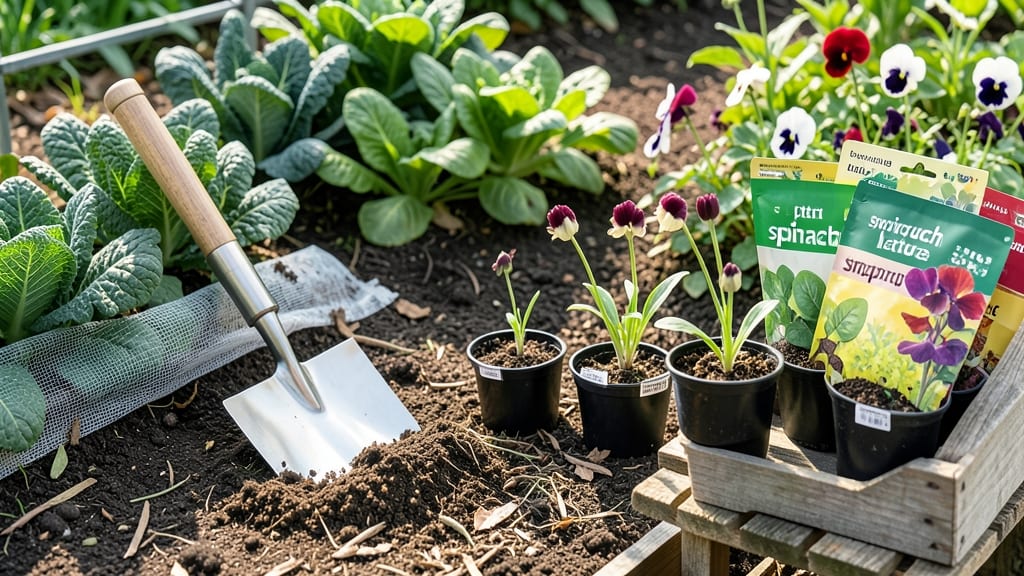
Planting your garden in Upstate New York at the right time means the difference between a bountiful harvest and a sad pile of frost-killed seedlings.
Upstate New York’s unpredictable frost dates can make or break your garden—plant too early, and your seedlings freeze; too late, and you miss the growing season. But with the right timing, you can maximize yields from tomatoes to zucchini, no matter which planting zone you're in.
In USDA Zones 5b-6a, the last frost typically arrives around mid-April, but that doesn’t mean you should rush. Soil temperature and microclimates play a huge role—some years, a late frost hits in May, while others, you’re safe to plant by early April.
Below, I’ll break down the exact planting windows for spring and fall, the best crops for each month, and how to adjust for your specific zone—so you can finally stop guessing and start growing with confidence.
Upstate NY frost-free dates by planting Zone: what you need to know
Upstate New York spans USDA Planting Zones 4-6, where frost dates can shift dramatically between years. In Zone 4 (northern regions like Plattsburgh), the average last frost arrives around May 15, while Zone 6a (southern areas like Albany) typically sees frost-free conditions by April 25.
These dates determine whether your tomatoes or peppers thrive—or get nipped in the bud.
First-time gardeners often assume their entire region follows one schedule, but microclimates—like south-facing slopes or urban heat islands—can push frost dates 1-2 weeks earlier in some spots.
For example, Syracuse (Zone 5b) might see its last frost on May 1, while a nearby valley could delay it until May 10. Always check local records or use Almanac frost calculators for precision.
For 2024 projections, early varieties like spinach and peas can often go in by late March in Zone 6, but heat-lovers such as eggplant and cucumbers shouldn’t hit the soil until after May 20 in Zone 4.
I’ve seen false springs trick gardeners into planting too soon—only to hit a late-April freeze that wipes out seedlings. Patience pays off!
| Zone | Last Frost Date | First Frost Date | Frost-Free Days | Early Planting Window | Late Planting Window |
|---|---|---|---|---|---|
| Zone 4 | May 15 | October 10 | 148 days | April 1 (hardy crops) | July 15 (fast growers) |
| Zone 5a | May 1 | October 5 | 157 days | March 20 (cold-hardy) | July 30 (short-season) |
| Zone 5b | April 25 | October 15 | 173 days | March 1 (peas, spinach) | August 1 (succession) |
| Zone 6a | April 15 | October 20 | 188 days | February 28 (greenhouses) | September 1 (fall crops) |
Understanding these frost-free windows helps you plan for succession planting. For instance, in Zone 5b, you can sow lettuce every 2 weeks from March to July to ensure a steady harvest.
Meanwhile, Zone 4 gardeners should focus on fast-maturing varieties like bush beans (50 days) or radishes (25 days) to fit multiple harvests into the short season.
Herbs like parsley and cilantro are surprisingly cold-tolerant and can handle light frosts down to 20°F. I’ve grown kale successfully through November in Zone 5a by mulching heavily and protecting it with row covers.
For flowers, pansies and snapdragons often bloom well into May in Zone 6, while marigolds can handle late-summer plantings in all zones.
Don’t forget that soil temperature matters just as much as air temperature. For warm-season crops like tomatoes, wait until the soil reaches 60°F—usually 2
Best planting timeline for Upstate NY crops: from cool-season to heat-lovers
Upstate New York’s short growing season demands precision—planting too early risks frost damage, while waiting too long cuts harvests short. The key is matching crop types with their ideal planting windows, whether you're growing cool-season greens or heat-loving tomatoes.
With frost-free dates ranging from mid-April to October, timing is everything for maximizing your garden’s potential.
For container gardens or urban plots, you can stretch seasons slightly, but even then, knowing when to start seeds indoors or direct-sow outdoors is critical. I’ve broken down the month-by-month schedule for 15+ popular crops, including succession planting tips to keep your kitchen garden productive all summer long.
Let’s dive into the best times to plant in Upstate NY!
- 1 March-April (Cool-Season Crops): Plant spinach, kale, peas, and lettuce as soon as soil is workable. Hardy varieties tolerate light frosts.
- 2 Late April-Early May (Warm-Season Starters): Begin indoor seeds for tomatoes, peppers, and eggplants (6-8 weeks before last frost). Transplant outdoors after May 15.
- 3 May-June (Direct-Sow Heat-Lovers): Plant beans, corn, cucumbers, and squash after soil reaches 60°F+. Avoid transplant shock by hardening off seedlings.
- 4 June-July (Succession Planting): Sow bush beans, radishes, and lettuce every 2-3 weeks for continuous harvests. Replace bolted greens with shade-tolerant varieties.
- 5 August (Fall Prep): Start broccoli, cabbage, and carrots indoors or direct-sow in containers. Use row covers to protect young plants from late summer pests.
- 6 September-October (Hardy Fall Crops): Plant garlic, onions, and spinach for spring harvests. Extend tomato and pepper seasons with cold frames.
Pro tip: Use container gardening to grow peppers or herbs like basil—you can move pots to warmer microclimates (like near a south-facing wall) to extend their season. For succession planting, prioritize fast-growing crops like radishes or bush beans every 2-3 weeks to avoid gaps in your harvest.
Remember, Upstate NY’s microclimates vary—valleys stay cooler longer, while hilltops warm up faster. Always check your local frost-free date (typically May 15 for most areas) and adjust by 1-2 weeks if you’re in a cooler pocket.
With this timeline, you’ll avoid the common mistakes of planting too early or missing the boat on heat-lovers!
Start with cool-season crops in early spring, then transition to warm-season favorites as temperatures rise. By late summer, shift to fall-hardy varieties to squeeze every last harvest from your garden. Happy planting!