Plants
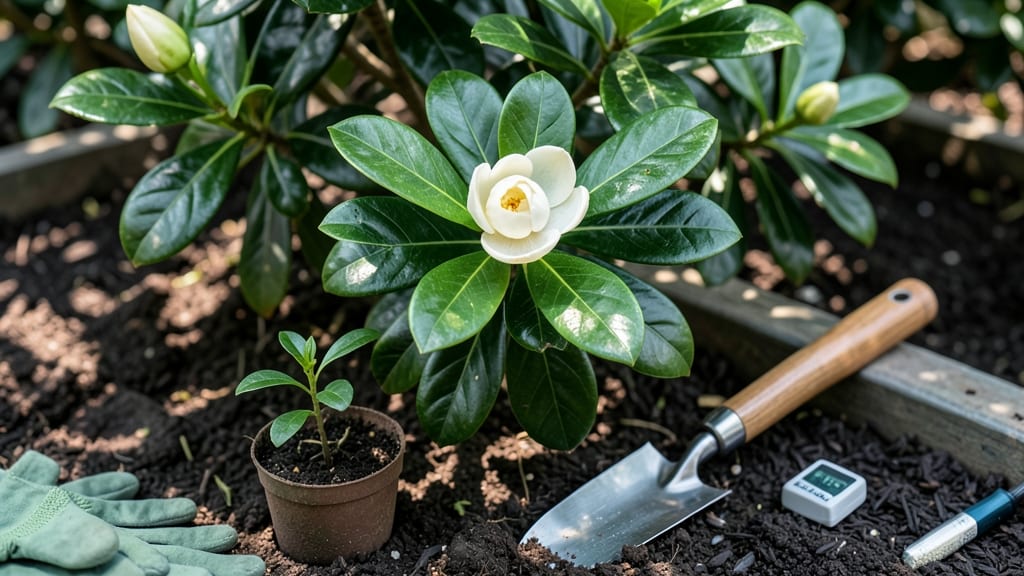
Plant gardenias in North Carolina after your last frost date — typically between mid-April and early May for most of the state, with coastal areas able to start slightly earlier.
North Carolina gardeners know the struggle of timing gardenia planting perfectly — get it wrong, and your fragrant blooms may never thrive. The difference between a lush, blooming gardenia 🌸 and a struggling shrub often comes down to understanding your specific frost-free window by zone.
Gardenias are sensitive to cold, so waiting until soil temperatures hit at least 60°F (around March-April) ensures strong root growth before summer heat arrives. In Zone 7a, like the Piedmont, you’ll need to wait a few weeks longer than coastal areas in Zone 8b.
Below, I’ll break down the exact planting windows by region, how to adjust for microclimates, and pro tips to keep your gardenias thriving all season long — no guesswork required.
North Carolina gardenia planting calendar by Zone 7a-8b: exact frost-free dates
Timing your gardenia planting in North Carolina can feel like solving a puzzle—especially when your state spans USDA Zones 7a to 8b with wildly different frost dates.
In Zone 7a (western mountains), your last frost might hit April 15, while Zone 8b (coastal areas) often sees frost-free conditions by March 1. Getting this wrong means stunted growth or even plant death, but nail it, and you’ll enjoy fragrant blooms all summer.
Gardenias thrive when planted after your average last frost date, but they also need warm soil (60°F+) to establish roots. Container-grown gardenias adapt better to cooler soils, giving you a 2-3 week window to plant earlier than in-ground varieties.
Let’s break down your exact planting calendar by zone, including microclimate adjustments for mountains, Piedmont, and coastal regions.
| Zone | Last Frost Date | Ideal Planting Window | Soil Temp Requirement | Microclimate Tip |
|---|---|---|---|---|
| 7a (Asheville, Boone) | April 15–May 1 | May 1–15 (in-ground) / April 15 (containers) | 60°F+ (test with soil thermometer) | Use black plastic mulch to warm soil faster |
| 7b (Charlotte, Greensboro) | April 1–15 | April 15–May 1 (in-ground) / April 1 (containers) | 60°F+ | Avoid low-lying areas—frost pockets delay planting |
| 8a (Raleigh, Fayetteville) | March 15–31 | March 20–April 15 | 55°F+ (faster rooting) | Coastal areas can plant earlier—monitor local forecasts |
| 8b (Wilmington, Outer Banks) | February 15–March 15 | February 20–March 31 | 50°F+ (containers only) | Use large containers for mobility if late frosts occur |
For Zone 7a gardeners, patience is key—rushing gardenias into cold soil causes root rot. Wait until May 1 for in-ground planting or use heat mats if you’re determined to plant earlier.
In Zone 8b, you can push the envelope and plant as early as February 20, but only if using containers with insulation.
Microclimates play a huge role in NC. If you’re in the mountains (Zone 7a), plant on south-facing slopes to capture warmth. Coastal gardeners in Zone 8b should watch for unpredictable late frosts—keep young plants near your home or garage for protection.
Even a single night below 32°F can damage new growth.
Container planting offers flexibility. Gardenias in pots can handle cooler soils and let you move them to sheltered spots if frost threatens. Just ensure your container has drainage holes and use a well-draining potting mix to prevent soggy roots.
I’ve had success with 5-gallon containers for young gardenias, moving them indoors before winter.
Don’t overlook fall planting for established gardenias. While spring is ideal, you can transplant bare-root gardenias in September (before October 15) to give roots time to settle before winter.
This works best in Zone 8a and 8b, where winters are milder. In Zone 7a, stick to spring planting—fall roots won’t survive harsh winters.
Use a soil thermometer to confirm readiness—gardenias won’t thrive until soil hits 60°F. In Zone 7a, this might not happen until late May, while Zone 8b soils often warm by
Signs your gardenia is ready for planting (and when to wait)
Timing is everything when planting gardenias in North Carolina, and your garden's microclimate plays a huge role. Unlike annuals, gardenias are perennial shrubs that need time to establish roots before facing summer heat or winter chill.
Look for these key indicators to know when your gardenia is truly ready for its new home.
First, check the soil temperature—it should consistently stay above 60°F (15°C) for at least a week. In NC’s Zone 7a-8b, this usually aligns with mid-April, but coastal areas may warm up earlier. Use a soil thermometer to confirm, as cold soil can shock delicate roots and delay blooming.
Next, examine the root development of your nursery-bought gardenia. Gently remove it from its container and check for a dense network of white roots. If roots are circling tightly or the plant is root-bound, it’s a sign it’s been waiting too long—time to plant!
Healthy roots should spread outward, indicating readiness to adapt to your garden’s conditions.
🌸Pro Tip: If you’re planting in containers, choose pots at least 18 inches wide to accommodate root growth. Gardenias in pots can be moved indoors during unexpected cold snaps, giving you more flexibility in timing.
Don’t overlook the bud formation—this is a clear signal your gardenia is eager to grow. Look for small, tight buds along the stems. If you see green buds forming but haven’t planted yet, wait a few more days to avoid stressing the plant during the transition.
Buds that open too soon may drop off if the plant isn’t fully established.
Finally, pay attention to local weather forecasts. NC’s spring weather can be unpredictable, with late frosts possible even after the average last frost date.
Use the National Weather Service’s frost prediction maps for your area and aim to plant at least 1-2 weeks after the forecasted last frost date to give your gardenia a buffer.
⚠️ callout-warning ⚠️
Many gardeners rush to plant gardenias in early March or even February, but this can be disastrous. Young gardenias planted too soon may suffer from root rot in cold, soggy soil or get fried by a late frost. In Zone 7a (western NC), wait until mid-April; in Zone 8b (coastal areas), early April is safer.
🌡️ Key Rule: Never plant gardenias when nighttime temperatures dip below 50°F (10°C). Use a frost blanket only if you’re pushing the limits—it’s better to wait a week than risk losing your plant.
One of the biggest mistakes I see is ignoring the plant’s overall health before transplanting. If your gardenia’s leaves are yellowing or wilting, it’s a red flag—this could mean it’s underwatered, overwatered, or stressed from being root-bound.
Before planting, give it a deep drink of water and trim any damaged leaves to reduce stress during the move.
For gardeners in cooler microclimates (like mountain regions in NC), consider starting gardenias in containers and keeping them in pots until late spring. This gives you the flexibility to move them indoors or under cover if frost threatens.
Once the risk of frost passes, transplant them to the ground for the season.
🌿 Remember, gardenias thrive on patience. If you’re unsure whether your gardenia is ready, err on the side of waiting.
A well-timed planting in late April or early May will give your shrub the best chance to establish roots, bloom beautifully, and reward you with that iconic, intoxicating fragrance all summer long.