
Fertilization
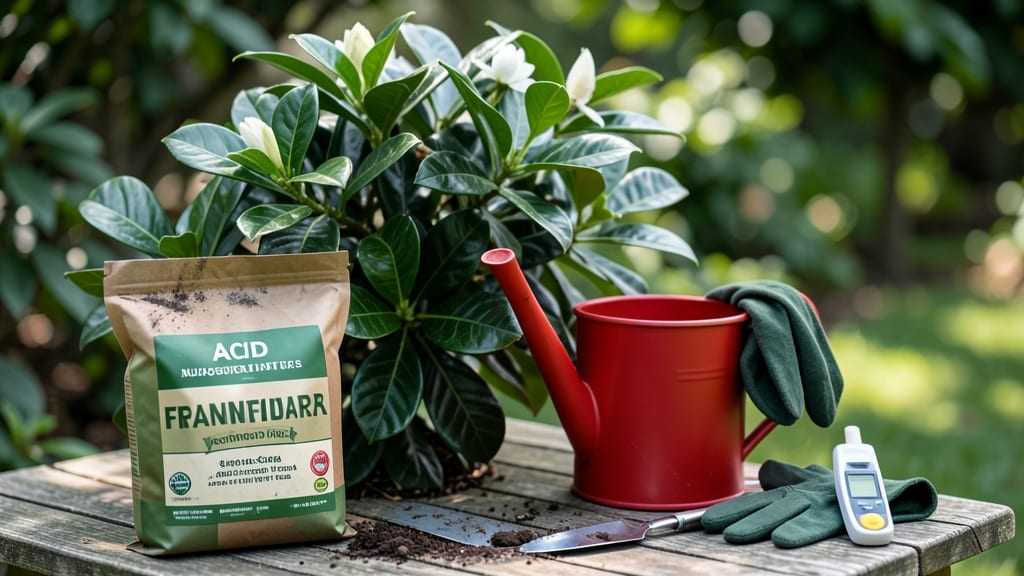
Using acid fertilizer for gardenias is the game-changer your blooms need to thrive 🌸—these fragrant shrubs demand soil pH between 5.0 and 6.0, and even a slight shift can stunt growth or kill flowers.
Picture this: your gardenias are planted just right, watered perfectly, yet they refuse to bloom. The culprit? Soil that’s too alkaline, blocking nutrient uptake. Without the right acid fertilizer, even the hardiest gardenia will struggle to absorb iron, phosphorus, and other essentials it craves.
In this guide, I’ll walk you through the best acid fertilizers (like sulfur or iron sulfate), how to test your soil’s pH, and the exact timing for feeding—so you can go from sparse buds to lush, fragrant blooms in no time.
You’ll also learn how to spot over-fertilization (yellow leaves, crispy edges) and the quick fixes to revive your plants before it’s too late.
How acid fertilizers lower soil pH for optimal gardenia growth
If your gardenias are struggling to bloom, the problem might be hiding in your soil's pH levels. These acid-loving plants thrive in soil with a pH between 4.5 and 5.5, and even a slight shift can stunt growth or prevent flowering.
Acid fertilizers work by gradually lowering soil pH, making essential nutrients like iron, manganese, and aluminum more accessible to your gardenia roots.
The science behind it is simple: acid fertilizers release hydrogen ions (H+) into the soil, which react with alkaline minerals like calcium carbonate.
This chemical reaction breaks down these minerals, reducing the soil's overall pH. For gardenias, this means better nutrient uptake and the energy needed to produce those fragrant white blooms you love.
| Acid Fertilizer Type | Key Benefits | Application Rate | Best For |
|---|---|---|---|
| Elemental Sulfur | Slow-release acidity; long-lasting effects | 1-2 lbs per 100 sq ft | Soil amendment (mix into top 6 inches) |
| Iron Sulfate | Fast-acting; provides iron for chlorosis | 1 tbsp per gallon of water | Foliar spray or soil drench |
| Peat Moss | td style="padding: 8px;">Improves soil structure; holds moisture2-3 inches mixed into soil | New plantings or soil renewal | |
| Aluminum Sulfate | Quick pH adjustment; high acidity | 1 oz per 10 sq ft | Emergency pH correction |
| Vinegar (DIY) | Fast but temporary solution | 1 tbsp per gallon of water | Quick fixes (use sparingly) |
Not all acid fertilizers work the same way. Elemental sulfur is my top recommendation for gardenias because it releases acidity slowly over time, giving you steady results without risking over-acidification.
It's especially useful if your soil is naturally alkaline. For faster results, iron sulfate is excellent—it not only lowers pH but also provides iron, which gardenias need for vibrant foliage.
When choosing an acid fertilizer, consider your gardenia's current health. If the leaves are yellowing (a sign of iron deficiency), iron sulfate is ideal. For general soil acidification, elemental sulfur or peat moss will work wonders.
Always test your soil's pH before applying any fertilizer to avoid making the problem worse.
The magic happens at the root level. Acid fertilizers create an optimal environment where gardenia roots can absorb micronutrients like manganese and zinc, which are crucial for flower production.
Without proper acidity, these nutrients become locked away in the soil, leaving your plants malnourished despite your best efforts to feed them.
One common mistake is assuming that more acid fertilizer equals better results. Over-acidifying soil can damage roots and cause nutrient deficiencies of its own. Aim for a pH between 4.5 and 5.5—this sweet spot ensures your gardenias get the nutrients they need without harming the soil ecosystem.
For best results, apply acid fertilizer in early spring when new growth begins. This gives the plant time to establish strong roots before the blooming season.
Reapply in early fall to prepare for winter dormancy. Always water thoroughly after application to help the fertilizer penetrate the soil and reach the roots.
Monitor your gardenia's response closely. Healthy plants will show dark green leaves, abundant new growth, and—most importantly—plentiful blooms. If you notice new yellowing or stunted growth after fertilizing, you may have overdone it.
In this case, mix in some lime to raise the pH slightly and restore balance.
Remember, the goal isn't just to lower pH—it's to create the perfect environment for your gardenias to thrive. With the right acid fertilizer and consistent care, you'll be rewarded with lush foliage and intoxicating fragrance that makes every gardening season worthwhile. 🌸
Step-by-step guide: applying acid fertilizer to gardenias for maximum blooms
Gardenias demand acidic soil to thrive, and without the right pH balance (5.0–6.0), your plants may struggle to bloom. The key is applying acid fertilizer at the right time—spring and fall—when your gardenias are most receptive to nutrient uptake.
Before you start, test your soil to avoid over-acidifying, which can damage roots. I’ll walk you through the entire process, from testing to application, so your gardenias reward you with lush foliage and fragrant blooms.
Start by testing your soil pH using a simple home pH kit or digital meter. Gardenias prefer a pH between 5.0 and 6.0; if your soil reads higher, it’s time to acidify.
You can use commercial acid fertilizers like iron sulfate or sulfur-based products, or opt for DIY solutions like coffee grounds or vinegar for a quick fix. Whichever method you choose, timing and dosage are critical to avoid burning your plants or stunting growth.
Use a pH test kit to check soil acidity. Aim for 5.0–6.0. If higher, acidify gradually.
Liquid: Mix 1 tbsp acid fertilizer per gallon of water. Granular: Apply 1–2 tbsp per plant and water in.
Fertilize early spring (after last frost) or late fall (6 weeks before first frost) for best results.
After applying, water deeply to help nutrients reach roots. Avoid overwatering to prevent root rot.
Retest soil 4–6 weeks later. If pH is still high, reapply fertilizer or use DIY acidifiers like coffee grounds.
For a quick DIY fix, mix 1 cup of coffee grounds into the soil around your gardenia’s base. Coffee grounds are slightly acidic and provide organic matter, but they won’t last as long as commercial fertilizers.
Another option is a vinegar solution—mix 1 part white vinegar with 3 parts water and apply lightly to the soil. However, vinegar can be too harsh if overused, so use it sparingly and monitor your plant’s response.
After fertilizing, keep an eye out for signs of improved health, like darker green leaves and more buds. If your gardenia still looks lackluster, check for other issues like overwatering or pest damage.
With the right acid fertilizer routine, your gardenias will thrive and bloom beautifully year after year.
Remember, consistency is key. Stick to your spring and fall schedule, and your gardenias will thank you with abundant, fragrant flowers that brighten up your garden. Happy gardening! 🌸