
Planting
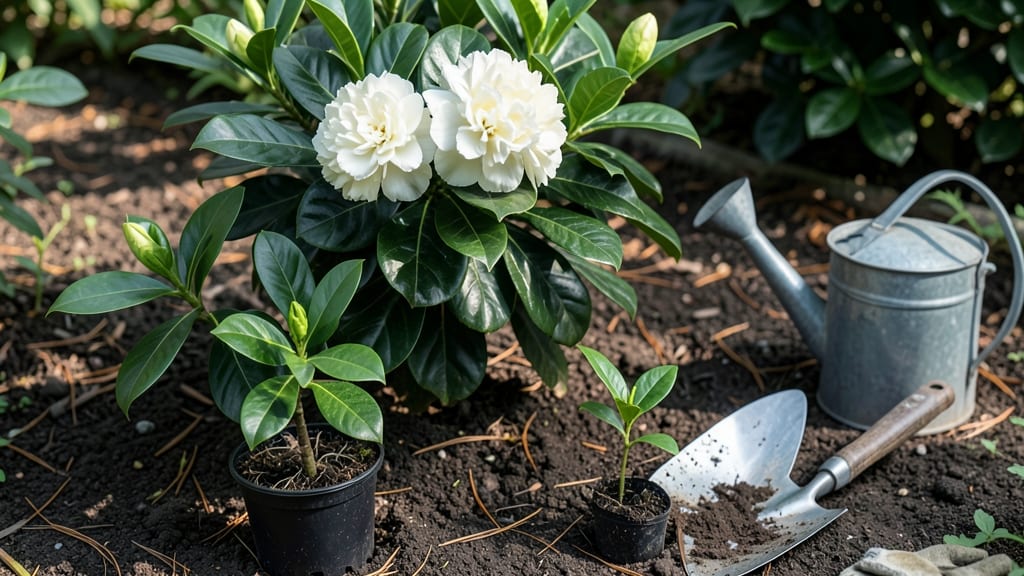
The best time to plant gardenias is after your last frost in spring—typically April to May for most regions—to give roots time to establish before summer’s heat hits.
If you’ve ever dreamed of filling your garden with intoxicating gardenia blooms—only to watch them struggle in the heat—timing is everything. Planting gardenias at the wrong time can mean wilting leaves, sparse flowers, and years of disappointment.
Southern gardeners know the secret: gardenias 🌸 thrive when planted in cool soil (60–70°F) and avoid the stress of peak summer heat. That means waiting until late spring or even early summer in hotter zones like 9–10.
Below, I’ll break down the exact planting windows by climate, soil prep tricks, and how to keep your gardenia blooming like a pro—no matter where you live.

Southern gardenia planting calendar: month-by-month heat tolerance guide
Timing your gardenia planting in the South isn’t just about avoiding frost—it’s about beating the brutal summer heat and giving roots time to establish before the real humidity hits.
In USDA Zones 7-10, the difference between a thriving shrub and a struggling one often comes down to planting in the right 4-6 week window when temperatures stay mild. Let’s break it down by month so you can plant with confidence.
Gardenia roots are sensitive to extreme heat stress and soil compaction from heavy summer rains. The ideal window focuses on spring planting after last frost (typically March–May) when soil temperatures hover between 60–75°F.
This gives your plant 3–4 months of root growth before the dog days of summer test its resilience.
🌱
For bare-root gardenias, the April planting window is non-negotiable in most Southern zones. These plants need 6–8 weeks of root recovery before summer’s intensity kicks in.
If you’re planting in containers, you’ve got slightly more flexibility—June is possible with daily shade cloth and morning watering, but expect slower growth.
One critical mistake I see is planting gardenias in peak summer (July–August). The combination of heat and humidity creates the perfect storm for root rot and transplant shock.
Even if you buy a potted gardenia in summer, it’s already stressed—so give it extra shade and weekly deep watering to survive.
🌿
If you’re in Zone 10, you can push planting to late March or early September, but avoid June–August entirely. The 90°F+ soil temperatures in these months can cook the roots before they even establish.
Instead, focus on soil prep in winter—amend with peat moss or sulfur to lower pH to 5.0–6.0—so your gardenia hits the ground running in spring.
Pro tip: Test your soil’s moisture before planting. Stick your
Signs you’re planting gardenias at the wrong time (and how to fix it)
Your gardenias might be sending SOS signals if you planted them outside the optimal window of April-May. Yellowing leaves, stunted growth, or no blooms often mean your timing was off. Even in USDA Zones 7-10, planting too early or late can stress these heat-loving shrubs.
One of the biggest red flags is leaf scorch—crispy edges appearing in peak summer heat. This happens when gardenias struggle to establish roots during high-stress months like July or August. Another clue? Bud drop before flowers even open, signaling transplant shock from late-season planting.
⚠️ WARNING: Planting Gardenias at the Wrong Time
❌ Peak Summer (June-August): Roots can’t establish in 90°F+ heat. Fix: Move potted gardenias to shade and water daily until temperatures drop.
❌ Late Fall (October-November): Frost-sensitive roots risk freeze damage before winter. Fix: Plant in containers and overwinter indoors if frost is forecasted.
❌ Winter (December-February): Dormant plants won’t thrive. Fix: Wait until soil warms to 60°F+ (usually March-April) for bare-root planting.
✅ Ideal Window: April-May (after last frost) for Zone 7-10. March works in Zone 10 with acidic soil prep.
If your gardenias show pale or yellow leaves, they may be nutrient-deficient from poor soil conditions during transplant. Amend soil with peat moss or sulfur to lower pH to 5.0-6.0. For stunted growth, check root health—healthy roots should be white and firm, not brown or mushy.
No blooms? Your timing might be off. Gardenias need 6-8 months to mature after planting before flowering. If planted in late summer, they may not bloom until the following year. Prune lightly in early spring to encourage new growth and flowering.
For late starts, try container planting—it gives roots more control over moisture and temperature. Use a well-draining mix with perlite and keep soil consistently moist. Mulch heavily with pine bark to protect roots from temperature swings.
Remember: Gardenias hate stress. The key to revival is patience and consistency. Adjust watering, fertilize lightly with acid-loving blends, and give them partial shade until they recover. With the right timing, your gardenias will reward you with fragrant blooms for years to come! 🌸