Watering
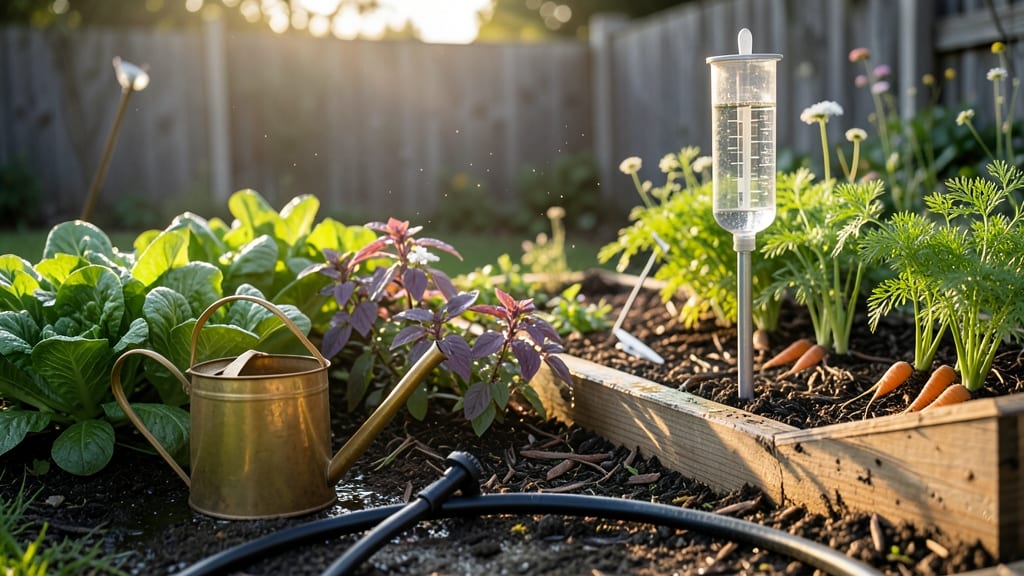
Watering your vegetable garden at the right time is the secret weapon for bigger harvests and less wasted effort.
Watering your vegetable garden at the wrong time can waste water, invite pests, and even stunt plant growth—so timing isn’t just a detail, it’s a game-changer for your harvest. I’ve seen firsthand how a simple shift from evening to morning watering transformed my 🥬 garden from struggling to thriving.
Morning watering works with nature, not against it: cooler air means less evaporation, and leaves dry faster, cutting down on fungal diseases. Plus, it’s the most efficient way to deliver water right when your plants need it most—before the heat of the day kicks in.
In this guide, I’ll break down the science behind morning watering, share pro tips for different veggies, and give you backup strategies if mornings just don’t work for you. Let’s make every drop count!
Why morning watering maximizes plant health and saves water
Watering your vegetable garden in the morning isn’t just tradition—it’s backed by science. When you water before 10 AM, you take advantage of cooler temperatures and lower wind speeds, which drastically reduce water loss from evaporation.
This means your plants get the hydration they need with less waste, aligning perfectly with zero-waste gardening principles.
Morning watering also helps prevent fungal diseases like powdery mildew or blight. Wet foliage left overnight creates a damp environment where spores thrive. By letting leaves dry quickly in the morning sun, you’re creating an inhospitable environment for these pests, keeping your tomatoes and cucumbers healthier and more productive.
Another key benefit is soil moisture retention. When you water in the morning, the moisture penetrates deeply into the soil, where plant roots can access it throughout the day. This is especially critical during hot summer months when water evaporates rapidly.
Deep watering in the morning ensures your carrots and peppers develop strong root systems and stay resilient against drought.
Let’s break down the optimal morning watering schedule and how it benefits different stages of plant growth. The table below compares morning watering to other times of day, highlighting why it’s the gold standard for vegetable gardens.
Beyond the science, morning watering also reduces your water bill by up to 30%. When you water in the heat of the day, up to 50% of the water can evaporate before it even reaches the roots.
By shifting to morning watering, you’re not just saving water—you’re also saving money and reducing your garden’s environmental footprint.
For zero-waste gardening, morning watering pairs perfectly with other sustainable practices like mulching and drip irrigation. Mulch acts as a protective layer, slowing evaporation and keeping the soil cool. Combined with morning watering, this duo ensures your lettuce and spinach stay hydrated without wasting a drop.
Another often-overlooked benefit is pest deterrence. Many garden pests, like slugs and snails, are most active at night when the soil is damp. By watering in the morning, you’re reducing their habitat, making your garden less inviting to these unwanted visitors.
This natural deterrent means fewer damaged leaves and healthier plants overall.
If you’re growing water-intensive crops like corn or squash, morning watering becomes even more critical. These plants have deep root systems that need consistent moisture to thrive.
Watering in the morning ensures the water reaches these roots before the day’s heat causes evaporation, leading to 30-40% larger yields compared to other watering times.
For beginners, the easiest way to adopt morning watering is to set a reminder on your phone or use a smart irrigation timer. Even just 15 minutes of watering in the morning can make a world of difference.
Over time, you’ll notice your plants are taller, greener, and more resilient to pests and diseases.
So next time you reach for your watering can, ask yourself: Is it morning yet? Your vegetable garden—and the planet—will thank you for the thoughtful timing. 🌱
Best morning watering techniques for different vegetable types
Morning watering transforms your vegetable garden by ensuring roots get the hydration they need without wasting precious water to evaporation. For leafy greens like spinach and kale, a light mist spray between 6-9 AM keeps foliage crisp while preventing fungal diseases.
These plants thrive with shallow, frequent moisture since their roots are near the surface.
Root vegetables such as carrots and beets require a different approach. Instead of misting, use a soaker hose or drip irrigation to deliver water directly to the soil. Aim for deep watering—about 1-2 inches per week—to encourage roots to grow deeper and access moisture stored below the surface.
Fruiting plants like tomatoes and peppers need consistent moisture but hate soggy soil. Water at the base of the plant in the morning to avoid wetting leaves, which can lead to blossom end rot in tomatoes. A 5-minute deep watering session every morning ensures steady growth without over-saturating the soil.
Morning Watering Pros & Cons
Leafy Greens
- Pros: Light misting prevents bolting
- Cons: Requires frequent monitoring
Root Vegetables
- Pros: Encourages deep root growth
- Cons: Overwatering causes rot
Fruiting Plants
- Pros: Reduces fungal diseases
- Cons: Needs precise timing
Check soil moisture daily by inserting your finger 1-2 inches deep. If it feels dry, it's time to water. For potted plants, water until excess drains from the bottom.
To avoid overwatering, watch for yellowing leaves or mushy stems, which signal excess moisture. Underwatering shows as wilted foliage that doesn’t bounce back after a drink. Adjust your watering schedule based on weather forecasts—hotter days may require extra hydration, while rainy days call for a pause.
For container gardens, morning watering is even more critical since pots dry out faster. Use a moisture meter to track soil conditions and opt for self-watering containers if you travel frequently. Mulching with straw or shredded leaves helps retain moisture and reduces evaporation.
Remember, the key to morning watering is consistency. Stick to a routine, and your vegetables will reward you with healthier growth, better flavor, and higher yields all season long. 🌱💧