
Fertilization
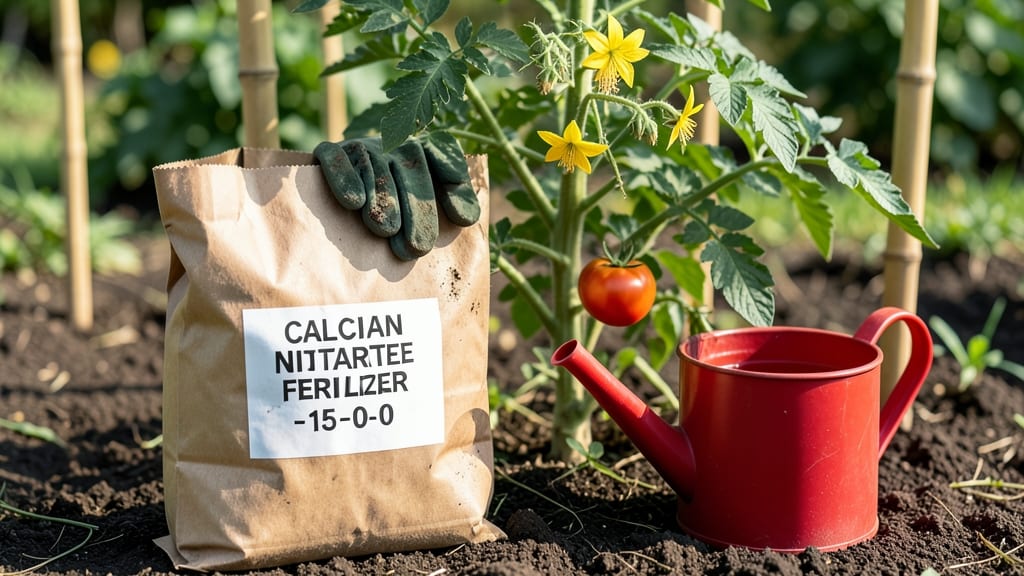
Garden tomatoes need calcium to prevent blossom-end rot and keep your plants thriving 🍅 — and the right sources can turn around this problem fast.
If your tomato plants are showing brown, leathery spots at the blossom end, you’re likely dealing with blossom-end rot—a frustrating but fixable calcium deficiency. The good news? You can often reverse this damage within 48 hours with the right calcium treatment, saving your crop and your sanity.
Calcium isn’t just about fixing rot—it’s the backbone of strong cell walls, helping tomatoes grow firm and healthy. Without enough, your plants struggle, leading to stunted growth and poor fruit quality.
But don’t worry; whether you’re using crushed eggshells, lime, or synthetic options, there’s a solution that fits your gardening style.
In this guide, I’ll walk you through the fastest ways to boost calcium levels, how to spot deficiency early, and long-term tips to keep your tomatoes strong. Let’s get your plants back on track!
Why calcium deficiency causes blossom end rot in tomatoes
Calcium is the unsung hero of your tomato plants—it strengthens cell walls, supports root growth, and ensures your fruits develop properly. When your tomatoes show those dreaded brown, leathery spots at the blossom end, it’s a clear sign your plants are starving for this essential mineral.
Blossom end rot isn’t just cosmetic; it can ruin entire harvests if ignored. The good news? Understanding how calcium works in your plants is the first step to fixing this issue for good.
Tomato plants need calcium for cell wall stability, especially during rapid growth phases like fruiting. Without enough calcium, the youngest tissues—like the blossom end of your tomatoes—suffer first because they’re the last to receive nutrients. This deficiency creates weak spots in the fruit’s skin, making it prone to rot.
But calcium’s role doesn’t stop there—it also helps with nutrient uptake, root development, and even disease resistance. When your soil lacks calcium, your plants can’t perform these critical functions, leading to a cascade of problems.
Soil pH plays a huge role in calcium availability. Tomatoes thrive in slightly acidic to neutral soil (pH 6.0–7.0). If your soil is too alkaline (pH above 7.0), calcium becomes locked in the soil and unavailable to your plants.
Even if you add calcium-rich amendments, the pH imbalance can prevent your tomatoes from absorbing it. This is why testing your soil’s pH before adding calcium is a game-changer—it ensures your amendments actually reach your plants’ roots.
Your watering habits also impact calcium uptake. Tomatoes need consistent moisture, but uneven watering—like deep watering followed by drought—can cause calcium deficiency. When soil moisture fluctuates, calcium can’t move efficiently through the plant’s vascular system.
This is why drip irrigation or soaker hoses are ideal for tomatoes; they deliver water slowly and evenly, helping calcium reach the blossom end before the fruit sets.
Weather conditions, especially extreme heat or drought stress, can trigger blossom end rot even in well-amended soil. When temperatures soar, calcium uptake slows down, and your plants can’t keep up with the demand for fruit development.
This is why mulching your tomato plants with straw or wood chips helps—it retains moisture and keeps roots cool, creating the perfect environment for calcium absorption.
Here’s the science behind how calcium deficiency leads to blossom end rot:
| Calcium's Role in Tomatoes | Deficiency Signs | Affected Plant Part |
|---|---|---|
| Strengthens cell walls | Blossom end rot (brown, leathery spots) | Fruit (youngest tissue) |
| Supports root growth | Stunted root development | Roots |
| Enhances nutrient uptake | Yellowing leaves (older leaves first) | Leaves |
| Prevents disease | Increased susceptibility to fungal infections | Stems and leaves |
| Improves fruit quality | Cracked or misshapen fruit | Fruit |
One of the biggest misconceptions about calcium deficiency is that it’s solely about adding more calcium to the soil. While calcium amendments like gypsum or crushed eggshells help, they won’t work if your soil pH is off or your watering is inconsistent.
For example, if your soil pH is 7.5, adding calcium won’t help—your plants can’t absorb it. This is why a soil test kit (available for under $20) is a must before treating blossom end rot.
Even if you’ve added calcium, other nutrients can compete for uptake. High nitrogen levels, for instance, can outcompete calcium, leading to deficiency symptoms even in well-amended soil. This is why a balanced fertilizer (like 5-10-10) is ideal for tomatoes—it provides nitrogen without starving your plants of calcium.
Always follow the NPK ratio recommendations for your specific tomato variety to avoid nutrient imbalances.
Preventing blossom end rot starts with understanding your soil’s calcium availability. If your tomatoes are already showing signs of deficiency, don’t panic—you can often reverse the damage within 48 hours by applying a calcium-rich foliar spray (like calcium nitrate) and adjusting your watering routine.
The key is acting fast and addressing the root cause, whether it’s soil pH, watering habits, or nutrient competition.
Remember, calcium isn’t just about fixing problems—it’s about setting your tomato plants up for success. By monitoring your soil pH, watering consistently, and using organic or synthetic calcium sources, you’ll give your tomatoes the strong foundation they need to thrive.
Next time you see those first signs of blossom end rot, you’ll know exactly how to turn things around—before it’s too late. 🌱
Fastest calcium treatments to fix blossom end rot in 48 hours
When your tomato plants develop blossom end rot, calcium deficiency is usually the culprit. The good news? You can often stop the rot and save your fruit within 48 hours using fast-acting calcium treatments.
The key is acting quickly and applying calcium directly where the plant needs it most—either through the roots or leaves. Let’s explore the fastest methods to restore calcium balance and prevent further damage.
Not all calcium sources work at the same speed or effectiveness. Some treatments provide immediate relief, while others require more time to show results. The best approach depends on your garden setup, available materials, and how severe the rot is.
Below, I’ll rank the fastest options based on speed of action and effectiveness for stopping blossom end rot.
Fastest acting (works in 6-12 hours), highly effective for severe rot. Mix 1 tbsp calcium nitrate in 1 gallon of water and spray leaves and stems in the early morning.
Works in 12-24 hours for root uptake. Dissolve 1 cup gypsum in 5 gallons of water and water the soil around the plant’s root zone deeply.
DIY remedy taking 24-48 hours to work. Soak crushed eggshells in water for 24 hours, strain, and water the soil. Best for prevention and mild cases.
Slower acting (48+ hours) but long-lasting. Mix 1 lb lime per 100 sq ft of soil and water thoroughly. Best for preventing future rot.
Indirect support (works in 36-72 hours). Mix 1 tbsp Epsom salt in 1 gallon of water and water the soil. Helps with magnesium deficiency, which can worsen calcium uptake.
For immediate results, prioritize calcium nitrate foliar sprays or gypsum soil drenches. These methods deliver calcium directly to where it’s needed most—either through the leaves or roots—within hours.
If you’re dealing with a mild case or prefer organic options, crushed eggshell tea is a great DIY alternative that still delivers results within 48 hours.
Remember, fixing blossom end rot isn’t just about applying calcium—it’s also about preventing future issues. After treating your plants, focus on maintaining consistent soil moisture and avoiding extreme pH fluctuations. Overwatering or drought stress can both trigger calcium deficiency, so aim for even moisture throughout the growing season.
Once you’ve applied your chosen calcium treatment, monitor your tomato plants closely over the next few days. Look for signs of improvement, such as new growth or firm, healthy fruit.
If the rot persists after 48 hours, consider retreating or testing your soil pH to rule out other issues like acidic soil or nutrient imbalances.
With the right approach, you can often save your tomato crop and enjoy a bountiful harvest. The key is acting fast and choosing the fastest calcium treatment for your specific situation. Happy gardening! 🌱