
Companion Plants
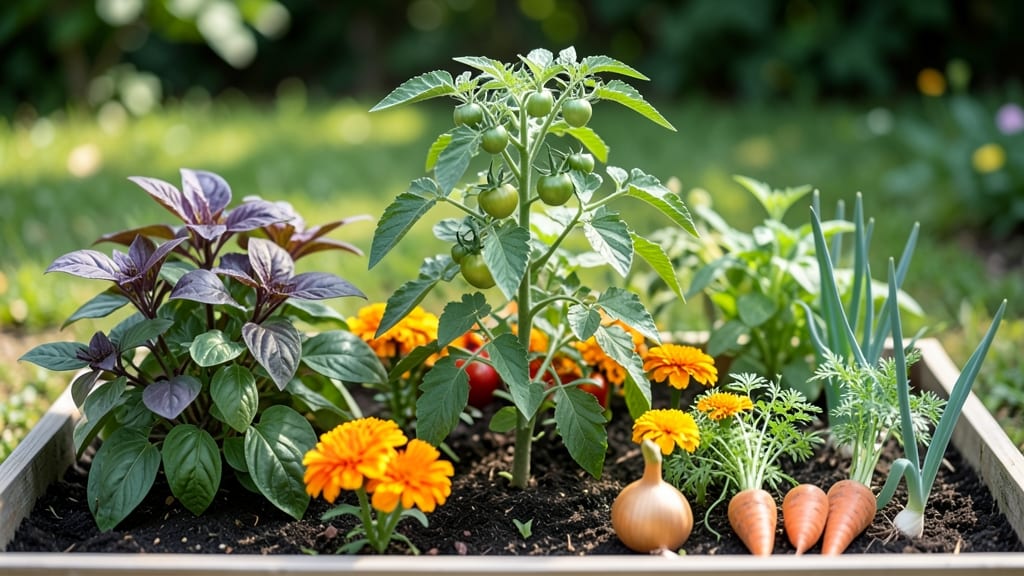
A companion garden layout is your secret weapon against pests while growing more food in less space—no chemicals required.
Struggling with pests ruining your garden? The secret to organic pest control might be hiding in your plant pairings—companion planting can slash insect damage by up to 70% while boosting yields. These strategic layouts work like nature’s pest-repellent system.
Imagine a garden where basil next to tomatoes keeps aphids away, marigolds deter nematodes, and nasturtiums protect cucumbers. These aren’t just random pairings—they’re science-backed combos that save you time, money, and frustration.
In this guide, I’ll walk you through three proven plant pairings, how to design a layout that maximizes pest control, and common mistakes to avoid—so you can grow a thriving, low-maintenance garden this year.
3 Science-backed companion plant pairings that repel pests naturally
If you're tired of battling aphids, whiteflies, or squash bugs in your garden, nature has a solution: strategic companion planting. These plant pairings work together to confuse pests, attract beneficial insects, and even improve soil health.
The best part? They're backed by science and work without chemicals. Let's explore three powerhouse combinations that will transform your garden into a pest-free paradise.
Why do these pairings work? The answer lies in scent masking, habitat disruption, and predator attraction. For example, strong-smelling herbs like basil can overwhelm the scents that pests use to locate their favorite plants.
Meanwhile, flowers like marigolds attract predatory wasps that hunt garden pests. This natural defense system creates a balanced ecosystem where your vegetables thrive while pests stay away.
Here’s a comparison-table of the top three companion plant pairings that repel pests naturally, including their mechanisms and ideal spacing:
| Plant Pairing | Pests Repelled | Mechanism | Spacing | Sunlight Needs |
|---|---|---|---|---|
| Basil + Tomatoes | <Whiteflies, aphids, tomato hornworms | Masks tomato scent; attracts predatory wasps | 12-18 inches apart | Full sun (6+ hours) |
| Marigolds + Vegetables (e.g., carrots, peppers) | Nematodes, squash bugs, rabbits | Releases alpha-terthienyl; attracts hoverflies | 12-18 inches apart | Full sun to partial shade |
| Nasturtiums + Cucumbers | Aphids, cucumber beetles, squash bugs | Traps aphids; repels beetles with peppery scent | 10-12 inches apart | Full sun to partial shade |
The basil-tomato duo is a classic for a reason. Basil’s strong aroma confuses whiteflies and aphids, while its presence attracts predatory wasps that hunt these pests. Plant basil around the base of your tomato plants, but avoid overcrowding—give each plant enough space to thrive.
This pairing also improves tomato flavor and yield, making it a win-win for your garden.
Marigolds are another pest-repelling powerhouse, especially when planted near vegetables like carrots or peppers. Their roots release a compound called alpha-terthienyl, which repels nematodes and other soil-dwelling pests.
Additionally, marigolds attract hoverflies, which prey on aphids and other soft-bodied insects. For best results, interplant marigolds every 12-18 inches around your vegetables.
Don’t overlook nasturtiums—they’re not just pretty flowers. These edible blooms act as a trap crop for aphids, luring them away from your cucumbers. Nasturtiums also repel cucumber beetles with their peppery scent, reducing damage to your plants.
Plant them in a border around your cucumber patch or intersperse them between rows for maximum protection.
To maximize these pairings, consider the height and growth habits of your plants. For example, tall tomatoes should be planted on the north side of your garden to avoid shading shorter basil plants. Similarly, marigolds can be used as a living mulch around low-growing vegetables like lettuce or radishes.
Always ensure each plant gets the right amount of sunlight and water to keep them healthy and productive.
One common mistake is assuming all companion plants work together. For instance, while basil and tomatoes are great partners, basil can stunt the growth of peppers and oregano if planted too closely.
Always research specific pairings before committing to a layout. Start small with one or two pairings, observe how they perform, and gradually expand your companion garden.
Ready to put these pairings to work? Begin by sketching a simple garden layout on paper, grouping compatible plants together. Use stakes or labels to mark planting spots, and keep a journal to track pest activity and plant health.
With these science-backed pairings, you’ll enjoy a thriving garden with fewer pests and more bountiful harvests.
How to design a companion garden layout for maximum pest control
Creating a companion garden layout isn’t just about aesthetics—it’s a strategic way to naturally repel pests while boosting plant health. The key lies in understanding how plants interact: some mask odors that attract pests, others attract beneficial predators, and a few even improve soil structure for their neighbors.
By arranging them thoughtfully, you’ll create a self-sustaining ecosystem that reduces your need for chemical interventions.
Start by grouping plants with complementary needs. For example, tall plants like sunflowers or corn should face north to avoid shading shorter varieties, while low-growing herbs like thyme or oregano can thrive under their canopies.
This vertical layering maximizes space while ensuring every plant gets the sunlight and airflow it needs to stay pest-resistant. Think of it as nature’s version of crop rotation—but in a single season!
🌱 Step-by-Step Companion Garden Layout Guide
- 📏 Step 1: Map Your Sun Exposure
Sketch your garden and note sunlight zones. Group sun-lovers (tomatoes, peppers) together and shade-tolerant plants (lettuce, spinach) where light filters through. - 🌿 Step 2: Arrange by Height
Place tallest plants (corn, sunflowers) on the north side to prevent shading. Add medium-height (bush beans, basil) in the middle, and low-growing (strawberries, carrots) at the front. - 🐝 Step 3: Interplant Pest Repellents
Weave in marigolds (deter nematodes), nasturtiums (trap aphids), and basil (confuses whiteflies) between vulnerable crops like cucumbers or squash. - 📐 Step 4: Space for Airflow
Leave 12–18 inches between plants to reduce humidity and discourage fungal pests. Overcrowding creates ideal conditions for slugs and powdery mildew. - 🌱 Step 5: Add Seasonal Adjustments
Rotate winter crops (kale, garlic) near summer plants to break pest cycles. Use cover crops like clover in off-seasons to starve weeds and attract pollinators.
Don’t forget to rotate your layout annually to prevent soil-borne pests from establishing strongholds. For example, if you grew tomatoes in bed A this year, swap them with beans or carrots next season—these families have different pest vulnerabilities.
This simple shift can cut down on soil fatigue and keep your garden thriving for decades.
Pro tip: Use stakes or trellises for vining plants like cucumbers or peas to lift them off the ground, reducing slug and snail access. This also opens up valuable ground space for more companion plants below.
For instance, interplant radishes (fast-growing) with cauliflower (slow-growing) to maximize every square inch while keeping pests at bay.
Finally, observe your garden’s microclimates—some areas may stay drier or wetter than others. Adjust your layout to account for these variations: drought-tolerant plants like rosemary in dry spots, and moisture-loving herbs like mint near a water source.
A well-planned companion garden isn’t just about repelling pests; it’s about creating harmony where every plant plays a role in the ecosystem’s success.