
Watering
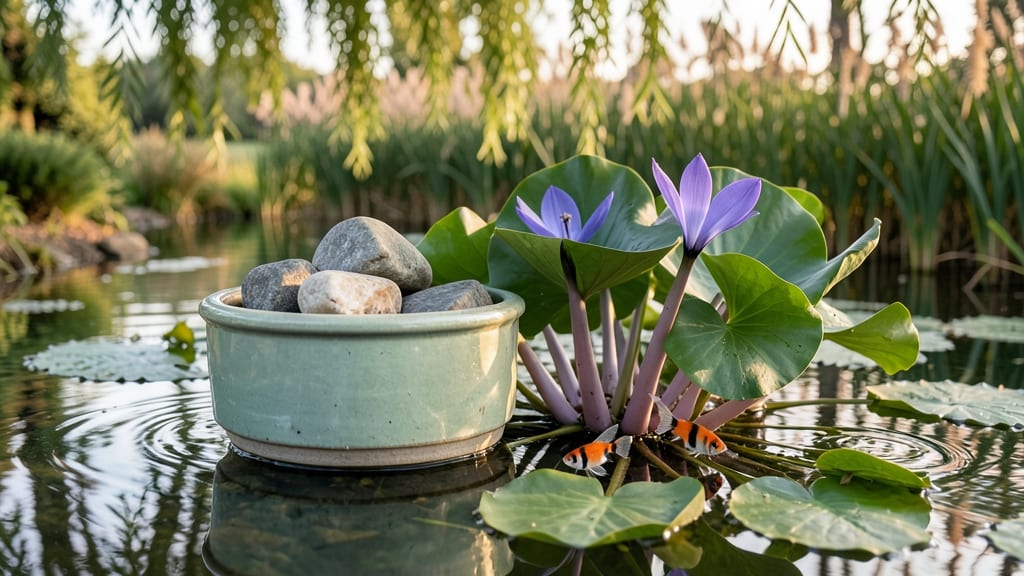
Growing container water garden plants turns even the smallest patio into a tranquil oasis 🌿 — no backyard or pond required.
Picture this: a tiny ceramic bowl on your balcony, filled with floating water hyacinths and a few hardy lilies, their roots dipping into just a few inches of water.
It’s not just possible; it’s low-maintenance and stunning. The secret? Choosing the right plants and containers that work together without the fuss of a full-scale aquatic garden.
You don’t need a green thumb or a sprawling yard to create this kind of magic. With the right setup, these plants thrive in small spaces, purify the water naturally, and even deter mosquitoes.
Plus, they grow faster than you’d expect—some varieties will fill out in just a few weeks, giving you instant gratification.
In this guide, I’ll walk you through the easiest plants to start with, how to pick the perfect container (yes, it matters!), and the simple care routine that keeps everything lush and healthy. Ready to dive in?
Best low-maintenance container water plants for beginners
Creating a tranquil water garden in containers is simpler than you might think. The key lies in selecting hardy, low-maintenance aquatic plants that thrive in small spaces. These plants not only add beauty but also create a balanced ecosystem with minimal effort.
For beginners, focusing on oxygenators, floating plants, and marginals ensures a healthy, self-sustaining water feature with little upkeep.
Container water gardens offer flexibility—you can place them on patios, balconies, or even indoors near windows. The right plants will adapt to your space while requiring only basic care like occasional pruning and nutrient-rich water.
Let’s explore the top low-maintenance options that will transform your container into a thriving aquatic haven.
One of the easiest plants to start with is the water hyacinth. This floating plant spreads quickly, providing shade for fish and improving water quality by absorbing excess nutrients.
It thrives in containers with just a few inches of water and requires almost no maintenance beyond occasional trimming to control its growth.
The dwarf water lily is another excellent choice for beginners. Its compact size makes it perfect for small containers, and its stunning blooms add a touch of elegance. Place it in 6-12 inches of water under full sun, and it will reward you with vibrant flowers throughout the growing season.
If you're looking for a plant that doubles as a natural water filter, hornwort is a fantastic option. This submerged plant grows rapidly and releases oxygen, making it ideal for fish tanks or small containers. It’s also drought-tolerant once established, requiring minimal attention beyond occasional pruning.
Pickerelweed brings bold color to your container garden with its striking purple spikes. This marginal plant grows at the water’s edge, making it perfect for shallow containers. It’s drought-resistant and low-maintenance, thriving in full sun with minimal care.
For a unique texture, consider parrot's feather. This feathery plant floats or grows submerged, adding movement and interest to your water garden. It’s incredibly hardy and requires no special care, making it ideal for beginners who want a low-fuss aquatic plant.
When selecting plants, always consider your container’s size and sunlight exposure. Most of these plants thrive in partial shade to full sun, but always check individual care requirements. With the right mix, your container water garden will become a self-sustaining ecosystem that’s both beautiful and easy to maintain.
Start small with just a few plants, and don’t forget to monitor water quality. A little effort in the beginning will pay off with a lush, thriving water garden that brings tranquility to your space. Happy planting! 🌿💧
How to choose the right container for your water garden plants
Selecting the perfect container for your water garden plants is just as important as choosing the right species. The wrong container can lead to root rot, poor growth, or even plant death.
Start by considering your space constraints and the specific needs of your aquatic plants—some thrive in shallow water while others prefer deeper roots.
Your container must balance aesthetics, functionality, and durability. Materials like plastic, ceramic, or fiberglass each offer unique benefits, and your choice will impact everything from water temperature regulation to maintenance ease. Let’s break down the key factors to help you make an informed decision.
Container Material Comparison
Plastic
- ✅ Lightweight and easy to move
- ✅ Affordable and widely available
- ✅ Insulates water to prevent rapid temperature changes
- ❌ Limited design options
- ❌ Can degrade under prolonged UV exposure
Ceramic
- ✅ Elegant and stylish for decorative gardens
- ✅ Durable and long-lasting
- ✅ Natural temperature regulation
- ❌ Heavy and difficult to move
- ❌ Can crack if frozen or dropped
Fiberglass
- ✅ UV-resistant and long-lasting
- ✅ Lightweight yet sturdy
- ✅ Customizable shapes for creative designs
- ❌ More expensive than plastic
- ❌ Limited color options
Next, prioritize container size based on your plant’s mature root system. A general rule is to provide at least 6-12 inches of water depth for submerged plants, while marginal plants (those growing at the water’s edge) need 3-6 inches of soil depth.
For example, a water lily may require a 12-inch-deep container, while a bog plant like a calla lily thrives in shallower water.
Never overlook drainage, even in water gardens. While your plants live in water, excess moisture trapped in the soil can lead to anaerobic conditions and root rot.
Ensure your container has drainage holes at the bottom, and use a layer of gravel or aquatic stones to create a natural filtration system. For floating plants like water hyacinth, drainage isn’t critical, but they still need a stable container to prevent overcrowding.
Finally, consider sunlight exposure when placing your container. Most aquatic plants need 6+ hours of direct sunlight daily, but some, like water lettuce, can tolerate partial shade. If your space is shady, opt for low-light-tolerant species such as anubias or java fern.
Position your container where it receives consistent light to avoid stunted growth or algae overgrowth.
With the right container, your water garden plants will thrive for years, adding beauty and tranquility to your space. Start small, observe your plants’ needs, and adjust as you go—your aquatic oasis will thank you! 🌿💧☀️