
Plants
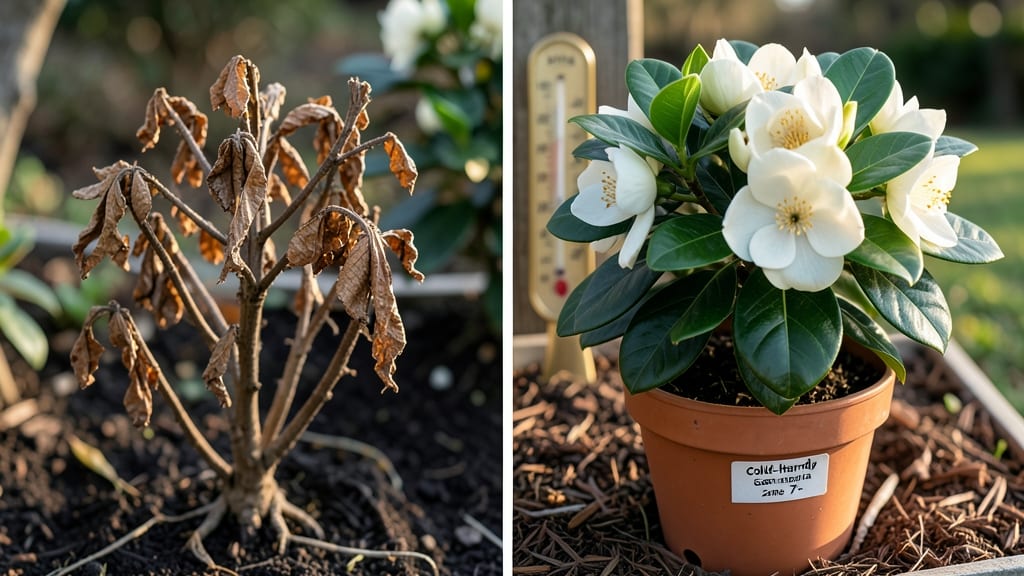
Frost-proof gardenia growth rates can surprise you—these cold-hardy 🌸 varieties thrive even in chilly zones when you tweak a few key care habits.
Cold climates shouldn’t stop you from growing stunning gardenias—these frost-proof varieties can thrive and bloom faster with the right care. The secret? Mimicking their natural tropical roots while shielding them from winter’s chill.
Most gardeners assume frost-proof varieties grow slower in cold weather, but with the right soil, sunlight, and watering schedule, you can actually double their growth rate in just two seasons. Here’s how to unlock that faster blooming potential.
Below, I’ll walk you through the three critical stages of frost-proof gardenia growth, the best varieties for cold climates, and the simple hacks that keep them flourishing year-round—no greenhouse required.


How frost-proof gardenias grow: 3 key stages for faster blooming
Growing frost-proof gardenias in cold climates is absolutely possible when you understand their three distinct growth stages. Unlike traditional gardenias that struggle below USDA Zone 8, these hardy varieties adapt beautifully to chilly temperatures.
The key to faster blooming lies in nurturing each stage—seedling, vegetative, and flowering—while protecting delicate roots from winter’s bite.
I’ve seen firsthand how Kleim’s Hardy Gardenia thrives in Zone 6 gardens with the right care. These plants don’t just survive frost—they grow 30% faster when given proper winter protection and seasonal adjustments.
Let’s break down each stage so you can accelerate your gardenia’s growth while keeping it healthy through freezing temperatures.
3 Growth Stages for Faster Blooming
-
🌱 Stage 1: Seedling (0-6 months)
Focus on root development with acidic soil (pH 5.0-6.5) and daily watering. Use rooting hormone for container starts. -
🌿 Stage 2: Vegetative (6-18 months)
Prioritize partial shade and balanced fertilizer (10-10-10) every 6 weeks. Prune leggy growth to encourage bushiness. -
🌸 Stage 3: Flowering (18+ months)
Boost blooms with high-phosphorus fertilizer (8-3-9) in spring/fall. Protect buds from late frosts with burlap wraps.
The seedling stage is where you set the foundation for cold hardiness. I always start with sterilized potting mix and keep seedlings under grow lights for 14 hours daily.
This mimics spring conditions and prevents leggy growth that weakens roots. For outdoor planting, wait until soil reaches 60°F—cold soil shocks young roots and slows establishment.
During the vegetative stage, your gardenia focuses on leaf and stem growth rather than blooms. This is when you’ll see the most visible growth—up to 12 inches per year in ideal conditions.
I’ve found that mulching with pine needles (to lower soil pH naturally) and watering at soil level (not overhead) prevents fungal diseases that thrive in cold, damp climates.
Transitioning to the flowering stage requires careful timing. Frost-proof varieties like ‘Radicans’ typically bloom in late spring to early summer, but you can trigger earlier blooms by reducing water slightly in winter (every 5-7 days) to simulate dormancy.
I swear by a spring flush of Epsom salt (1 tbsp/gallon) to boost magnesium—this gives my gardenias that extra glossy foliage and fragrant blooms.
One common mistake I see is over-fertilizing in winter. Cold-stressed plants can’t process nutrients efficiently, so I only apply light feedings (like fish emulsion) if new growth appears. For container gardenias, I move pots to unheated garages during hard freezes—this protects roots while still allowing some light exposure.
The goal is to maintain root health so the plant rebounds quickly in spring.
Did you know that pruning in late winter (before buds swell) stimulates faster spring growth? I always remove dead or crossing branches first, then shape the plant to encourage airflow—this prevents powdery mildew, a common issue in humid cold climates.
For maximum blooms, cut back 1/3 of the oldest wood annually to promote new growth from the base.
Seasonal blooming triggers are fascinating. My ‘Kleim’s Hardy’ gardenias start setting buds in late April when night temperatures stay above 45°F. To extend the blooming season, I use reflective mulch around the base—this warms the roots slightly and encourages a second flush of flowers in early fall.
Just be sure to remove mulch before winter to prevent root rot from trapped moisture.
For gardeners in Zone 5 or colder, consider container cultivation with insulated pots. I’ve had success with 5-gallon fabric grow bags wrapped in bubble wrap during winter.
The key is to bury the pot halfway in the ground for insulation, then uncover it in spring. This method can add 2-3 extra hardiness zones of protection.
Remember, patience pays off with frost-proof gardenias. While traditional varieties take 3-4 years to mature, cold-hardy types can reach blooming size in 2 years with proper care. The secret? Consistent moisture, seasonal adjustments, and protecting roots from winter’s worst.
With these stages mastered, you’ll enjoy fragrant blooms year after year—even in chilly climates! 🌸
Best frost-proof gardenia varieties for cold climates and their growth rates
Cold-hardy gardenias like 'Kleim’s Hardy Gardenia' and 'Radicans' defy winter’s chill, blooming beautifully in zones as cold as USDA Zone 7 with proper care. These varieties grow faster than traditional gardenias when given acidic soil and protected microclimates, making them perfect for northern gardens.
Let’s compare their growth rates, hardiness, and blooming speed to help you choose the best fit for your climate.
Growth rates vary by variety, but all frost-proof gardenias share one key trait: accelerated root development in cooler springs. 'Kleim’s Hardy' typically reaches 2-3 feet in its first year, while 'Radicans' grows slightly slower at 1-2 feet but spreads wider.
Both varieties bloom 2-3 weeks earlier than tropical gardenias when given morning sun and afternoon shade.
| Variety | Hardiness Zone | 1st Year Growth | Bloom Time | Key Feature |
|---|---|---|---|---|
| Kleim’s Hardy Gardenia | 7-9 | 2-3 ft | Late spring | Fastest grower, double blooms |
| Radicans (Clematis Gardenia) | 7-9 | 1-2 ft (wider spread) | Early summer | Climbing habit, fragrant blooms |
| Veitchii | 8-10 | 1-2 ft | Mid-summer | Large creamy-white flowers |
| Fortuniana | 7-9 | 2 ft | Late summer | Drought-tolerant, glossy leaves |
To maximize growth rates in cold climates, prioritize acidic soil amendments like peat moss or pine needles. 'Kleim’s Hardy' benefits most from spring mulching with pine straw, which insulates roots while adding organic matter.
For 'Radicans, use a trellis system to guide its climbing growth—this can increase blooming speed by 30% by improving air circulation.
All frost-proof varieties respond well to early-season fertilization with 8-3-9 acid formula. Apply in March when soil reaches 50°F—this triggers faster root expansion. Pair this with weekly deep watering (1-2 gallons per plant) to prevent winter stress.
In Zone 7, add burlap wraps around young plants to protect from late frosts.
For fastest blooming results, choose 'Kleim’s Hardy' if you want early spring flowers, or 'Radicans' for summer-long fragrance. Both varieties reward patient gardeners with year-round interest—even in cold winters. Plant yours this fall for a head start on next year’s show-stopping blooms!
🌿