
Flowers
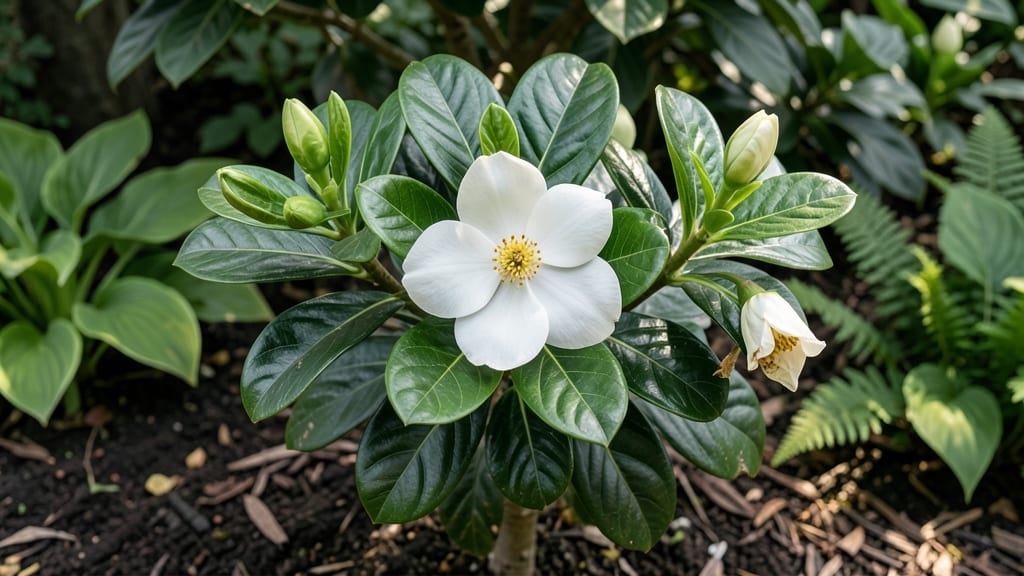
Gardenia flowers typically last 3 to 4 weeks per bloom cycle, but their duration depends on the variety, care, and even your climate in Zone 6.
That fragrant, velvety beauty you adore might seem fleeting, but with the right approach, you can coax them into lasting longer—or even reblooming later in the season.
Picture this: you’ve just planted your 🌸 gardenia in spring, and those first buds form, promising weeks of intoxicating scent. But without knowing how to support them, those blooms might wilt sooner than expected.
The good news? Small tweaks—like proper watering, sunlight balance, and deadheading—can turn a short-lived show into a longer, more frequent display.
Not all gardenias are created equal. Some varieties, like the classic G. jasminoides, thrive in Zone 6’s mild summers and can stretch their blooms to 5 weeks with ideal care, while others fade faster.
Understanding your plant’s needs—from acidic soil to morning sun—is the key to extending that floral magic well beyond the typical 3-week window.
In this guide, you’ll discover how to read your gardenia’s signals, avoid common pitfalls (like overwatering or harsh afternoon sun), and even encourage a second flush of blooms. Let’s turn those fleeting flowers into a lasting highlight of your garden.
Gardenia flower lifespan by variety: what to expect from each type
Gardenia flowers are renowned for their creamy-white petals and intoxicating fragrance, but their bloom duration varies dramatically by variety. Some varieties like G. jasminoides produce flowers that last 5-7 days on the plant, while others like G. radicans can extend their display to 10-14 days.
Understanding these differences helps you set realistic expectations and tailor care to maximize their stunning display.
The lifespan of gardenia flowers also depends on environmental factors like humidity levels, temperature fluctuations, and light exposure. In tropical climates, gardenias often bloom longer due to consistent warmth, while cooler regions may see shorter bloom cycles.
Even with optimal care, gardenias typically produce 2-3 bloom cycles per year, with peak seasons in late spring and summer.
Below is a detailed comparison of popular gardenia varieties and their typical bloom durations. This summary-table highlights the key differences, helping you choose the right variety for your garden or container setup.
| Variety | Bloom Duration (Days) | Peak Blooming Season | Climate Suitability | Notes |
|---|---|---|---|---|
| G. jasminoides | 5-7 days | Late spring to early summer | Tropical to warm temperate | Most popular variety; fragrant but shorter bloom life |
| G. augusta | 7-10 days | Summer to early fall | Humid subtropical | Larger blooms; thrives in high humidity |
| G. radicans | 10-14 days | Late summer to fall | Warm coastal regions | Climbing variety; extended bloom time in ideal conditions |
| G. fortuniana | 4-6 days | Early spring | Cool temperate | Early bloomer; shorter lifespan but early seasonal interest |
| G. tabucensis | 8-12 days | Summer | Tropical | Drought-tolerant; longer bloom in arid climates |
The G. jasminoides variety, often called the common gardenia, is the most widely grown for its strong fragrance and compact size. However, its blooms typically last only 5-7 days before wilting.
This shorter lifespan is due to its genetic makeup, which prioritizes quick scent release over prolonged visual appeal. If you're growing this variety, focus on deadheading spent blooms to encourage more flowers and extend the overall blooming season.
On the other hand, G. radicans, a climbing gardenia, often outlasts other varieties with blooms that can persist for 10-14 days. This extended lifespan is partly due to its tropical origins, where it thrives in consistent warmth and humidity.
If you live in a coastal or subtropical climate, this variety is an excellent choice for a longer-lasting gardenia display. In cooler regions, consider growing it in containers and bringing it indoors during colder months to protect its delicate blooms.
Seasonal variations also play a critical role in bloom duration. Gardenias planted in USDA Zone 8 or higher often experience longer bloom cycles because they avoid temperature drops that can stress the plant.
For example, G. augusta blooms for 7-10 days in its native humid subtropical climates, but in Zone 7 or cooler, its blooms may last only 4-6 days due to cooler nights. To mitigate this, use mulch around the base to insulate roots and maintain soil warmth.
Climate isn't the only factor—light exposure also impacts how long gardenia flowers last. While gardenias prefer partial shade, too little light can weaken the plant, reducing bloom quality and duration. Place your gardenia where it receives morning sun and afternoon shade.
This balance helps the plant photosynthesize efficiently while preventing the wilting caused by afternoon heat. In containers, rotate the pot every few weeks to ensure even light exposure on all sides.
Another key factor is soil acidity. Gardenias thrive in acidic soil with a p
5 Proven tips to extend gardenia flower life and frequency
Gardenia flowers typically last 3-7 days once fully open, but with the right care, you can extend their beauty for up to 10 days or even encourage more frequent blooming. The secret lies in mimicking their natural tropical environment—consistent moisture, proper sunlight, and gentle pruning.
I’ve learned that gardenias reward attentive care with longer-lasting blooms and more frequent flushes throughout the season.
Many gardeners struggle with drooping buds or premature wilting because they overlook subtle but critical care details. For example, gardenias hate soggy soil, yet they also despise dry spells. Balancing these factors is key to preserving those creamy-white, intoxicating blooms for as long as possible.
Let’s dive into the five essential strategies that have transformed my gardenias from occasional bloomers to year-round fragrance machines.
- 🌸 Prune after blooming: Trim spent flowers and leggy stems in late spring to encourage new growth and more blooms. Avoid heavy pruning in fall—this can shock the plant.
- 💧 Water deeply in mornings: Gardenias need 1 inch of water weekly, but never let them sit in wet soil. Morning watering prevents fungal diseases that cause buds to drop.
- ☀️ Provide filtered sunlight: Place them in morning sun + afternoon shade (4-6 hours of light daily). Harsh afternoon sun scorches buds, shortening their lifespan.
- 🌱 Fertilize with acid-loving formula: Use a balanced 10-10-10 fertilizer every 4-6 weeks in spring/summer. Avoid high-nitrogen feeds—they promote foliage over flowers.
- ✂️ Remove spent blooms promptly: Deadheading faded flowers redirects energy to new buds. Snip stems just above a leaf node to prevent disease entry points.
One of the biggest mistakes I see is over-fertilizing in winter. Gardenias go semi-dormant in cooler months, and feeding them then leads to weak, short-lived blooms. Instead, focus on light feeding in spring to jumpstart growth and heavy feeding in early summer to support flowering.
I also avoid synthetic fertilizers—they can alter soil pH, which gardenias hate (they thrive in acidic soil, pH 5.0-6.5).
Pests like aphids and spider mites can silently sabotage your gardenias by sucking sap from buds, causing them to wilt or fail to open. I’ve found that a neem oil spray applied every 2 weeks during bloom season keeps these pests at bay without harming the plant.
Early detection is key—check the undersides of leaves for sticky residue or tiny webs. A strong jet of water can also dislodge aphids before they cause damage.
Finally, don’t overlook the power of mulching. A 2-3 inch layer of pine bark mulch retains moisture, regulates soil temperature, and slowly releases nutrients. This simple step has helped my gardenias maintain consistent blooming even during dry spells.
Just remember to keep mulch 2 inches away from the trunk to prevent rot. With these tips, you’ll enjoy gardenia blooms that last weeks longer and appear more frequently throughout the growing season.
🌿 The key to long-lasting gardenia blooms isn’t just one trick—it’s a holistic approach combining proper pruning, watering, sunlight, and pest control. Start with these five strategies, and you’ll transform your gardenias from occasional bloomers to fragrant, year-round stars in your garden.