
Light Requirements
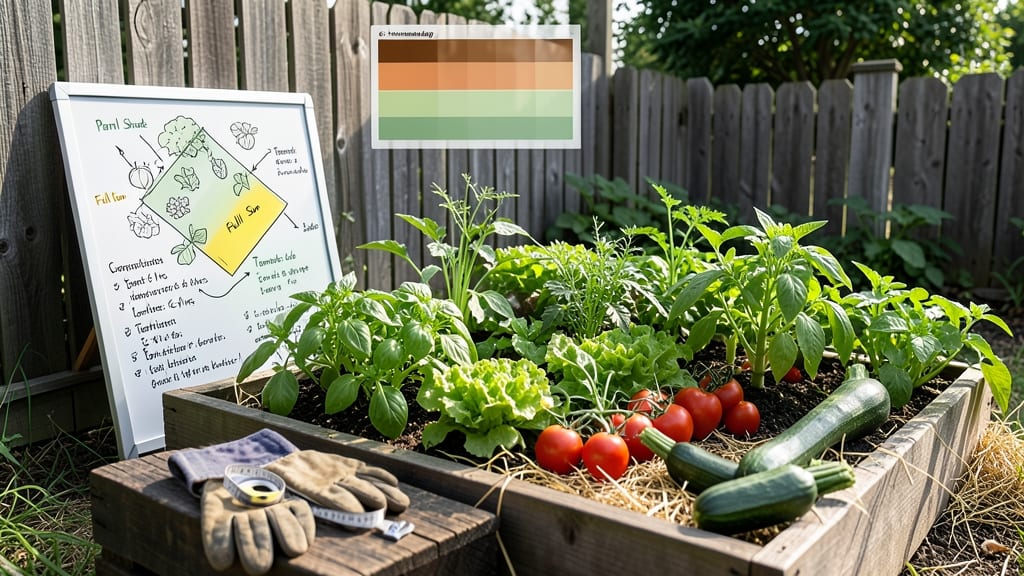
How much sun does your vegetable garden need to thrive? The answer isn’t one-size-fits-all—6 to 8 hours of sunlight daily is ideal for most crops, but not all vegetables demand the same amount—and getting it wrong can mean the difference between a bountiful harvest and a sad, wilted mess.
Struggling to decide where to plant your tomatoes or lettuce? Sunlight needs vary dramatically between vegetables—and getting it wrong can mean the difference between a thriving harvest and wasted effort.
Too little sun and your peppers won’t fruit; too much, and your spinach bolts to seed faster than you can say "pesto."
Most vegetables, like tomatoes, peppers, and cucumbers, crave full sun—that’s 6+ hours of direct rays—but others, like leafy greens, tolerate partial shade. Understanding these differences is the key to maximizing your garden’s potential without overcomplicating things.
In this guide, I’ll break down exactly how much sun each crop needs, how to measure sunlight in your space, and clever tricks to stretch limited light for the best possible yield—no guesswork required.

Sunlight requirements for vegetables: full sun vs partial shade explained
Understanding sunlight requirements for your vegetable garden is the first step toward a bountiful harvest. Most vegetables fall into three main categories: full sun, partial shade, or full shade.
But what do these terms really mean? Full sun typically means 6-8+ hours of direct sunlight daily, while partial shade ranges from 3-6 hours, and full shade is less than 3 hours. Getting this wrong can lead to stunted growth, poor yields, or even plant death.
Many gardeners mistakenly assume all vegetables need full sun, but some thrive—or even prefer—partial shade. For example, leafy greens like spinach and lettuce often bolt (go to seed prematurely) in hot, sunny conditions.
Meanwhile, tomatoes and peppers require full sun to produce flavorful fruits. Knowing these distinctions will help you design a garden layout that maximizes each plant’s potential.
Here’s a quick reference to help you visualize the differences:
Vegetables like tomatoes and peppers are classic examples of full-sun lovers. Without enough sunlight, they’ll produce small, bland fruits or none at all.
On the other hand, leafy greens such as spinach and kale can bolt (send up flower stalks) too quickly in hot conditions, turning bitter and inedible. Partial shade keeps them sweet and tender.
One common misconception is that morning sun is the same as afternoon sun. In reality, afternoon sun can be more intense, especially in hot climates, and may scorch delicate leaves.
If you’re working with partial shade plants, aim to provide morning sun and dappled afternoon shade for the best results.
If your garden has limited sunlight, don’t despair—there are still plenty of shade-tolerant vegetables you can grow. For example, bush beans and green onions can handle 3-4 hours of sun and still produce well.
Even some herbs, like cilantro and parsley, thrive in partial shade. The key is to match the plant to the light rather than forcing a mismatch.
To measure sunlight in your garden, use a simple sunlight tracker. Place a white board or piece of cardboard in different spots and mark the areas shaded at various times of the day.
This will help you map your garden’s sunlight patterns and plan accordingly. Most garden centers sell sun calculators or apps that can do this for you, making it easier to optimize plant placement.
Another tip: Rotate crops seasonally to take advantage of changing sunlight angles. In early spring, when the sun is lower, partial shade areas may receive more light than they do in summer.
By adjusting your planting schedule, you can ensure each vegetable gets the right amount of sunlight at the right time.
Remember, soil health and watering practices also play a role in how well your vegetables perform under different light conditions. For instance, well-draining soil helps prevent root rot in shady spots, while mulching can retain moisture for plants struggling in hot, sunny conditions.
Combining the right sunlight, soil, and water will set your garden up for success.
Start by assessing your garden’s sunlight today—your future harvest depends on it! 🌱
Best vegetables for low-sun gardens: shade-tolerant crops for small spaces
Not all gardens get the full sun needed for tomatoes or peppers, but that doesn’t mean you can’t grow delicious vegetables! With the right shade-tolerant crops, you can transform even the dimmest corners of your yard, balcony, or patio into a productive low-light vegetable garden.
These varieties thrive with 3-6 hours of sunlight or less, making them perfect for urban apartments, north-facing plots, or areas blocked by trees.
I’ve grown these partial-shade vegetables in my own container garden on a shady porch, and they’ve consistently delivered harvests—proving that low-sun gardening is not only possible but rewarding.
The key is choosing crops that match your light conditions and providing consistent moisture, as shade-loving plants often need more water than sun-loving varieties.
- 1 Leafy Greens: Lettuce, spinach, and kale thrive in 3-4 hours of sun. Try Buttercrunch lettuce or Lacinato kale for high yields.
- 2 Root Vegetables: Radishes (3-4 hours) and baby carrots grow well in partial shade. Opt for Cherry Belle radishes for fast harvests in 30 days.
- 3 Alliums: Green onions and shallots tolerate 4-6 hours of sun. They’re low-maintenance and regrow after cutting.
- 4 Herbs: Cilantro and parsley love shade. Cilantro bolts faster in heat, so grow it in morning sun or dappled shade.
- 5 Peas: Sugar snap peas and snow peas grow vertically in 4-6 hours of sun. Use a trellis to save space and maximize light.
For full-shade gardens (less than 3 hours of sun), focus on microgreens, arugula, or bok choy. These fast-growing greens can be harvested in as little as 3-4 weeks, making them ideal for quick turns in containers.
I’ve even grown mizuna under a porch awning with just indirect light from a nearby window.
Pro tip: Rotate crops seasonally to maximize your shade garden’s productivity. In spring, prioritize cool-season greens like spinach, while summer’s extra humidity suits shade-loving herbs and peas. Always mulch to retain moisture—shade gardens dry out slower but still need consistent watering, especially in containers.
Don’t let limited sunlight stop you from gardening! With these shade-tolerant vegetables, you can enjoy fresh harvests year-round, even in the shadiest spots. Start small with container gardening, and watch how quickly your low-light garden transforms into a lush, productive space. 🌱