
Light Requirements
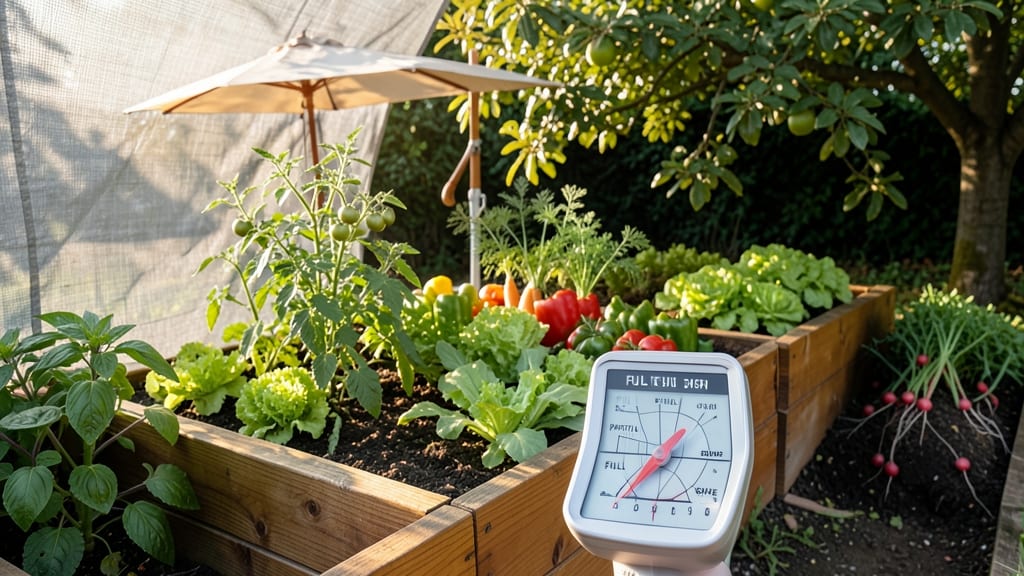
A vegetable garden needs 6 to 8 hours of sunlight daily to thrive, but the exact amount depends on what you're growing—too much or too little can ruin your harvest.
Wondering why your tomatoes keep turning bitter or your lettuce bolts too early? Sunlight—or the lack of it—is often the silent game-changer in vegetable garden success. But how much is just right for each crop?
Some plants, like peppers and eggplants, demand full sun all day, while leafy greens and herbs can handle a little shade. The key is matching your garden layout to each plant’s needs—otherwise, you’re setting yourself up for disappointment.
Below, I break down the perfect sunlight ranges for every major crop, how to measure what your garden actually gets, and simple fixes for common mistakes that waste your hard work.

Sunlight requirements for vegetables: full sun vs. partial shade breakdown
Sunlight is the lifeblood of your vegetable garden, but not all crops thrive under the same conditions. Full sun lovers like tomatoes and peppers need 6-8+ hours of direct light daily, while partial shade crops such as lettuce and spinach prefer 3-6 hours.
Understanding these ranges prevents common failures like stunted growth or bitter produce—problems I’ve fixed in my own garden by adjusting plant placement.
Vegetables fall into three sunlight categories: full sun, partial shade, and low light. Misjudging these needs often leads to poor fruiting or early bolting. For example, tomatoes left in partial shade produce fewer tomatoes, while basil exposed to too much sun turns bitter.
Let’s break down the exact sunlight ranges and growth implications for each category.
Full sun (6-8+ hours) is ideal for most fruiting vegetables like tomatoes, peppers, and cucumbers. These crops need intense light to develop sweet, flavorful produce. Partial shade (3-6 hours) suits leafy greens like spinach and kale, which bolt or turn bitter in excessive heat. Low light (under 3 hours) is rare for vegetables, but arugula and radishes can tolerate it in cooler climates.
Here’s a quick reference table to help you match crops to sunlight:
| Vegetable | Sunlight Needs | Growth Implications | Best For |
|---|---|---|---|
| Tomatoes | 6-8+ hours | Poor fruiting, bitter taste | Full sun |
| Peppers | 6-8+ hours | Stunted growth, fewer peppers | Full sun |
| Lettuce | 3-6 hours | Bolting, bitter leaves | Partial shade |
| Spinach | 3-6 hours | Yellowing leaves, poor yield | Partial shade |
| Basil | 4-6 hours | Bitter flavor, leggy stems | Partial sun |
| Arugula | 2-4 hours | Slow growth, weak stems | Low light |
Falling short of sunlight causes leggy, weak plants with fewer flowers or fruits. For example, tomatoes in partial shade produce small, green fruit that never ripens. Meanwhile, excessive sun can scorch leafy greens like spinach, turning them crispy at the edges.
I learned this lesson the hard way when my basil turned bitter after a heatwave—now I provide afternoon shade with a lightweight shade cloth.
Some crops, like cucumbers and squash, need full sun but also benefit from afternoon shade in hot climates. Others, such as broccoli and cauliflower, prefer cool, partial shade to prevent bolting.
Always check seed packets for specific guidelines, as varieties differ. For instance, cherry tomatoes tolerate slightly less sun than beefsteak tomatoes.
If your garden has limited sunlight, opt for shade-tolerant varieties like ‘Outredgeous’ lettuce or ‘Mizuna’ greens. These thrive with 3-4
How to measure and adjust sunlight in your garden for optimal growth
Accurate sunlight measurement is the foundation of a thriving vegetable garden. Without it, you might be overwatering shade-loving crops or underestimating the sun exposure of your tomatoes and peppers.
Start by observing your space between 10 AM and 4 PM—this is when sunlight is strongest and most reliable for measuring.
Use a simple DIY tool like a sunlight tracker made from a white board or cardboard. Place it in your garden for a full week, marking the shaded areas every hour. This method reveals how sunlight shifts with seasonal changes and nearby structures like fences or trees.
🌱 Key Sunlight Adjustments for Your Garden
- 1. Test sunlight for 7 days using a DIY tracker to account for cloudy days and seasonal shifts.
- 2. Group crops by sunlight needs: full sun (6+ hours) in open areas, partial shade (3-6 hours) near structures.
- 3. Use reflective surfaces like white gravel or mirrors to redirect sunlight to shady corners.
- 4. Adjust planting times for shade-loving crops (e.g., spinach, kale) in early spring or late summer.
- 5. Monitor microclimates—south-facing beds get more sun than north-facing ones, even in the same yard.
For shade-loving crops like lettuce or radishes, consider supplementing sunlight with a transparent cloche or frost blanket during peak hours. These tools amplify light without overheating plants, making them ideal for partial shade gardens.
Seasonal adjustments are critical—what’s full sun in summer may become partial shade in winter due to lower sun angles. Rotate crops annually to balance sunlight exposure and prevent soil depletion in high-sun areas.
If your garden has deep shade, opt for low-light tolerant varieties like Swiss chard or bok choy. Pair them with taller, sun-loving plants to create a layered canopy that maximizes limited light.
Regularly reassess your garden’s sunlight map every 3-4 months to adapt to tree growth, new structures, or weather patterns. A little flexibility ensures your vegetable garden stays productive year-round. ☀️🌿