
Plants
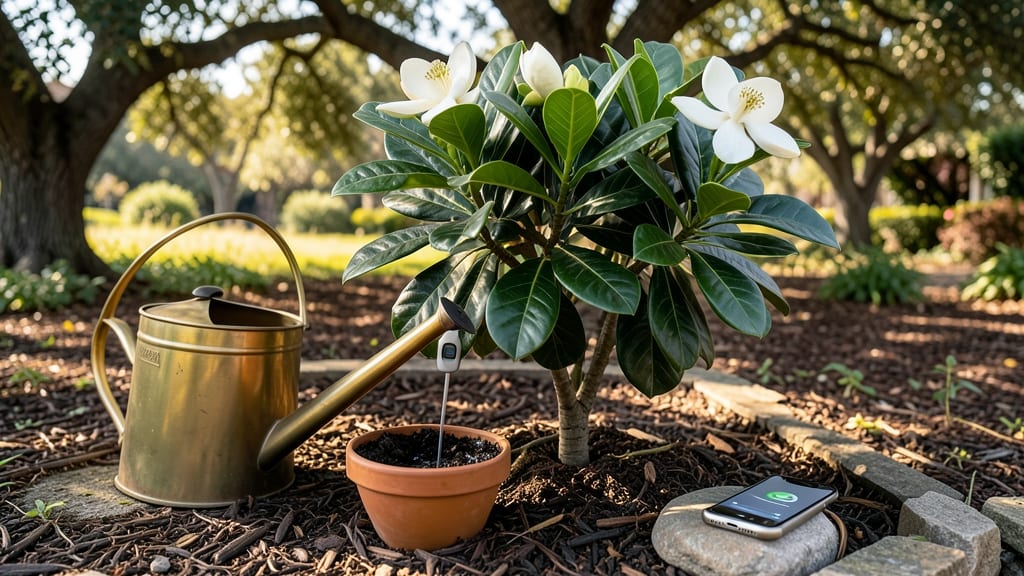
Gardenias’ ideal watering schedule: when, how much, and what to avoid
Gardenias thrive on consistent moisture, but their roots are famously sensitive to both drought and waterlogging. As a gardener who’s lost more gardenias to soggy soil than I’d like to admit, I’ve learned the hard way that timing, depth, and frequency make all the difference.
These tropical beauties need 1 to 1.5 inches of water per week, but container-grown plants dry out faster than in-ground shrubs. Let’s break down the science—and save your gardenia from becoming a sad, wilted memory.
First, check your soil moisture before watering. Stick your finger 2 inches deep into the soil—if it feels dry, it’s time to water. If it’s still damp, wait another day or two.
Gardenias hate wet feet, so always water at the base of the plant (not the leaves) to prevent fungal diseases like powdery mildew or botrytis.
Morning watering is ideal because it gives foliage time to dry out during the day, reducing the risk of leaf spot diseases that thrive in damp conditions.
🌸
| Condition | Specification | Notes |
|---|---|---|
| Watering Frequency (In-Ground) | Every 5-7 days | Adjust for rainfall; soil retains moisture longer. |
| Watering Frequency (Containers) | Every 2-3 days | Pots dry out faster; check soil daily in summer. |
| Water Depth | 1-1.5 inches per week | Soak until water drains from container bottoms. |
| Best Time to Water | Morning (6-9 AM) | Reduces fungal risks and evaporation. |
| Rainfall Adjustment | Skip watering if >1 inch rain | Use a rain gauge to track weekly totals. |
| Humidity Boost | Mist leaves or use pebbles tray | Indoor gardenias need 50-60% humidity. |
| Signs of Overwatering | Yellow leaves, mushy stems | Stop watering immediately; let soil dry. |
| Signs of Underwatering | Drooping leaves, crispy edges | Water deeply and increase frequency. |
Container gardenias need more frequent watering than their in-ground cousins because pots dry out quickly, especially in hot, dry climates. If you’re growing gardenias in clay pots, water every 2-3 days in summer, while terracotta pots may need daily checks.
Pro tip: Group containers together to create a microclimate that retains moisture longer. For in-ground plants, mulch around the base with 2-3 inches of organic mulch (like pine bark) to lock in moisture and regulate soil temperature.
Humidity plays a huge role in gardenia care, especially if you’re growing them indoors or in dry climates. These tropical plants love 50-60% humidity, which is hard to maintain in most homes.
To help, place a pebble tray filled with water under the pot or use a humidifier nearby. For outdoor gardenias, mist the leaves in the early morning to simulate their natural tropical environment. Just avoid wetting the leaves at night, as this invites fungal infections like anthracnose.
💧
One of the biggest mistakes I see is ignoring seasonal changes. In summer, gardenias may need daily watering if temperatures exceed 85°F, while winter watering should drop to bi-weekly as growth slows. Always adjust based on soil moisture and weather conditions.
For example, if you’ve had 3 inches of rain in a week, skip your scheduled watering entirely. Use a rain gauge to track weekly totals and adjust accordingly. Overwatering in winter is a common killer—roots rot quickly in cold, soggy soil.
Watch for visual cues that your gardenia is thirsty or drowning. Underwatered gardenias have crispy, brown leaf edges and drooping foliage, while overwatered plants develop yellow leaves, mushy stems, and blackened roots.
If you suspect root rot, stop watering immediately, repot the plant in fresh, well-draining soil, and trim any mushy roots with sterilized pruners. Always water slowly and deeply—never let water pool in the saucer or container bottom for more than 15 minutes.
🌿
For maximum blooms, pair your watering schedule with fertilization. Feed gardenias with an acid-loving fertilizer (like 10-10-10) every 4-6 weeks during the growing season (spring and summer). Water thoroughly after fertilizing to prevent root burn.
Avoid fertilizing in fall or winter, as the plant enters dormancy. If your gardenia’s leaves turn yellow with green veins, it’s often a sign of over-fertilization—flush the soil with water to remove excess salts.
Balance is key: water, feed, and prune in harmony for vibrant blooms all season long.
5 Common watering mistakes that kill gardenias (and how to fix them)
Gardenias are finicky about water—too much causes root rot, while too little leads to drooping blooms and stunted growth. Even experienced gardeners accidentally drown these tropical beauties by ignoring subtle signs.
The key is consistency without saturation. Let’s fix the most common watering blunders before they turn your gardenia’s leaves yellow or brown.
First, most gardeners assume gardenias need daily watering like thirsty succulents. In reality, they prefer deep but infrequent soaking. Overwatering is the #1 killer, often disguised as "extra care."
A soggy root system chokes your plant, while dry soil stresses it. The solution? Check soil moisture 2 inches deep before watering—if it’s damp, wait.
⚠️ How Much Water Does a Gardenia Plant Need?
Gardenias thrive on 1-2 inches of water per week during growing season (spring/summer). For container plants, water when the top 1 inch of soil feels dry. In-ground gardenias need watering every 5-7 days unless rainfall exceeds 1 inch. Morning watering prevents fungal growth—never water at night.
Pro Tip: Use a moisture meter or the "finger test" to avoid guesswork.
Mistake #1: Ignoring container vs. in-ground differences. Potted gardenias dry out 3x faster than those in the ground. If your plant’s soil feels dry by midweek, it’s underwatered.
Upgrade to a terracotta pot (better drainage) and add perlite to soil to prevent compaction. For in-ground plants, mulch around the base to retain moisture.
Mistake #2: Watering on a strict schedule instead of checking soil. Rainfall, humidity, and temperature change your gardenia’s needs. After a heavy rain, skip watering for 3-5 days—soggy soil suffocates roots.
Use a rain gauge to track natural watering. In humid climates, reduce watering by 20% to prevent fungal diseases like powdery mildew.
Mistake #3: Skipping the deep watering technique. Shallow watering encourages weak root systems that can’t support blooms. Instead, water until you see moisture drain from the pot’s bottom or the soil 2 inches deep is saturated.
For in-ground plants, water slowly at the base of the plant—avoid wetting leaves to reduce disease risk.
Mistake #4: Letting yellow leaves go unchecked. Yellowing leaves usually signal overwatering or poor drainage. First, check the soil—if it smells like rot, your gardenia has root rot. Fix it by reducing water, improving drainage, and trimming mushy roots.
Brown edges, however, often mean underwatering or low humidity. Increase water slightly and place a humidity tray nearby.
Mistake #5: Using hard water or tap water with high chlorine. Gardenias are acid-loving plants and hate alkaline water, which causes leaf burn. Collect rainwater or distilled water for potted plants, or use a water filter with a pH adjustment feature.
If you must use tap water, let it sit 24 hours to off-gas chlorine before watering.