Fertilization
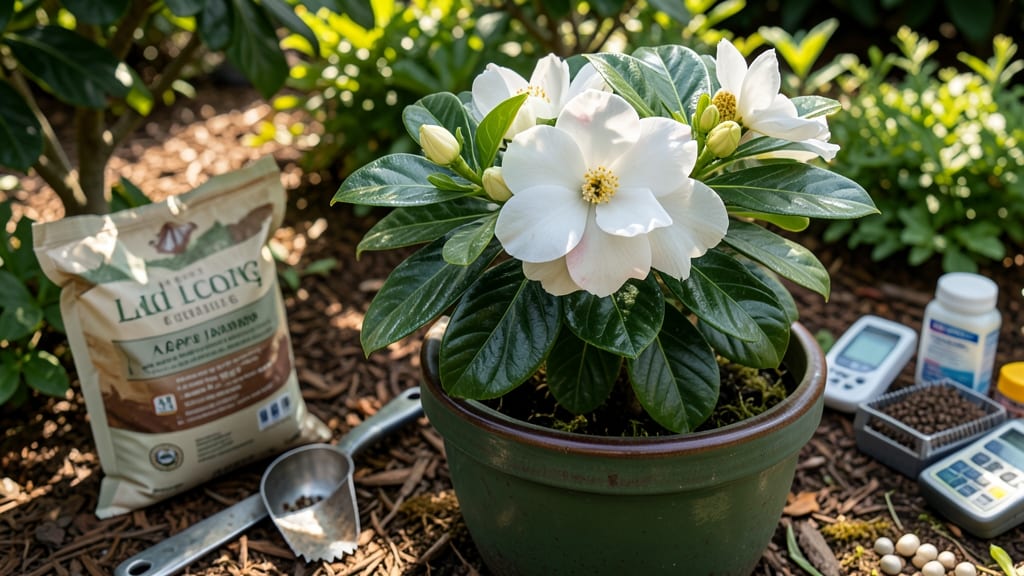
Fertilizing gardenias every 4-6 weeks during their growing season is the key to those fragrant blooms 🌸 you’ve been dreaming of.
Struggling to keep your gardenias blooming year after year? The secret isn’t just water or sunlight—it’s a precise fertilization schedule that matches their seasonal needs. Too little, and you’ll miss out on vibrant flowers. Too much, and you risk stunted growth or even root burn.
Here’s what you need to know: gardenias thrive when fed with the right nutrients at the right time. We’ll break down the perfect feeding schedule—from spring’s first burst of growth to summer’s peak blooming season—and show you how to spot when your plant is asking for more (or less).
By the end, you’ll have a simple, foolproof plan to keep your gardenias lush, healthy, and bursting with fragrance every season.

Gardenia fertilization schedule by season: when to feed for maximum blooms
Gardenias reward careful gardeners with their fragrant blooms and glossy foliage—but only when their nutrient needs align with their natural growth cycles. Unlike many plants, gardenias thrive on a seasonal fertilization approach, where timing matters more than frequency.
Overfeeding in summer can scorch roots, while skipping spring feedings stunts blooms. Let’s break down the month-by-month schedule that keeps your gardenias lush year-round.
Most gardeners make one critical mistake: fertilizing too late in the season or using the wrong NPK ratio. Gardenias need balanced fertilizers (8-4-8 or 10-6-8) with an emphasis on phosphorus for blooms, but they’re sensitive to excess nitrogen.
The key is feeding lightly and strategically—never more than once every 4-6 weeks during active growth. Let’s dive into the seasonal breakdown that transforms sparse stems into blooming bushes.
🌱 Pro Tip: Always apply fertilizer to moist soil in the morning to prevent root burn and maximize absorption. And remember—acid-loving plants like gardenias need soil pH between 5.0 and 6.0. Test your soil before fertilizing to avoid pH-related deficiencies.
Spring is when your gardenias wake up from dormancy, making it the most critical season for fertilization. Begin feeding in early April (after your last frost date) with a balanced, acid-loving fertilizer like azalea/camellia blend.
This 8-4-8 NPK ratio supports both foliage and blooms without overwhelming the plant. Apply 1 tablespoon per plant every 4 weeks until June. For organic gardeners, compost tea or bone meal (for phosphorus) works wonders.
Summer feeding requires caution—heat stress and overwatering are common pitfalls. Switch to a light feeding schedule (every 6 weeks) using diluted fish emulsion or slow-release granules. Avoid synthetic fertilizers with high nitrogen, which can cause leafy growth at the expense of blooms.
Always water thoroughly before applying fertilizer to prevent root burn. If your gardenia drops buds, it’s a sign of nutrient imbalance—cut back on feeding immediately.
Fall and winter are non-fertilizing seasons for gardenias. By September, your plant signals dormancy with slower growth and fewer leaves. Fertilizing during this time can stimulate weak, late-season growth that won’t survive frost.
Instead, focus on mulching with pine bark or acidic compost to protect roots. In winter, skip all fertilizers—your gardenia is conserving energy for next year’s blooms.
Container gardenias follow the same rules but need more frequent monitoring. Potted plants dry out faster and are more prone to nutrient leaching. Use a liquid fertilizer every 4-6 weeks during spring/summer, but flush the soil with water after each feeding to prevent salt buildup.
Pro tip: Repot every 2-3 years with fresh, acidic potting mix to replenish nutrients.
New gardenias (under 2 years old) need half the fertilizer of mature plants. Overfeeding young shrubs causes root burn and stunted growth. Start with 1/2 teaspoon of fertilizer every 6 weeks in spring, then gradually increase as the plant establishes.
Mature gardenias (over 3 years old) can handle the full dose but may need additional phosphorus if blooms are sparse. Try a bloom booster like 10-30-20 in late spring for a showstopping display.
🌿 Common Mistake: Many gardeners fertilize gardenias year-round, leading to leaf scorch and bud drop. Remember: No fertilizer in fall or winter—this is when your plant rests and stores energy for next season’s blo
Signs your gardenia needs fertilizer (or too much of it)
Your gardenia might be silently screaming for help—or begging you to stop! Yellowing leaves or sparse blooms often signal nutrient deficiencies, while brown leaf edges or dropping foliage can mean over-fertilization. These subtle clues help you adjust care before the plant suffers. Let’s decode the signs and fix them fast.
When new growth stalls or leaves turn pale green, your gardenia craves nitrogen. Sparse or small blooms? It’s likely lacking phosphorus. Yellowing between veins? That’s a classic sign of iron deficiency.
But here’s the catch: these symptoms overlap with other issues like poor drainage or pests, so always check soil moisture first.
Over-fertilizing is just as harmful. Burnt leaf tips or crispy edges mean excess salt buildup from fertilizers. If your gardenia drops leaves suddenly or shows stunted growth, it’s likely stressed by too many nutrients.
The key is balance—feed lightly and water thoroughly after fertilizing to flush out excess salts.
Fertilizing Gardenias: Pros & Cons
✅ Do This
- 🌱 Feed every 4-6 weeks in spring/summer
- 💧 Use acidic fertilizer (pH 5.0-6.5)
- ☀️ Avoid fertilizing in winter
- 🌿 Apply in morning for best absorption
❌ Avoid This
- ❄️ Fertilize in fall/winter (dormant season)
- 🔥 Use high-nitrogen fertilizer (burns roots)
- 💦 Skip watering after feeding (causes salt buildup)
- 🌞 Apply in afternoon heat (stresses plant)
If you spot yellow leaves with green veins, your gardenia needs iron. Try a chelated iron supplement or acid-loving plant fertilizer.
For brown leaf tips, flush the soil with water to remove excess salts. Prune back dead growth to encourage new, healthy shoots—this helps the plant recover faster.
For container gardenias, fertilize twice as often since nutrients wash out faster. Outdoor plants benefit from a spring soil test—aim for pH 5.0-6.5.
If your soil is too alkaline, amend it with peat moss or sulfur to improve acidity. This small step makes a huge difference in bloom quality!
Remember: Less is more with gardenias. They’re sensitive to overfeeding, so always follow the "feed-light" rule during hot months. Watch your plant closely—it’ll tell you exactly what it needs through its leaves, blooms, and growth patterns. Happy gardening! 🌸