
Planting
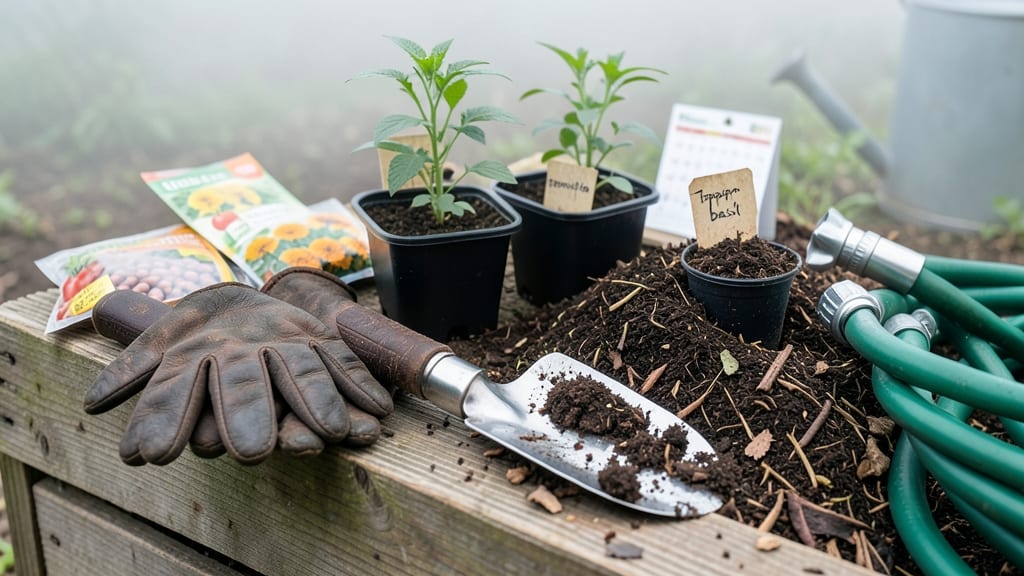
The best time to plant a garden in Tennessee depends on your crop type and USDA zone, but spring’s frost-free window is the golden hour for most 🌱 General Garden Plants.
Picture this: You’ve prepped the soil, ordered seeds, and are ready to dig in—only to wake up to a surprise frost in early April.
That’s why timing matters more than you think, especially in Tennessee’s 6a-7b zones, where last frost dates can swing from mid-March in the mountains to early April in the valleys.
Cool-season crops like lettuce and peas thrive when planted 4-6 weeks before the last frost, while tomatoes and peppers need soil temperatures of at least 60°F—a window that opens in late April or early May.
Get it wrong, and you’re either waiting months for harvests or battling heat-stressed seedlings.
Below, I’ll break down the exact planting calendar for Tennessee’s top crops, zone-by-zone tips to avoid common mistakes, and how to stretch your growing season with simple tricks like row covers. Ready to turn your garden dreams into a harvest?
Tennessee’s frost-free dates by USDA Zone: your planting calendar
Tennessee’s USDA zones 5a through 7a create a patchwork of planting opportunities, from the cool mountain highlands of East Tennessee to the hot, humid Delta in the west. Understanding your zone’s last spring frost and first fall frost dates determines whether your tomatoes thrive or your lettuce bolts.
Let’s break down the frost-free windows by region so you can plan with confidence.
In Zone 5a (highest elevations like the Great Smoky Mountains), gardeners face shorter growing seasons with an average last frost around April 15 and first frost by October 15.
Meanwhile, Zone 7a (Middle and West Tennessee) enjoys a 100+ day frost-free window, stretching from March 15 to November 15. These variations mean your neighbor’s planting schedule might not work for you!
Here’s the critical frost-free window for each zone, including cool-season vs. warm-season crop timing to maximize your harvest:
| USDA Zone | Last Spring Frost | First Fall Frost | Frost-Free Days | Cool-Season Planting | Warm-Season Planting |
|---|---|---|---|---|---|
| 5a (e.g., Mountain City) | April 15 | October 15 | 180 days | March–April, Aug–Sept | May 15–July 15 |
| 6a (e.g., Nashville) | April 1 | October 30 | 205 days | Feb–March, Aug–Sept | April 15–Aug 15 |
| 6b (e.g., Chattanooga) | March 25 | November 5 | 220 days | Feb–March, Aug–Sept | April 1–Sept 1 |
| 7a (e.g., Memphis) | March 15 | November 15 | 245 days | Jan–Feb, Sept–Oct | March 1–Oct 15 |
| 7b (e.g., Jackson) | March 1 | December 1 | 275 days | Jan–Feb, Sept–Oct | Feb 15–Nov 1 |
For cool-season crops like lettuce, spinach, and peas, plant 4–6 weeks before your last frost. In Zone 5a, that means mid-February for early varieties, while Zone 7a gardeners can start as early as January.
Warm-season lovers should wait until soil temps hit 60°F—typically mid-April in Zone 5a and early March in Zone 7a—before planting tomatoes, peppers, and cucumbers.
Microclimates add another layer! Valleys (like the Cumberland Plateau) warm up faster than mountain slopes, while urban areas (e.g., Nashville’s downtown) can be 5–10°F warmer than rural zones. Use a soil thermometer and watch local weather forecasts for 32°F warnings to protect tender seedlings.
Fall planting is just as critical. Broccoli, kale, and carrots thrive when sown 6–8 weeks before your first frost. In Zone 6a, that’s late July to early August, while Zone 7a can extend until September 15.
Don’t forget cover crops like clover or winter rye to protect soil health during dormancy.
Pro tip: Succession planting every 2–3 weeks ensures a steady harvest. For example, in Zone 7a, sow bush beans on April 1, April 15, and May 1 to enjoy fresh pods all summer. Adjust timing based on your zone’s frost-free days—longer seasons mean more planting windows!
Remember, these dates are averages. Check local almanacs or use USDA’s Plant Hardiness Zone Map for your exact location. With
Best planting times for Tennessee’s top 10 crops (vegetables, flowers, herbs)
Tennessee’s USDA zones 5a–7a create unique challenges for gardeners. Cool mountain air in East Tennessee delays spring planting, while hot Delta summers demand heat-tolerant varieties. Whether you’re growing tomatoes in Memphis or strawberries in Knoxville, timing is everything.
Below are the optimal planting windows for Tennessee’s most popular crops, tailored to your zone and microclimate.
For Zone 5a (Appalachian Plateau), focus on cold-hardy varieties like kale and peas, while Zone 7a (West Tennessee) gardeners can push late-summer crops like okra and sweet potatoes. The key? Soil temperature and frost dates—not just calendar months.
Use these guidelines to maximize your harvest and avoid common pitfalls like bolting lettuce or blossom-end rot in tomatoes.
- Tomatoes & Peppers (Zones 6a–7a): Transplant after April 15 (soil ≥60°F). Heat-tolerant varieties like 'Celebrity' tomato or 'Jupiter' pepper thrive in Zone 7a’s summer heat. For Zone 5a, start seeds indoors by March 1 for transplanting in May.
- Beans & Peas (All Zones): Direct-sow after May 1 when soil is warm. Bush beans mature faster than pole beans—ideal for short seasons. Peas can handle cooler temps; sow March 15–April 15 in Zone 5a.
- Lettuce & Spinach (Cool-Season): Plant March 1–April 15 (spring) or August 15–September 15 (fall). Use shade cloth in Zone 7a’s summer to prevent bolting. 'Black Seeded Simpson' lettuce is a reliable choice.
- Strawberries (Perennial): Plant bare-root crowns in early spring (March) or fall (October). June-bearing varieties like 'Chandler' produce heavy crops but need winter mulch in Zone 5a.
- Sweet Corn (All Zones): Direct-sow after May 10 for pollination success. Plant in blocks, not rows, and choose early-maturing varieties like 'Silver Queen' (60–70 days).
- Zinnias & Marigolds (Flowers): Transplant after April 15 or direct-sow in May. Heat-loving zinnias bloom until frost, while marigolds deter pests like nematodes. 'Benary’s Giant' zinnias reach 4–5 feet tall in Zone 7a.
- Basil & Cilantro (Herbs): Sow after May 1 when nights stay above 50°F. Basil bolts in heat—harvest leaves early or use shade cloth. Cilantro prefers cooler temps; plant in spring or fall only.
- Okra & Sweet Potatoes (Zone 7a+): Plant after June 1 when soil is consistently above 70°F. 'Clemson Spineless' okra and 'Beauregard' sweet potatoes thrive in West Tennessee’s long summers.
Don’t overlook succession planting—a game-changer for Tennessee gardens. For example, sow bush beans every 2 weeks from May to July to ensure a steady harvest. Similarly, replace bolted lettuce with radishes or arugula in late summer for a fall crop.
This technique maximizes your garden’s productivity, especially in Zone 6a–7a where the growing season stretches from April to October.
For Zone 5a gardeners, prioritize cold-hardy crops like kale, cabbage, and carrots. These can tolerate light frosts and even overwinter with mulch. In contrast, Zone 7a’s longer frost-free season allows for two full seasons: plant spring crops in March and fall crops in August.
Use this extended window to grow heat-sensitive crops like cucumbers and eggplants by starting them indoors in February.
Pro tip: Monitor soil temperature with a soil thermometer—it’s more reliable than air temperature. Tomatoes and peppers need soil at 60°F+ to thrive, while cool-season crops like broccoli grow best in 50–65°F soil. Adjust your planting schedule based on these readings, especially in East Tennessee’s cooler microclimates.
Finally, plan for pests by aligning planting times with natural defenses. For instance, marigolds repel nematodes and can be interplanted with tomatoes and peppers starting in May. Similarly, basil planted near tomatoes improves flavor and deters flies.
By syncing your planting schedule with both climate and companion planting, you’ll create a resilient, high-yield garden tailored to Tennessee’s unique growing conditions. 🌿