
Planting
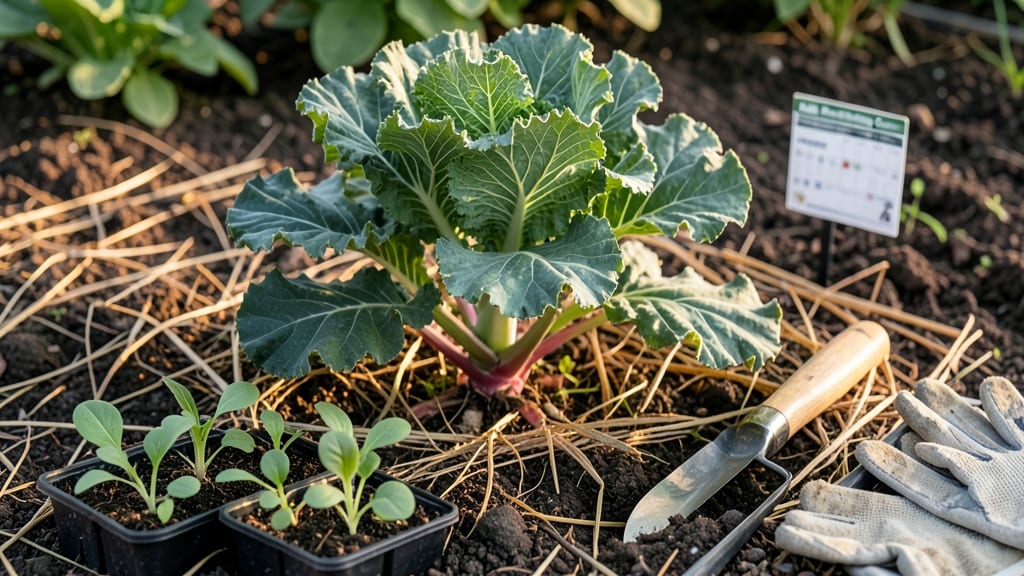
Planting a fall garden in Zone 7 starts now—between mid-August and early October—to beat frost and still harvest before winter 🌱.
Missed your spring planting window? Zone 7 gardeners can still grow a thriving fall harvest—but timing is everything. Plant too early, and frost will ruin your crops; too late, and they won’t mature before winter.
This guide breaks down the exact week-by-week deadlines for frost-sensitive crops like broccoli and kale, plus the fastest-maturing varieties for late September plantings.
You’ll learn how to adjust for local microclimates, extend the season with row covers, and create a continuous harvest with succession planting—no guesswork, just results.
Zone 7 fall planting deadlines by crop type: exact weeks to avoid frost damage
In Zone 7, fall gardening thrives when you align planting with frost-free windows. The average first frost date hovers around November 15, but microclimates can shift this by 2-3 weeks.
To maximize harvests, plant cool-season crops 4-6 weeks before frost—earlier for slow growers like broccoli and later for fast radishes or spinach. Use this schedule to avoid frost damage while extending your garden's productivity.
Your fall planting window in Zone 7 spans August through mid-October, but not all crops fit this timeline equally. Brassicas (like kale and cabbage) need 60-80 days to mature, while leafy greens (such as spinach or lettuce) thrive with just 30-45 days.
Root vegetables like carrots and beets fall in between, requiring 50-70 days. Below, I’ve mapped out the exact weeks to plant each crop type for a zero-frost-risk harvest.
🌱 Pro Tip: Use row covers or cold frames to extend harvests by 2-4 weeks beyond the first frost. These tools create a 5-10°F warmer microclimate, protecting tender greens and root crops until late November or early December.
For broccoli and kale, aim to plant by August 15 to ensure they mature before frost. These cool-season brassicas need 60-80 days to reach harvest, so late plantings risk stunted growth or bolting.
Start seeds indoors in early August, then transplant seedlings into well-draining soil with 18-24 inches of space between plants. Use compost-rich soil to boost nutrient uptake during cooler months.
If you’re growing leafy greens like spinach or arugula, your window is wider—plant from mid-August through early October. These fast growers (30-45 days) can handle light frosts, but a hard freeze (below 28°F) will kill them.
Extend harvests by sowing seeds every 2 weeks until September 15. For extra protection, use floating row covers to shield greens from black frost (a sudden, hard
How to calculate your local last frost date (even if your Zone 7 neighborhood varies)
Zone 7’s average first frost date of November 15th is just a starting point. Your neighborhood’s microclimates—like urban heat islands, elevation changes, or nearby lakes—can shift that date by 2-4 weeks. A black frost (radiation frost without wind) can strike even warmer areas, killing tender crops overnight.
To avoid disaster, I’ll show you how to pinpoint your exact last planting window using free tools and simple observations.
Start by checking the USDA Plant Hardiness Map for your exact location. While Zone 7 covers a wide range, cities like Atlanta and Charlotte can have 30°F differences in frost timing.
Next, visit your local weather station (like NOAA’s National Weather Service) for the last 10 years of frost records. Look for the earliest frost date in that period—this is your absolute cutoff for frost-sensitive crops like basil or cucumbers.
But here’s the catch: microclimates matter more than your ZIP code. A south-facing slope warms up faster, while a low-lying area stays colder. If you’re near a large body of water, expect 2-3°F warmer nights due to delayed cooling.
Urban areas? Pavement and buildings can trap heat, pushing frost dates 1-2 weeks later than rural zones. Use these adjustments to tweak your planting schedule.
- Step 1: Find your USDA Zone 7 sub-region (A vs. B) using the interactive map. Zone 7B (warmer) may have 10-14 days later frost than 7A.
- Step 2: Check NOAA’s frost history for your city. Note the earliest frost date in the last decade—this is your worst-case deadline.
- Step 3: Adjust for microclimates. Add 7-10 days if you’re in an urban heat island; subtract 5-7 days for valleys or shaded spots.
- Step 4: Use the 50°F soil temperature rule. Wait until soil temps drop below 80°F (use a soil thermometer) before planting cool-season crops.
- Step 5: Plant frost-tender crops (like tomatoes) 6-8 weeks before your adjusted frost date. For hardy greens (kale, spinach), wait until 4 weeks out.
- Step 6: Monitor the 10-day forecast in late September. If a cold snap is predicted, cover seedlings with row fabric or a cloche.
For example, if your local frost date is November 1st but you’re in a sunny urban pocket, you might safely plant bush beans until October 25th.
However, in a shaded backyard, pull that date back to October 15th. Black frost (when temps drop below 28°F without wind) is the real villain—it can kill crops overnight even if the official frost date is later.
Pro tip: Plant test rows of radishes or lettuce in late September. If they survive a light frost (28-32°F), your zone is warmer than average. If they bolt or die, adjust your schedule 1-2 weeks earlier.
This real-world test beats guesswork every time. For high-value crops like broccoli, err on the side of caution—plant 2 weeks before your calculated deadline.
Remember, fall planting isn’t one-size-fits-all. Even within Zone 7, elevation changes of 500 feet can shift frost dates by 10 days.
By combining USDA data, local weather records, and on-the-ground observations, you’ll create a custom planting calendar that keeps your garden thriving—no matter where you live in Zone 7. 🌿