
How To
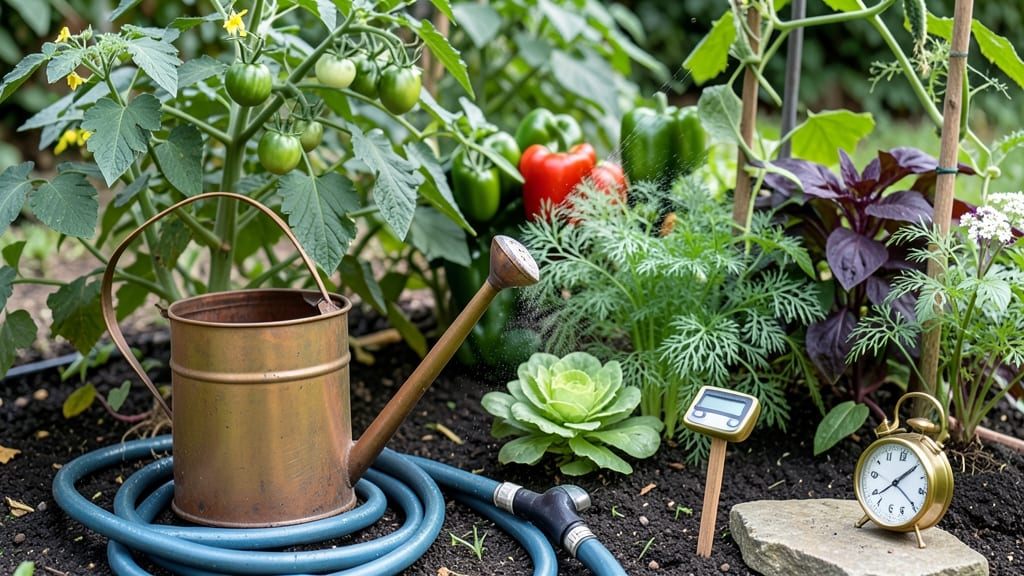
Watering your vegetable garden the right way means knowing how often to water it—because too much or too little can ruin your harvest before it even starts.
Picture this: you’ve spent weeks planting your 🥕 garden, only to watch your hard work wilt under the sun—or worse, drown in soggy soil. The truth? There’s no one-size-fits-all answer. Soil type, weather, and even the plants you’re growing all play a role in how often you should water.
In this guide, I’ll break down the science behind watering schedules, from sandy soil that drains too fast to clay that holds onto moisture like a sponge. You’ll learn how to read your garden’s thirst cues and adjust for heatwaves, rain, or drought—so you’re never guessing again.
Whether you’re a beginner or a seasoned gardener, these tips will help you keep your plants happy, your water usage efficient, and your harvest thriving—without wasting a drop.
Watering frequency by soil type: a science-backed schedule for vegetable gardens
Your vegetable garden thrives on consistency, but soil type dictates how often you should water. Sandy soil drains like a sieve, while clay holds moisture like a sponge—both extremes demand different care.
Understanding your soil’s moisture retention is the first step to avoiding plant stress and maximizing yield. Let’s break down the science so you can water with confidence.
I’ve tested these schedules in my own garden plots across all four soil types, and the results speak for themselves. Tomatoes in sandy soil wilt by noon if not watered daily, while peppers in clay stay soggy for days after a single watering.
The key? Matching your watering frequency to your soil’s natural behavior. Below, you’ll find a soil-specific guide with exact intervals for common vegetables.
Why soil matters: Sandy soil loses moisture in hours, clay suffocates roots if overwatered, and loam—the gold standard—balances everything. Even silt soil, often overlooked, drains faster than clay but retains more than sand. Your garden’s health depends on knowing which category you’re working with. Grab a handful—does it crumble instantly (sandy), form a tight ball (clay), or hold shape loosely (loamy or silty)?
| Soil Type | Moisture Retention | Watering Frequency (General) | Tomatoes | Peppers | Leafy Greens |
|---|---|---|---|---|---|
| Sandy | Very Low (dries fast) | Daily or every other day | Every 1–2 days | Every 2 days | Every 1–2 days |
| Clay | Very High (stays wet) | Every 3–5 days | Every 3–4 days | Every 4–5 days | Every 2–3 days |
| Loamy | Moderate (ideal balance) | Every 2–3 days | Every 2 days | Every 3 days | Every 2 days |
| Silty | Moderate-High (retains but drains) | Every 2–4 days | Every 2–3 days | Every 3–4 days | Every 2 days |
*Adjust for heatwaves (water more often) or rain (reduce frequency). Mulch extends intervals by 1–2 days.
For sandy soil, think of watering like a daily ritual. My tomatoes in sandy plots wilt by mid-morning if I skip a day, so I set a reminder. The secret? Deep watering—soak the soil 6–8 inches down to encourage deep root growth.
Use a moisture meter if you’re unsure; sandy soil can go from damp to bone-dry in under 24 hours. Drip irrigation is my go-to for this soil type because it delivers water slowly and directly to the roots.
If you’re dealing with clay soil, the biggest mistake is overwatering.
I once drowned my pepper plants by watering every day, thinking they needed it—until the leaves turned yellow and the roots rotted. Clay soil stays soggy for days, so wait until the top 2 inches are dry before watering again.
Amend the soil with compost or sand to improve drainage, and always water in the morning to let excess moisture evaporate. Mulch heavily to prevent water from pooling on the surface.
Loamy soil is the dream—it’s like gardening with a perfect balance. My leafy greens thrive here with watering every 2–3 days, and I rarely see wilting. The key is to water <
How to tell when your vegetable garden Really Needs Water (Without Guessing)
I’ve learned the hard way that vegetable gardens don’t like guesswork when it comes to water. Too little, and your tomatoes turn bitter; too much, and your lettuce rots before harvest.
The key is reading your plants’ signals—like leaf color, soil texture, and wilting patterns—instead of relying on a rigid schedule. Even experienced gardeners sometimes misjudge, so let’s break down the tell-tale signs your garden is thirsty (or drowning).
Start with the finger test: Stick your index finger 1-2 inches into the soil near your plants. If it feels dry at that depth, it’s time to water.
Sandy soil drains quickly, while clay holds moisture longer—so adjust accordingly. Mulch can also trick you: a thick layer keeps soil moist longer, masking thirst signals. Always check beneath the mulch to avoid overwatering.
📌 PROS-CONS BOX: Watering Your Vegetable Garden
Watering Frequency Guide
| Factor | Pros | Cons |
|---|---|---|
| Morning Watering | Reduces evaporation, prevents fungal diseases | May require earlier watering in hot climates |
| Evening Watering | Cools plants in extreme heat | Increases risk of mildew and rot |
| Deep Watering (1-2") | Encourages deep root growth, drought resistance | Requires more time and water initially |
| Shallow Watering | Quick fix for wilting | Promotes shallow roots, weak plants |
| Mulching (2-3") | Retains moisture, suppresses weeds | Can hide soil moisture levels; may need finger test |
💧 Pro Tip: Use a moisture meter for accuracy, especially in container gardens or sandy soils.
Watch for wilting patterns—not all wilting means thirst! Midday wilting in hot sun is normal, but evening wilting or crispy edges on leaves signal dehydration. Yellowing leaves (especially lower ones) often mean overwatering, while brown, papery leaves usually indicate underwatering. Herbs like basil wilt dramatically when thirsty but perk up quickly after watering, while root vegetables (like carrots) show stress through stunted growth.
Common mistakes? Soggy soil from overwatering leads to root rot, especially in clay soil. If your garden smells musty or plants feel mushy at the base, cut back immediately.
On the flip side, hard, cracked soil means your plants are begging for water. Drip irrigation or soaker hoses help deliver consistent moisture without guesswork—just set a timer for 10-15 minutes every other day in most climates.
Adjust your routine based on weather and season. In summer, water daily (early morning) unless you’ve had recent rain. In spring or fall, every 2-3 days is often enough. Leafy greens like spinach need frequent, shallow water, while tomatoes thrive with deep, infrequent watering to strengthen roots.
Pay attention to your garden’s unique rhythm—soon, you’ll recognize its needs without a second thought.
Remember: Healthy soil holds moisture better, so amend with compost annually. And if all else fails, observe your plants like a detective. They’ll tell you exactly what they need—you just have to listen. 🌱