
How To
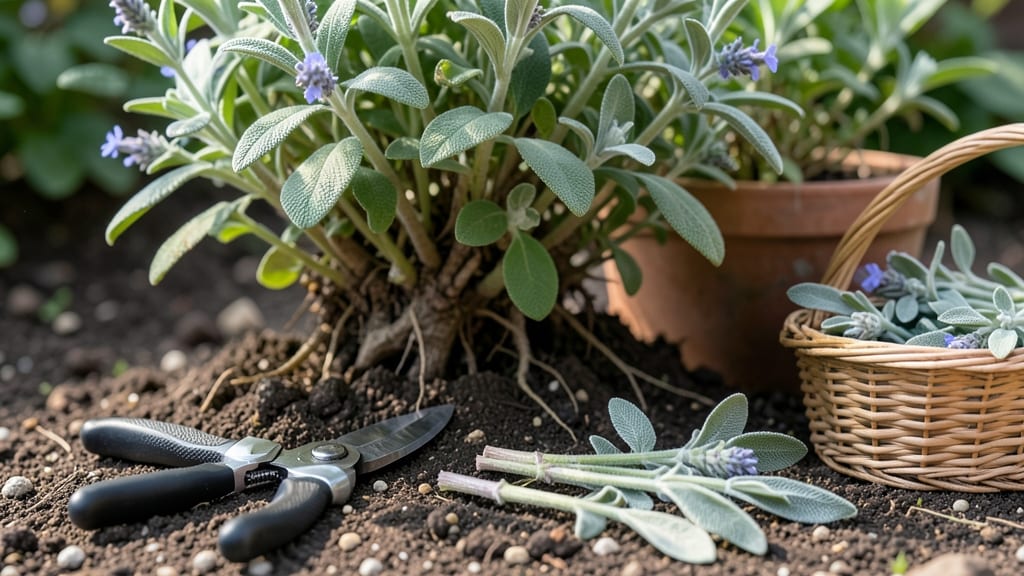
To harvest garden sage at its peak flavor, you’ll want to snip just before flowering when the leaves are fragrant and fully developed—this is the secret to that bold, earthy taste we all love.
Harvesting sage at the wrong time can turn your kitchen herb into a bitter disappointment. I’ve made that mistake more than once, and let me tell you, the difference between a perfectly timed harvest and one that’s too late is like night and day.
You don’t need fancy tools—just a sharp pair of pruning shears and a little patience. The key is cutting just above a leaf node to encourage bushier growth, and avoiding more than one-third of the plant at once. Trust me, your sage will thank you later.
In this guide, I’ll walk you through the exact steps, from spotting the perfect leaves to drying and storing your harvest so you can enjoy that rich sage flavor all year long.


When to harvest garden sage for maximum flavor and aroma
Harvesting garden sage at the perfect moment unlocks its boldest flavors and richest aromas. Unlike many herbs, sage’s taste intensifies when harvested young but before flowering.
Missing this window means bitter, woody notes instead of the earthy, piney aroma we love. The key? Understanding how seasonal changes and plant maturity affect its flavor profile.
Sage thrives in three prime harvest windows: early summer, mid-summer, and early fall. Each season offers slightly different flavors—spring harvests are delicate, summer is peak intensity, and fall delivers a deeper, slightly sweeter taste.
Ignoring these cues can turn your culinary herb into a bitter disappointment. Let’s break down the best times to harvest and what to look for.
🌿 Visual Cues Matter Most: Sage sends clear signals when it’s ready. Leaves should be fully developed, dark green, and emit a strong herbal scent when crushed. If stems feel woody but still flexible, that’s your perfect harvest window. Avoid harvesting when leaves are small or sparse—this means the plant isn’t mature enough for peak flavor.
| Harvest Window | Plant Stage | Leaf Characteristics | Flavor Profile | Best For |
|---|---|---|---|---|
| Early Summer (June) | Young growth, pre-flowering | Bright green, tender, 1-2 inches long | Mild, delicate, slightly sweet | Fresh cooking, salads, teas |
| Mid-Summer (July-August) | Mature, just before flowering | Dark green, fragrant, 2-3 inches long | Peak intensity, earthy, piney | Drying, culinary use, seasoning |
| Early Fall (September) | Late-season growth, post-flowering | Deep green, slightly woody, 3+ inches long | Rich, sweeter, deeper aroma | Long-term storage, winter dishes |
| Avoid Harvesting | After flowering, dormant winter | Yellowing, small, or woody leaves | Bitter, harsh, or muted flavor | N/A |
Did you know first-year sage produces the most tender leaves? Young plants (under 12 months old) have softer stems and milder flavors. Wait until they’re at least 6-12 inches tall before harvesting, but don’t let them flower—the moment buds appear, flavor declines rapidly.
For established plants (2+ years old), you can harvest twice per season: once in summer and again in fall.
Timing isn’t just about the season—it’s also about the time of day. Harvest garden sage in the morning after dew has evaporated but before the midday heat. Leaves contain the highest essential oils at this time, ensuring maximum aroma and flavor.
Avoid harvesting after rain or in the evening, as moisture can dilute the oils and attract pests.
Pro tip: Never harvest more than 1/3 of the plant at once. Over-harvesting stresses sage and can stunt future growth. Focus on outer stems first, leaving the center healthy for regrowth.
If you see new growth emerging after a harvest, that’s a sign your plant is recovering well and ready for another round in 4-6 weeks.
What if you miss the window? Don’t panic—fall harvests still yield great flavor, especially if you’re planning to dry or freeze the sage. The woody stems of older plants make excellent culinary bundles for soups and stews.
Just avoid harvesting after the first frost, as cold temperatures turn leaves yellow and bitter.
For container-grown sage, timing shifts slightly. Potted plants mature faster due to limited root space, so harvest 2-3 weeks earlier than in-ground varieties. Watch for crowded stems—this is your
Step-by-step guide to harvesting sage without damaging the plant
Harvesting garden sage correctly ensures you get the most flavorful leaves while keeping your plant healthy for future harvests. The key is to use the right cutting techniques and tools to avoid stressing the plant.
Whether you're harvesting for cooking or drying, follow these steps to maximize both yield and plant vitality.
Before you begin, gather your harvesting tools. A sharp pair of pruning shears or clean scissors is essential—dull tools crush stems and damage the plant. Avoid using your hands for larger harvests, as this can bruise the leaves.
Work on a dry, sunny morning when the essential oils in the leaves are most concentrated.
How to Harvest Sage Step-by-Step
- Step 1: Identify the right stems. Look for healthy, woody stems that are at least 6-12 inches tall. Avoid cutting stems with flowers, as this reduces flavor and can weaken the plant.
- Step 2: Cut just above a leaf node (the point where leaves grow). This encourages new growth from that spot. Use a 45-degree angle to prevent water from pooling on the cut.
- Step 3: Harvest no more than 1/3 of the plant at once. Over-harvesting stresses the sage and can reduce future yields. Focus on the outer stems first to allow inner growth to mature.
- Step 4: Leave at least 2-3 inches of new growth on the plant after cutting. This ensures the sage has enough energy to recover and produce more leaves.
- Step 5: Remove any yellow or damaged leaves immediately after harvesting. These can harbor pests or diseases and should not be used.
After harvesting, give your sage plant some post-harvest care to help it recover. Water the plant deeply to replenish moisture lost during cutting. Avoid fertilizing immediately after harvest, as this can burn the plant's roots. Instead, wait 2-3 weeks before applying a balanced fertilizer to encourage new growth.
If you're harvesting sage for long-term storage, bundle the stems and hang them upside down in a dry, dark place with good airflow. This method preserves the leaves' flavor and aroma for months.
For immediate use, store fresh sage in the refrigerator wrapped in a damp paper towel to maintain freshness.
With proper harvesting techniques, your sage plant will thrive and produce abundant, flavorful leaves season after season. Regular pruning also keeps the plant compact and bushy, making it easier to maintain and harvest in the future.