Watering
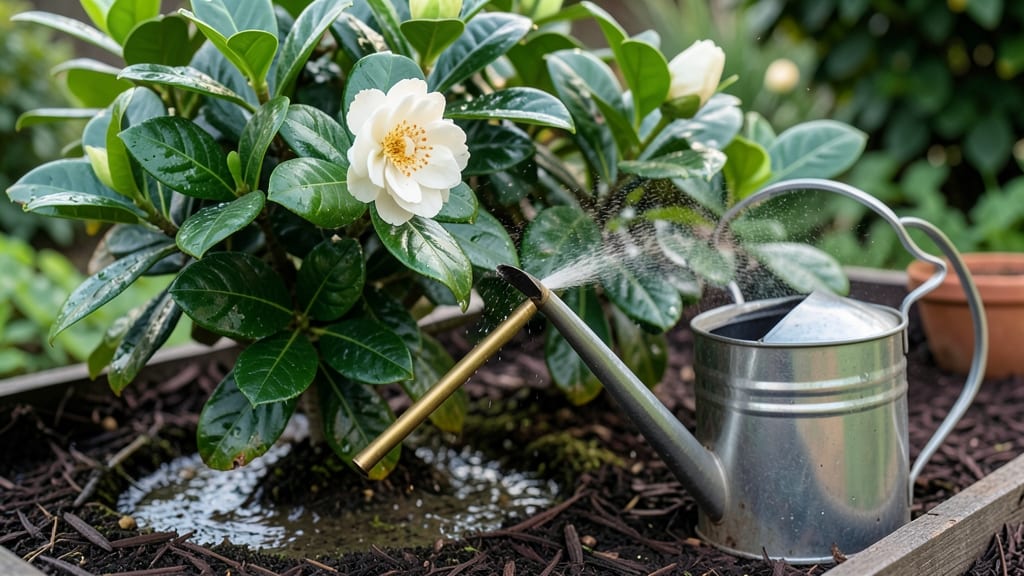
To water gardenias properly, focus on keeping the soil consistently moist—not soggy—while avoiding soggy roots that strangle those fragrant blooms.
Struggling to keep your gardenia blooming? The secret to vibrant flowers isn’t just about how much you water—it’s about when and how you do it. Master these moisture techniques to transform your struggling gardenia into a lush, fragrant centerpiece without drowning its delicate roots.
Gardenias thrive when their soil stays damp like a wrung-out sponge, but too much water leads to yellow leaves or worse—root rot. The key is morning watering, light but frequent checks, and adjusting for summer heat or winter dormancy.
Here’s how to nail the moisture balance: when to water, how deep, and what to watch for in the leaves. I’ll show you the easiest ways to keep your gardenia happy year-round.
The ideal watering schedule for gardenias: when and how often
Gardenias thrive on consistent moisture, but their delicate roots hate soggy soil. The key is watering deeply but infrequently, letting the top 1-2 inches of soil dry between sessions.
Overwatering causes root rot, while underwatering leads to wilting and bud drop—both ruin those famous fragrant blooms. Let’s break down the science-backed schedule tailored to your climate and soil.
Your gardenia’s water needs shift dramatically with seasonal changes. In summer’s heat, you’ll water daily, while winter’s chill may require only monthly checks. Humidity also plays a role: High humidity means less frequent watering, while dry air demands more attention.
Always check soil moisture before watering—stick your finger 1-2 inches deep; if it feels dry, it’s time.
Morning watering is ideal because it allows foliage to dry before nightfall, reducing fungal risks. The evening watering debate is real: wet leaves overnight can trigger powdery mildew or bacterial spots. If you must water in the evening, use a soaker hose to deliver water directly to the soil, not the leaves.
Soil type dramatically affects how often you water. Sandy soil drains quickly, needing daily checks in summer, while clay soil holds moisture longer, requiring watering every 3-4 days. Loamy soil (the gold standard) balances drainage and retention, typically needing water every 2-3 days in peak season.
Always amend your soil with organic matter to improve structure.
Visual cues are your best friends. Healthy gardenias have deep green leaves and firm stems. Wilting in the afternoon is normal, but if leaves stay droopy even after watering, you’re underwatering. Yellowing leaves or mushy stems signal overwatering. Adjust your schedule based on these signs, not just a rigid calendar.
| Season | Frequency | Soil Check | Best Time | Notes |
|---|---|---|---|---|
| Spring | Every 2-3 days | Top 1" dry | Morning | Increase as temps rise |
| Summer | Daily (sandy soil) | Top 1-2" dry | Early morning | Use mulch to retain moisture |
| Fall | Every 3-4 days | Top 2" dry | Morning | Reduce as temps drop |
| Winter | Every 7-10 days | Top 3" dry | Occasional check | Avoid soggy soil |
| High Humidity | Reduce by 30% | Top 2-3" dry | Morning | Monitor leaf curl |
For container-grown gardenias, watering needs are more frequent because pots dry out faster. Check soil moisture daily in summer—if the top ½ inch feels dry, it’s time.
Use well-draining pots with drainage holes, and never let your gardenia sit in standing water. A self-watering pot can help maintain consistent moisture without overwatering.
Humidity levels can trick you into overwatering. In humid climates (like Florida or Louisiana), gardenias may need 30% less water than in dry regions. Watch for leaf curl or yellowing edges, which often signal excess moisture in humid conditions. If your gardenia is dropping buds despite regular watering, it might be stressed from too much humidity—improve airflow by pruning
5 Common watering mistakes that kill gardenias (and how to fix them)
Gardenias thrive on consistent moisture, but even well-intentioned gardeners often make critical watering errors. I’ve watched yellow leaves and drooping blooms signal distress—usually from overwatering or underwatering.
The key is balance: too little causes wilting, while too much suffocates roots. Let’s diagnose the symptoms and fix them before your gardenia’s health declines further.
First, recognize that gardenias hate soggy soil. Their roots need oxygen, and excessive moisture blocks it, leading to root rot—a silent killer. I’ve seen gardeners drown their plants by watering on a strict schedule without checking soil conditions.
Instead, focus on soil moisture as your guide, not a calendar. Stick your finger 2 inches deep; if it’s dry, water. If damp, wait.
⚠️ callout-warning ⚠️
🚨 Warning: Overwatering vs. Underwatering
Mistake: Watering when soil is already moist or using poor drainage soil.
Fix: Use well-draining soil (sandy loam) and water only when top 1-2 inches are dry. Morning watering prevents fungal growth.
Signs: Yellow leaves, brown leaf edges, or leaf drop.
Action: Adjust frequency and check pots for drainage holes. If root rot is suspected, trim affected roots and repot.
One of the most common mistakes is watering at night. While it might seem logical to hydrate plants when it’s cooler, evening watering encourages fungal diseases like powdery mildew. I always water my gardenias in the early morning (6–9 AM) to give foliage time to dry.
If you must water in the evening, do it by 6 PM and avoid wetting leaves to reduce risk.
Another red flag is inconsistent watering. Gardenias despise dry spells followed by deep soaking. I’ve seen gardeners skip watering for a week, then drown the plant to "catch up." This shock causes bud drop and stress.
Instead, aim for 1–2 inches of water per week, adjusting for rain. Use a moisture meter or the finger test to monitor levels accurately.
For potted gardenias, small containers dry out faster. I repotted mine into 12-inch pots with drainage holes to prevent root suffocation. If your gardenia’s soil stays wet for more than 2 days, it’s a sign of overwatering.
Let the top layer dry between waterings, and consider adding perlite or orchid bark to improve drainage.
Finally, hard water can build up salts in the soil, harming roots over time. If your tap water is hard, collect rainwater or use distilled water for potted gardenias.
Flush the soil occasionally with clean water to leach out excess salts. A simple fix like this can revive a struggling plant and prevent long-term damage.