
Tools
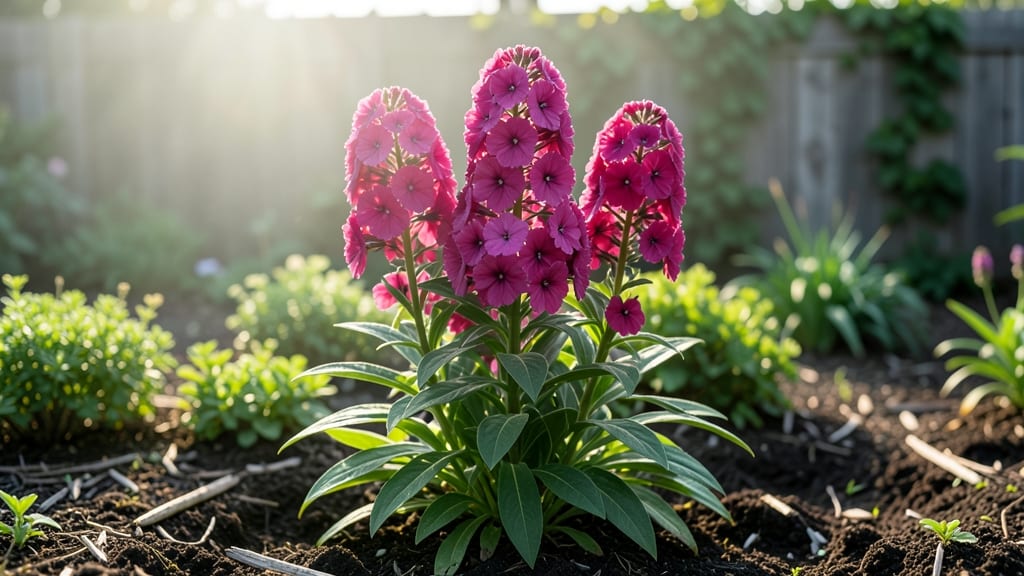
Growing the tallest garden phlox 🌸 varieties means transforming your garden into a vertical floral masterpiece, with stems stretching up to 6 feet and blooms that last for weeks.
If you dream of towering floral displays that command attention, the right varieties and care techniques are the key. Imagine phlox reaching higher than your mailbox, their clusters of blooms swaying in the breeze—this isn’t just a possibility, it’s achievable with the right approach.
From choosing the perfect cultivars like 'David' or 'Lipstick' to mastering soil prep, sunlight, and pruning, we’ll cover everything you need to coax those stems skyward. No more floppy stems or underwhelming heights—just dramatic, eye-catching blooms that turn heads.
Ready to unlock the secrets of maximum height? You’ll learn how to space plants for airflow, stake them like a pro, and feed them just enough to fuel their growth—without overdoing it. Let’s grow those phlox taller than ever before!
Top 5 tallest garden phlox varieties with stunning height records
If you're chasing those eye-catching vertical gardens with bold floral statements, the tallest garden phlox varieties deliver 4 to 6 feet of vibrant blooms that turn heads. These height champions thrive with proper care, transforming any landscape into a floral masterpiece.
Let's explore the top 5 tallest cultivars that will make your garden the talk of the neighborhood.
Selecting the right tall phlox varieties means considering mature height, bloom color, and growing conditions to achieve maximum vertical growth. Whether you prefer deep purples, soft pinks, or vibrant reds, these varieties promise dramatic displays that last for weeks.
Here’s what you need to know before planting.
'David' stands out as the tallest phlox variety, reaching an impressive 5 to 6 feet with deep purple blooms that attract hummingbirds. This hardy perennial thrives in USDA zones 3-8 and loves full sun exposure.
To maximize its height, plant it in well-draining soil enriched with organic compost and space it 24 inches apart for optimal air circulation.
'Blue Moon' offers a softer aesthetic with lavender blooms that create a dreamy garden backdrop. This variety grows 4 to 5 feet tall and adapts well to part shade, making it ideal for woodland gardens or morning sun locations.
Its fragrant blooms add a sensory delight to your outdoor space.
'Lipstick' delivers a bold pop of color with crimson red flowers that stand out against green foliage. This heat-tolerant cultivar reaches 4 to 5 feet and thrives in full sun, making it perfect for southern gardens.
To encourage vertical growth, stake the stems early in the season and deadhead regularly to prolong blooming.
'Miss Wilmot' charms with pink blooms edged in white, creating a romantic garden feel. This versatile variety grows 4 to 5 feet tall and tolerates part shade, making it a low-maintenance option for shadier areas.
Its compact growth habit also works well in container gardens with proper support.
'Blue Giant' is a classic tall phlox with deep blue flowers that create a cool-toned statement. While slightly shorter at 3 to 4 feet, its dense blooms make it a showstopper in mixed borders.
This variety thrives in full sun and well-drained soil, requiring minimal staking if planted in sheltered locations.
For all these tall phlox varieties, proper sunlight is critical—aim for 6+ hours of direct sun daily to achieve maximum height. Rich, moist soil with good drainage will also encourage strong stem development. Remember to mulch around the
Proven spacing and staking techniques for extra-tall phlox blooms
Achieving the tallest garden phlox blooms requires more than just selecting the right variety—it’s all about creating the perfect growing environment. When phlox stems reach 4 to 6 feet, they need proper support and airflow to prevent flopping and maximize vertical growth.
The key lies in two critical techniques: optimal spacing and strategic staking. These methods ensure your phlox thrives without sacrificing flower density or risking weak stems.
Many gardeners make the mistake of crowding their phlox, thinking more plants mean more blooms. However, overcrowding leads to poor air circulation, increasing the risk of fungal diseases like powdery mildew.
Instead, spacing your plants 18 to 24 inches apart allows sunlight to reach all stems and encourages stronger, taller growth. This spacing also makes staking easier and more effective, as you’ll have room to maneuver without disturbing neighboring plants.
Now, let’s dive into the step-by-step process to ensure your tallest garden phlox reaches its full potential with minimal flopping and maximum bloom density.
Step-by-Step Guide to Spacing and Staking Tall Phlox
-
Step 1: Choose the Right Location
Select a spot with full sun exposure (6+ hours daily) and well-draining soil. Amend heavy clay soil with compost to improve drainage and aeration. -
Step 2: Space Plants Correctly
Dig holes 18 to 24 inches apart to allow airflow and prevent overcrowding. This spacing ensures stems have room to grow vertically without competing for nutrients. -
Step 3: Plant Deeply for Stability
Bury the phlox stems one-third deeper than their current height. This encourages stronger root development and better support for tall stems. -
Step 4: Install Stakes Early
Before planting, insert decorative stakes or trellises (3-4 feet tall) beside each plant. Use bamboo stakes or metal garden supports for durability and aesthetics. -
Step 5: Tie Stems Gently
As stems grow, loosely tie them to stakes using soft plant ties or cloth strips. Avoid tightening too much to prevent stem damage. Re-tie every 2-3 weeks as growth occurs. -
Step 6: Prune for Airflow
Remove any weak or crossing stems early in the season. This reduces competition for nutrients and improves air circulation, which is crucial for tall phlox health. -
Step 7: Mulch and Water Consistently
Apply 2-3 inches of mulch around the base to retain moisture and regulate soil temperature. Water deeply every 3-5 days during dry spells to keep stems sturdy.
Staking tall phlox isn’t just about preventing flopping—it’s also an opportunity to enhance your garden’s vertical appeal. Decorative stakes or trellises can double as focal points, especially when paired with vibrant phlox blooms.
For example, using bamboo stakes painted in garden-friendly colors blends seamlessly with your landscape while providing functional support. Alternatively, a lightweight trellis can create a stunning backdrop for phlox varieties like 'David' or 'Blue Giant,' which naturally lean toward vertical growth.
One common mistake is waiting until stems are already flopping to stake them. By then, the damage is done, and stems may not recover their upright form. Instead, preemptive staking—installing supports as soon as plants are 12 inches tall—gives you control over their growth direction.
This proactive approach ensures your phlox maintains its 4 to 6-foot stature without bending or breaking under the weight of blooms.
For gardeners with limited space, consider using espalier techniques or vertical planters. These methods allow you to grow tall phlox varieties in smaller areas while still achieving dramatic height.
Just ensure your containers have adequate drainage and depth (at least 12 inches deep) to accommodate the plant’s robust root system. With the right spacing and staking, even container-grown phlox can reach impressive heights!