
Tools
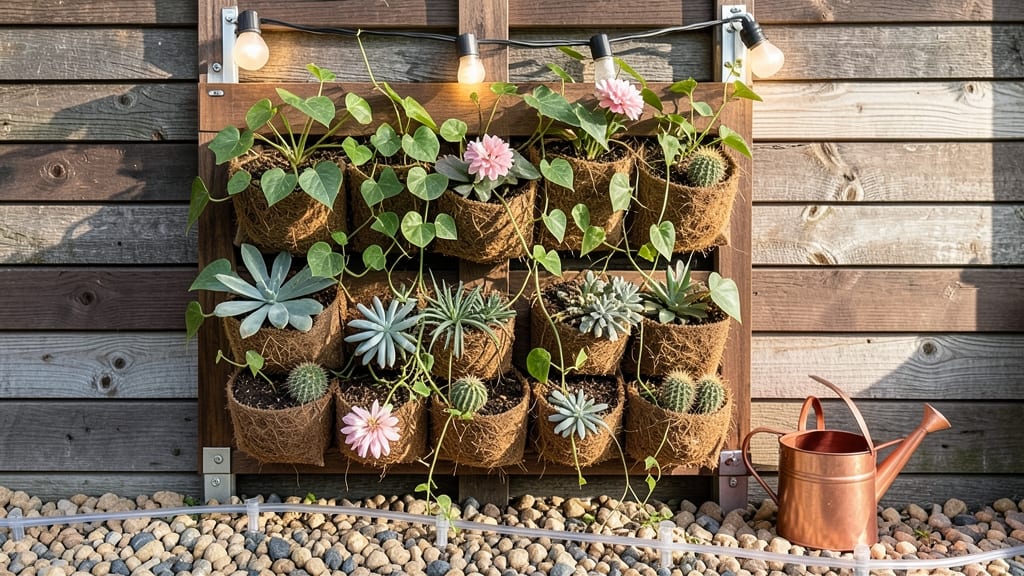
An outdoor wall garden turns dead space into a thriving green oasis—no matter how small your balcony or yard.
Picture this: your tiny patio bursting with fragrant herbs, trailing flowers, and even fresh veggies, all without crowding your limited space. The secret? Vertical gardening that maximizes every inch while keeping maintenance simple and stylish.
Whether you’re working with a sun-drenched south wall or a shady corner, the right setup lets you grow more with less. From modular pockets to climbing trellises, we’ll show you how to choose plants, structures, and layouts that fit your space—and your lifestyle.
Ready to ditch the dirt and grow upward? I’ll walk you through space-saving designs, plant pairings that thrive together, and tips to keep your wall garden lush all season long.
10 Creative outdoor wall garden layouts for small spaces
If you're working with limited outdoor space, vertical gardening is your best friend. I've designed 10 space-saving wall garden layouts that fit balconies, patios, and small yards while maximizing greenery. Each layout balances aesthetics, functionality, and plant compatibility, so you get both beauty and bounty—without sacrificing square footage.
Whether you're growing herbs, flowers, or vegetables, these designs use modular systems, tiered shelves, and cascading pockets to create lush vertical displays. I've included real-world dimensions and material recommendations to help you visualize and build your dream setup. Let's dive into the best options for your space!
Comparison Table: Outdoor Wall Garden Layouts
My favorite layout for beginners is the tiered wooden shelves because it's customizable and works for almost any plant. I recommend using cedar planks for durability and natural resistance to rot. For each shelf, I suggest 6-inch deep pots to accommodate root growth while keeping the weight manageable.
Place herbs like basil and thyme on the top shelves where they’ll get the most light, and succulents or lettuce on the lower shelves for partial shade.
If you love the look of soft, flowing greenery, the hanging fabric pockets are perfect. These pockets are lightweight and can be easily rearranged. I’ve used them to grow strawberries and nasturtiums, which trail beautifully and add color to any space.
For best results, hang them 12-18 inches apart to allow airflow and prevent overcrowding. Use coco coir pockets for their breathability and moisture retention.
For those who want a low-maintenance, high-yield option, the modular pallet garden is a game-changer. I’ve seen this design transform plain walls into productive gardens in just a few hours. Start with a 4-foot wooden pallet and line it with landscape fabric to prevent soil from spilling.
Plant tomatoes, peppers, and marigolds in the center for a mix of edibles and pollinator-friendly flowers. This layout works well in full sun to partial shade, making it versatile for different outdoor conditions.
If you're dreaming of a romantic, vine-covered wall, the cascading trellis system is ideal. I’ve used metal trellises for their strength and rust-resistant properties. Plant cucumbers, beans, or climbing roses at the base, and watch them grow upward and outward in a stunning display.
This design requires more vertical space—at least 5 feet tall—but the payoff in both beauty and harvest is worth it. For extra support, add horizontal wires every 18 inches to guide the vines.
For small balconies or urban patios, the stacked plastic crates are a practical choice. They’re affordable, lightweight, and easy to move if needed. I’ve used them to grow chives, violets, and mint, which thrive in the shallow soil of crates.
Stack them no higher than 3 feet to avoid stability issues, and secure them with sturdy brackets. This layout is perfect for partial shade and adds a modern, industrial touch to your space.
When choosing materials, always prioritize durability and drainage. For wooden structures, cedar or redwood resist moisture and pests, while plastic or metal
How to choose plants for your outdoor wall garden
Selecting the right plants for your outdoor wall garden is all about balancing space efficiency, sunlight needs, and growth habits. Since vertical gardens have limited root space, prioritize compact varieties that thrive in containers.
I focus on plants that offer both aesthetic appeal and practical yields, whether edible or ornamental.
Start by assessing your wall’s sunlight exposure. Most herbs and vegetables need 6+ hours of direct sun, while flowers and ferns often thrive in partial shade (3-6 hours). My go-to rule: group plants with similar light needs together to simplify care and maximize growth.
Here’s a quick reference for ideal plants based on your wall’s conditions:
| Plant Type | Sunlight Needs | Water Needs | Mature Size | Best For |
|---|---|---|---|---|
| Succulents (e.g., Sedum, Echeveria) | Full Sun | Low | 6–12 inches | Drought-resistant walls |
| Herbs (e.g., Basil, Thyme, Mint) | Full Sun to Partial Shade | Medium | 1–2 feet | Edible yields, aromatic foliage |
| Trailing Flowers (e.g., Petunias, Nasturtiums) | Partial Shade | Medium-High | 1–3 feet | Colorful cascades |
| Climbing Veggies (e.g., Pole Beans, Cucumbers) | Full Sun | High | 4–8 feet | Productive vertical harvests |
| Ferns (e.g., Boston Fern, Maidenhair) | Partial Shade | High | 1–3 feet | Lush greenery, shade lovers |
For full-sun walls, I recommend compact tomatoes (like 'Tiny Tim') or pepper varieties (e.g., 'Lunchbox'). These thrive in pockets and produce abundant yields without sprawling. Pair them with dwarf citrus trees (like 'Calamondin') for a dual-purpose display that’s both functional and decorative.
If your wall gets partial shade, opt for trailing plants like strawberries or creeping thyme. These spread beautifully over edges and add texture while requiring minimal maintenance. I’ve found that self-watering pockets work wonders for these, as they keep roots consistently moist without overwatering.
Don’t overlook climbing plants like jasmine or clematis for adding height and fragrance. They’re perfect for taller sections of your wall and attract pollinators, boosting your garden’s ecological benefits. Just ensure your wall has sturdy trellising to support their weight as they grow.
My final tip: mix edible and ornamental plants for a wall that’s as beautiful as it is productive. For example, plant edible flowers like nasturtiums alongside basil—the contrast adds visual interest while keeping your harvests close at hand. Regularly prune trailing varieties to encourage bushier growth and prevent overcrowding.