
Blooming
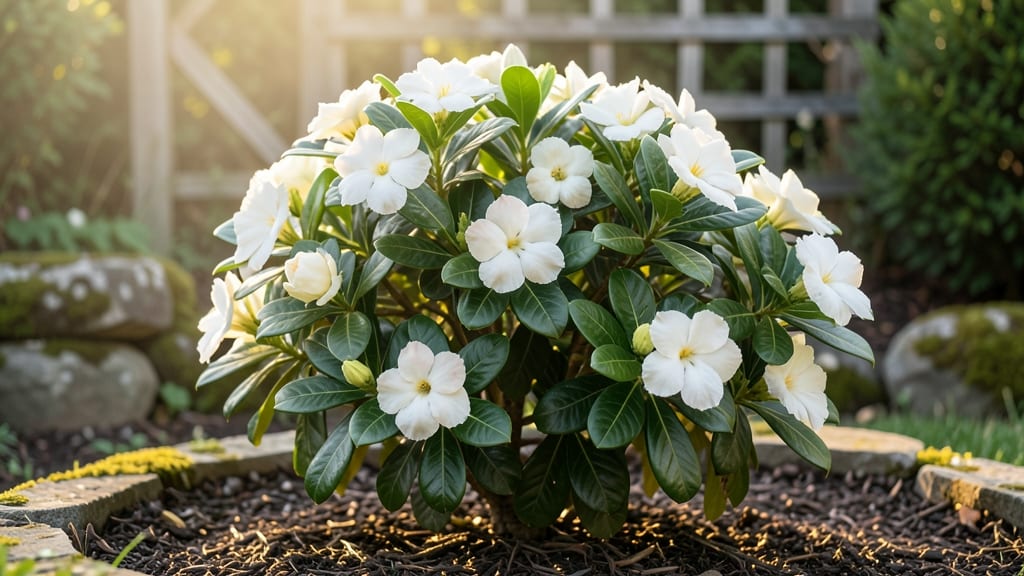
Gardenia flowers bloom in late spring through summer 🌸, with timing that shifts dramatically depending on your climate zone and the specific variety you’re growing.
If you’ve ever wondered why your gardenia plant isn’t blooming—or when to expect those fragrant white flowers—timing is everything. Gardenias follow strict seasonal cues based on your climate zone, and knowing the exact months they’ll flower can mean the difference between a showstopping display and empty branches.
In USDA Zone 6a, where many gardeners struggle with cooler springs, blooms typically start in June and stretch into early September. But in warmer zones like Zone 9 or 10, you might see flowers as early as April—or even year-round in tropical climates.
The key? Understanding how temperature, daylight, and care habits influence your plant’s schedule.
Below, I’ll break down the exact months gardenias flower by zone, share variety-specific timelines, and reveal the simple tricks to coax earlier—or longer—blooms. Whether you’re in a chilly northern garden or a balmy southern one, you’ll know exactly when to expect (and how to encourage) those iconic, fragrant blooms.
Gardenia flowering months by USDA hardiness Zone: a complete guide
Understanding your USDA hardiness zone is key to predicting when your gardenias will burst into bloom. These fragrant shrubs thrive in Zones 7 through 11, but their flowering windows shift dramatically depending on whether you're in a cooler coastal zone or a hot tropical climate.
In Zone 7, expect blooms to arrive later in the season, while Zone 11 gardenias may flower year-round with proper care.
Gardenias respond to daylight hours and temperature shifts—typically blooming when days lengthen in spring and temperatures stabilize above 60°F (15°C). The peak flowering period usually occurs during late spring to early summer, but regional variations can push blooms into early fall in warmer zones.
Let's break down the exact months for each zone.
🌸
| USDA Zone | Early Blooms | Peak Blooms | Late Blooms | Notes |
|---|---|---|---|---|
| Zone 7 | Late May | June - July | Early August | Cooler nights delay blooms; needs winter protection |
| Zone 8 | Early May | May - June | July | Extended blooming with afternoon shade |
| Zone 9 | April | April - May | June | Year-round blooms possible with consistent care |
| Zone 10 | March | March - April | May - June | Multiple bloom cycles; heat-tolerant varieties preferred |
| Zone 11 | Year-round | Year-round | Year-round | Tropical varieties like G. augusta bloom continuously |
In Zone 7, gardenias wait until late spring to bloom because cooler temperatures slow their growth. The peak flowering period stretches from June through July, with some late bloomers appearing in early August.
If you're in this zone, provide winter mulch to protect roots and encourage earlier spring blooms next year.
Gardeners in Zone 8 enjoy an earlier show, with blooms starting as early as May and continuing through June. The key to extending this flowering window is maintaining consistent moisture and providing afternoon shade during hot spells. Without these conditions, buds may drop before opening fully.
Zones 9 through 11 offer the most flexibility for gardeners. In Zone 9, blooms begin in April and can continue through June, while Zone 10 gardenias often produce two bloom cycles—one in spring and another in early summer.
The real magic happens in Zone 11, where tropical varieties like Gardenia augusta can flower continuously with proper care.
Daylight hours play a crucial role in triggering blooms. Gardenias are short-day plants, meaning they respond to decreasing daylight in late summer and fall. This explains why you might see a second flush of blooms in Zone 9 and 10 during late summer if conditions are ideal.
To encourage this, avoid heavy pruning in early summer, as new growth requires energy for next year's blooms.
Temperature also influences flowering. Gardenias need warmth to set buds but can't tolerate extreme heat. In Zone 10 and 11, afternoon shade becomes essential during peak summer months to prevent bud drop.
If you notice buds forming but not opening, it's often a sign of heat stress or low humidity—both common in inland areas of these zones.
For gardeners in cooler microclimates within warmer zones (like high-altitude areas of Zone 9), blooms may arrive later than the table suggests. Pay attention to your last frost date and adjust expectations accordingly.
If your gardenia isn't blooming by the expected time, check for nutrient deficiencies or root bound conditions, both of which can delay flowering.
🌿
Top 5 gardenia varieties and their unique flowering times
Gardenias are prized for their intense fragrance and glossy blooms, but not all varieties flower at the same time. The timing of gardenia blooms depends on the specific variety, with some bursting into flower in early spring and others lingering into fall.
Choosing the right type for your climate and bloom preferences can transform your garden into a year-round fragrant paradise.
From the classic G. jasminoides to the lesser-known G. florida, each gardenia variety has its own unique flowering window and care requirements. Understanding these differences helps you select plants that will extend your blooming season and maximize fragrance. Let’s explore the top five varieties and their exact bloom periods.
| Variety | Primary Bloom Time | Fragrance Intensity | Care Tip for Extended Blooms |
|---|---|---|---|
| G. jasminoides | Late spring to early summer (May-June) | Strong, sweet, jasmine-like | Prune lightly after blooming to encourage reblooming |
| G. radicans | Mid-summer to early fall (July-August) | Moderate, citrusy notes | Plant in full sun for prolonged flowering |
| G. augusta | Early summer to late summer (June-August) | Very strong, tropical scent | Maintain soil pH at 6.0-6.5 for optimal blooms |
| G. florida | Year-round in tropics, spring-fall elsewhere (March-October) | Mild, floral | Provide consistent moisture and humidity |
| G. fortuniana | Late spring to early summer (May-June) | Strong, sweet, long-lasting | Fertilize with high-phosphorus feed in early spring |
The G. jasminoides, often called the common gardenia, is the most popular choice for late spring blooms and thrives in USDA Zones 7-11. Its intense jasmine-like fragrance makes it ideal for hedges or container gardens.
To extend its blooming season, prune lightly after the first flush of flowers and avoid heavy fertilizing in fall.
For those who love summer-long blooms, G. radicans is a standout with its citrusy undertones. This variety often blooms from July through August and does best in full sun.
If you’re in a warmer climate, like Zone 10 or 11, you might even see a second bloom in fall.
If you’re dreaming of a tropical garden vibe, G. augusta delivers with its large, fragrant blooms that appear from June to August. This variety loves acidic soil and high humidity, making it perfect for coastal gardens or greenhouses.
To keep it flowering, maintain consistent moisture and avoid letting the soil dry out completely.
The G. florida variety is a hidden gem for those in tropical or subtropical climates, as it can bloom year-round. In cooler climates, it still produces flowers from spring through fall.
Its milder fragrance makes it a great choice for cut flowers or indoor arrangements. To encourage continuous blooming, keep it in a humid environment and avoid drafty conditions.
Finally, G. fortuniana is a lesser-known variety with long-lasting blooms that appear in late spring. Its strong, sweet scent is perfect for perfume gardens.
To maximize its flowering, fertilize with a high-phosphorus feed in early spring and prune lightly after blooming to shape the plant without removing too many buds.