
Tools
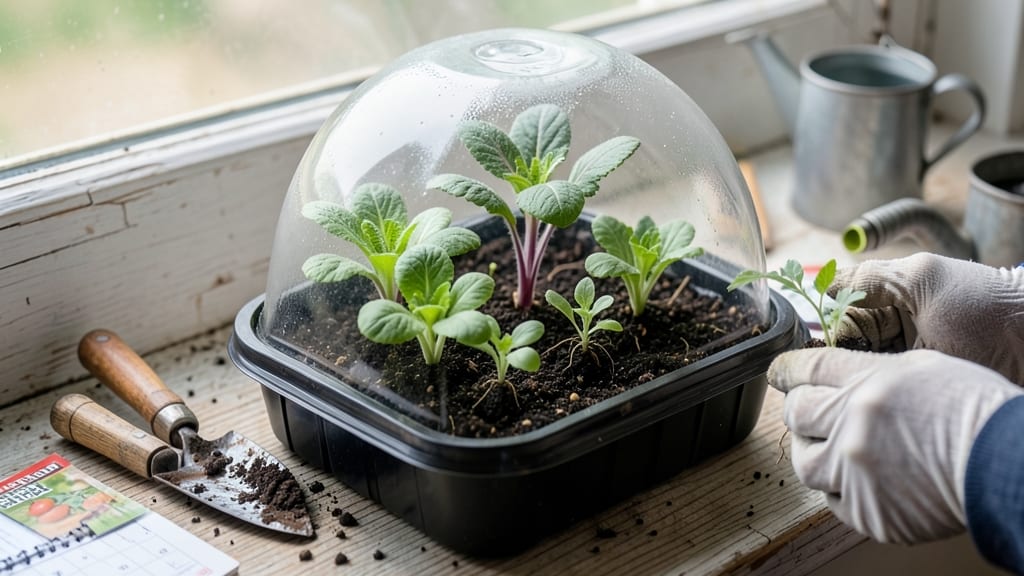
The best time to start a vegetable garden depends on your USDA zone and whether you're planting cool-season or warm-season crops 🌱—but getting it right means fewer pests, faster growth, and a harvest you can actually enjoy.
Planting your vegetable garden at the wrong time can mean stunted growth, pest attacks, or even total crop failure—but knowing your USDA zone and seasonal deadlines can turn your garden into a thriving success story.
In Zone 6a, like many gardeners, your window runs from early spring to late summer, but timing varies wildly between crops like lettuce (which loves cool weather) and tomatoes (which need heat to set fruit).
Below, I’ll break down the exact deadlines by region, how to adjust for early/late seasons, and the three biggest mistakes that waste your growing time—so you can plant with confidence and skip the guesswork.
USDA Zone deadlines: when to plant vegetables by region
Timing is everything in gardening, especially when it comes to planting vegetables. Cool-season crops like spinach and broccoli thrive in spring and fall, while warm-season crops such as tomatoes and peppers need summer's heat to flourish.
But without knowing your USDA zone and local frost dates, you risk planting too early or too late—and ending up with sad, wilted plants instead of a bountiful harvest.
Your USDA zone determines your last frost date, which is the critical deadline for planting many vegetables. For example, in Zone 5, you might plant cool-season crops in early spring, while in Zone 9, you could start them in late fall.
Below, I’ve broken down the best planting windows for both cool-season and warm-season crops by region, so you can plan your garden like a pro.
| USDA Zone | Cool-Season Crops (Spinach, Broccoli, Peas) | Warm-Season Crops (Tomatoes, Peppers, Cucumbers) | Last Frost Date |
|---|---|---|---|
| Zones 3-4 | Plant 4-6 weeks before last frost (March-April) | Plant after last frost (May-June) | Mid-April to early May |
| Zones 5-6 | Plant 4-6 weeks before last frost (April-May) | Plant after last frost (late May-June) | Mid-April to early May |
| Zones 7-8 | Plant 6-8 weeks before last frost (September-October for fall) | Plant after last frost (April-May) | Mid-March to early April |
| Zones 9-10 | Plant in fall (August-September) or spring (February-March) | Plant after last frost (March-April) | Late January to early February |
For cool-season crops, aim to plant 4-8 weeks before your last frost date. This gives seedlings enough time to establish roots before the ground freezes.
In Zones 3-4, for example, you’ll likely start planting in March or early April, while in Zones 9-10, you can plant in fall or early spring to avoid summer heat stress.
Warm-season crops, on the other hand, need soil temperatures above 60°F and consistent warmth. In colder zones like Zones 3-5, wait until late May or early June to plant tomatoes, peppers, and cucumbers.
In warmer zones like Zones 7-10, you can start as early as March or April, but be prepared to use row covers if frost is still a risk.
Pro tip: Use a soil thermometer to check if your soil is warm enough for warm-season crops. Most need temperatures between 60-70°F to germinate properly. If your soil is still chilly, consider starting seeds indoors or using black plastic mulch to warm the soil faster.
Don’t forget about fall planting for cool-season crops! In Zones 5-8, you can often plant a second round of greens like spinach and kale in late summer or early fall, giving you a harvest before winter sets in.
Just make sure to plant 6-8 weeks before your first frost date to avoid bolting or freezing.
If you’re unsure about your last frost date, check the National Oceanic and Atmospheric Administration (NOAA) website or use a frost date calculator for your specific location. Many garden centers also provide local frost date guides, so don’t hesitate to ask!
By following these zone-specific deadlines, you’ll maximize your garden’s potential and enjoy fresh, homegrown vegetables all season long. Happy planting! 🌱
How to adjust planting times for early or late seasons
Even with the best USDA zone knowledge, early frosts or late heatwaves can throw off your planting schedule. The good news? With the right season-extending tactics, you can push your growing season earlier or later by weeks—or even months.
I’ve used these methods in my own Zone 6a garden to grow tomatoes in May and kale in October.
Start by identifying your local frost dates—not just the average ones. Check your microclimate (valleys hold cold air, hills warm up faster) and use historical weather data from your county extension office. Then, pick 2-3 tactics from the list below to match your climate challenges.
🌱 5 Proven Tactics to Extend Your Growing Season
- Cold Frames: Add 10-15°F protection for early spring/fall crops. Place over seedlings to start 2-3 weeks earlier or harvest 4-6 weeks later.
- Row Covers: Lightweight fabric raises soil temps by 5-8°F. Use for cool-season crops like lettuce in Zone 4 to plant 6 weeks before last frost.
- Succession Planting: Stagger plantings every 2-3 weeks for continuous harvests. Example: Sow bush beans in May, June, and July in Zone 7.
- Heat-Tolerant Varieties: Swap standard tomatoes for 'Heatmaster' or 'Solar Fire'—they thrive in 90°F+ temps when regular varieties bolt.
- Seasonal Swaps: Replace frost-sensitive cucumbers with kale or spinach in late summer for a fall harvest before first frost.
For early-season starts, combine cold frames with row covers. I’ve seen peas and spinach germinate in Zone 5 when soil temps hit 40°F using this combo. Just remove covers during the day to prevent overheating.
In late-season gardens, focus on heat-tolerant varieties and succession planting. My Okinawa sweet potatoes thrive in 95°F when regular varieties fail. Pair them with shade cloth (30% block) to protect leafy greens from bolting.
Don’t forget to adjust watering with extended seasons. Early starts need gentle morning watering to prevent frost damage, while late-season crops may need evening water to cool roots in 100°F+ heat. Use a soil thermometer to guide decisions.
With these tactics, my growing season now stretches from March to November—double the harvest! The key is testing small-scale first: try one method per season before committing to full-bed adjustments. 🌱