
Fertilization
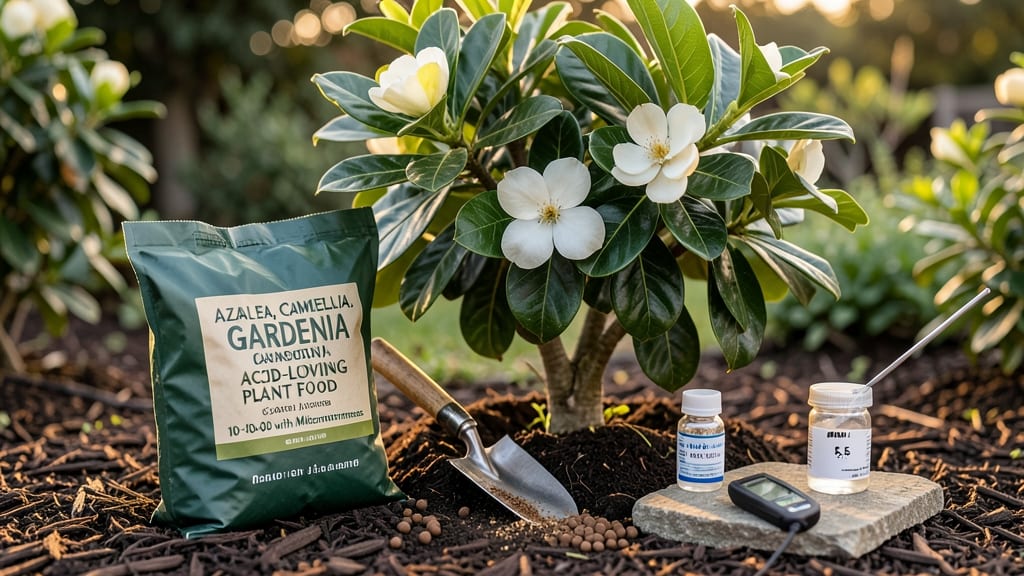
To fertilize gardenias in Florida at the right time means blooms from spring to summer — and skipping the schedule risks weak growth or no flowers at all.
Picture this: your 🌸 gardenias are thriving in Florida’s 9a-11 climate, but suddenly, the leaves yellow and the buds drop. That’s your cue that the timing’s off. The key? Feeding them when they’re hungry but not when they’re dormant.
Florida’s warm winters and long summers mean gardenias need a year-round strategy, not just a spring boost. Too much fertilizer in the heat? You’ll burn the roots.
Too little in the cooler months? You’ll stall blooms. Below, I break down the month-by-month plan that keeps your plants happy without guessing.
You’ll learn how to read your gardenias’ signals, pick the right fertilizer, and adjust for Florida’s microclimates—so you can enjoy those fragrant blooms all season long.
Optimal Florida gardenia fertilization schedule by season
Florida’s three distinct seasons—cool (winter), warm (summer), and blooming (spring/fall)—dictate when and how to feed your gardenias for year-round blooms.
Unlike northern climates, Florida’s tropical/subtropical zones (9a-11) allow gardenias to grow actively year-round, but their nutrient needs shift dramatically with temperature and humidity. Over-fertilizing in summer can burn roots, while skipping spring feeds stunts flower production.
Gardenias thrive on a balanced 6-6-6 or 8-3-9 NPK ratio with extra micronutrients like iron and magnesium, but timing is everything.
Florida’s humid summers slow nutrient uptake, so I’ve adjusted the schedule to match your plant’s natural cycles. Spring and fall are prime feeding windows, while winter’s cooler temps signal a pause in growth—and fertilizing.
Pro Tip: Always fertilize in the early morning when soil is cool and evaporation is low. Water deeply before and after to prevent root burn. For container gardenias, reduce fertilizer by 50% since they dry out faster.