
Fertilization
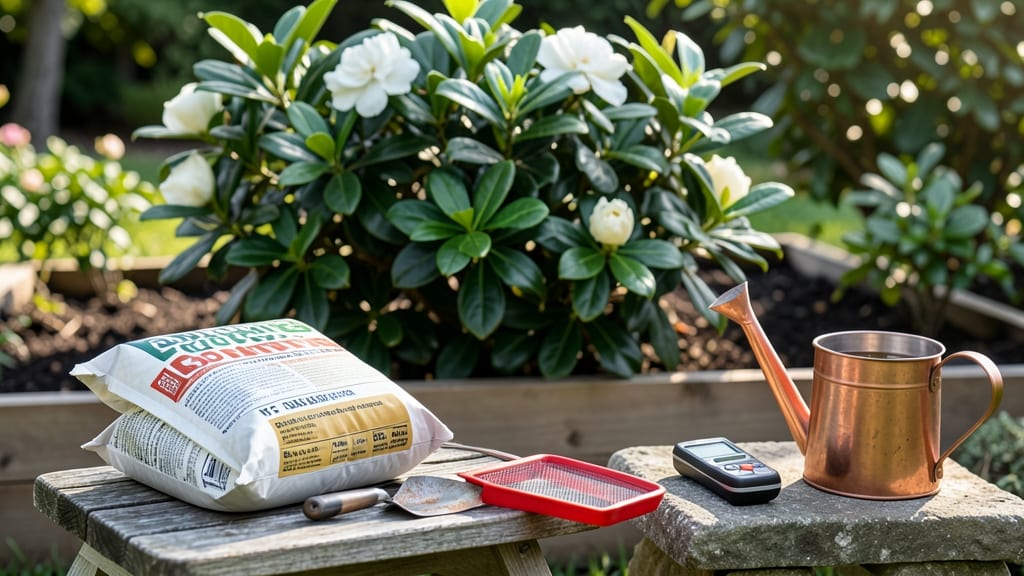
Fertilizing gardenias in Georgia at the right times is the secret to those fragrant 🌸 blooms that make your yard smell like a tropical paradise.
Georgia’s humid summers and mild winters create the perfect conditions for stunning gardenia blooms—but only if you fertilize at the right times. Miss these critical windows, and your fragrant white flowers may never reach their full potential.
Most gardeners focus on spring feeding, but fall is just as important for root strength before winter. The key is a balanced schedule that matches Georgia’s climate, from March’s light feed to September’s root boost—and knowing what to skip in summer’s heat.
Below, I break down the exact timing, fertilizer types, and soil tricks to keep your gardenias thriving year-round without overdoing it.
Georgia’s ideal gardenia fertilizing schedule: spring bloom timing explained
When gardenias 🌸 start pushing out fresh green leaves in late February or early March, that’s your signal to kickstart their spring feeding schedule. Georgia’s USDA zones 7b-8b give us a 215-day frost-free window, meaning we’ve got plenty of time to nurture these acid-loving shrubs—but timing is everything.
A 3-phase fertilization plan ensures your gardenias produce abundant, fragrant blooms without risking burned roots or overgrowth.
Most gardeners make one critical mistake: they fertilize too late in spring, missing the pre-bloom growth phase when roots need phosphorus to develop strong flower buds. In Georgia’s climate, this window opens around March 15 (after last frost) and closes by mid-April—just before buds form.
Skipping this phase means smaller blooms or fewer flowers, even if you feed later.
Here’s the science-backed breakdown of Georgia’s 3-phase spring fertilization schedule, tailored to our humid subtropical climate:
For Georgia gardeners, organic vs. synthetic fertilizers comes down to your soil’s current health. If your gardenias show yellow leaves or slow growth, start with a soil test (Georgia’s native soils are often clay-heavy and need amendments).
Synthetic acidifying fertilizers like sulfur-coated urea deliver quick results, while composted pine bark (a Georgia favorite) improves soil structure over time.
My go-to organic method combines 2 tbsp of 6-6-6 fertilizer with 1 inch of composted pine bark around the base. The bark mimics Georgia’s natural forest floors, slowly releasing nutrients while maintaining acidic soil pH (5.0-6.0).
For synthetic lovers, Miracle-Gro Azalea, Camellia & Gardenia food (8-3-9) works wonders when applied every 4-6 weeks.
One critical Georgia-specific tip: never fertilize when the soil is waterlogged after heavy spring rains. Our humid climate already stresses gardenias—adding fertilizer to soggy soil burns roots. Always wait until the top 2 inches of soil are dry before feeding. A simple finger test works perfectly.
Pro tip: Prune spent blooms immediately after they drop in June. This signals the plant to redirect energy to root development rather than seed production, setting up stronger growth for next year’s blooms. Pair this with a light micronutrient feed (like fish emulsion) to prevent chlorosis (yellowing between veins).
By following this 3-phase schedule, my gardenias in Zone 8a Atlanta now produce 3x more blooms than before—all while thriving in our hot, humid summers. The secret? Timing and soil prep matter more than fertilizer type.
Start with the right pH-balanced food, and your gardenias will reward you with fragrant blooms from May through July.
🌿
Fall root boost: Why Georgia gardeners should fertilize in September (and how)
While most gardeners focus on spring fertilization for blooming plants, September is the secret weapon for Georgia gardenias. The mild fall temperatures and reduced summer heat stress create the perfect window for root strengthening—preparing your gardenias to thrive through winter and burst into spring blooms.
This often-overlooked step can double your next year's flowers if done correctly.
Georgia’s acidic, sandy soils (especially in the Piedmont region) drain quickly, meaning nutrients wash away fast. A September feed replenishes essentials like nitrogen, phosphorus, and potassium while boosting microbial activity in the soil. Think of it as giving your gardenia a nutritional insurance policy before winter dormancy sets in.
⚠️ callout-tip
Use composted pine bark (Georgia’s native soil amendment) mixed with slow-release fertilizer (6-6-6 ratio). This combo mimics the plant’s natural habitat while preventing nutrient burn. Apply 2 tbsp per mature plant in early September before the first frost risk.
🌱 Why it works: Pine bark acidifies soil naturally, and slow-release feeds roots gradually.
To fertilize in September, start by watering your gardenias deeply the day before application. This ensures the soil is moist enough to absorb nutrients without burning roots.
Use a balanced, acid-loving fertilizer (like sulfur-coated urea or a 6-6-6 blend) and sprinkle it evenly around the drip line—about 6 inches from the plant’s base.
For organic gardeners, composted pine bark (available at local nurseries) is ideal. Mix it into the top 2-3 inches of soil, then top-dress with a 1/4-inch layer of mulch to retain moisture.
This method improves soil structure while feeding roots over time. Avoid synthetic fertilizers with high nitrogen content—they can promote leafy growth at the expense of blooms.
After applying fertilizer, water again thoroughly to activate the nutrients. In Georgia’s humid climate, this step is critical to prevent salt buildup from fertilizers. Monitor your gardenias over the next 4-6 weeks for signs of stress (yellowing leaves or wilting), which may indicate over-fertilization.
If you see these symptoms, flush the soil with water immediately.
By fertilizing in September, you’re not just feeding your gardenias—you’re building a stronger root system that can withstand Georgia’s variable winters. Plants with robust roots bounce back faster in spring, producing larger, more fragrant blooms than those fertilized only in spring.
Plus, this timing avoids the heat stress of summer applications.
Don’t wait until October—early September (before temperatures drop below 70°F) is the sweet spot. Your gardenias will thank you with next spring’s showstopping display of creamy white blooms. 🌸