
Picking
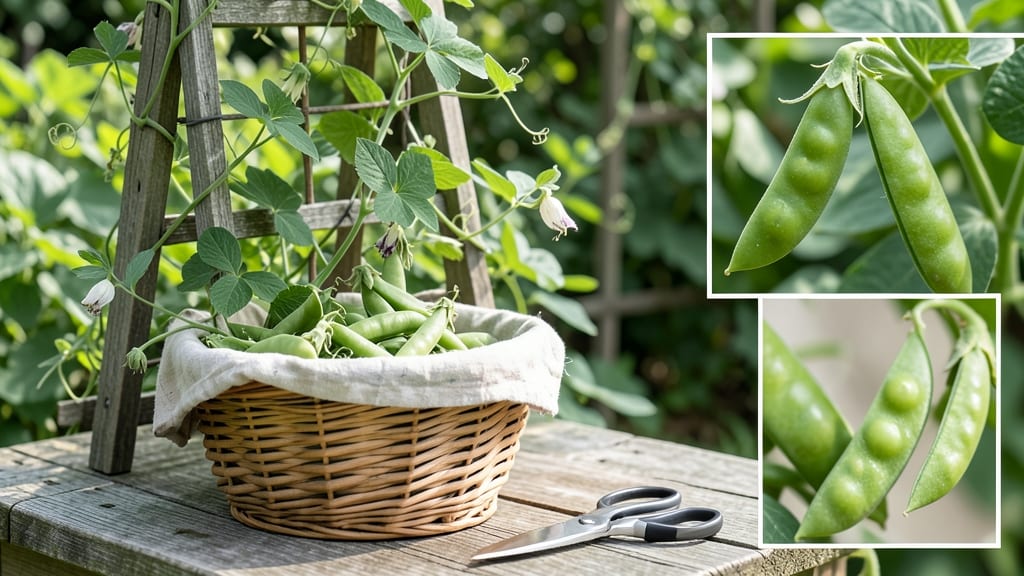
Harvesting garden peas at the right time ensures their sweetest flavor and tender texture, and it all comes down to knowing when those pods are perfectly ripe 🌱.
Picking too early means underdeveloped peas, while waiting too long turns them into tough, mealy bites. The key is catching them at that sweet spot—when pods are plump but still firm, and seeds are just starting to show.
Most varieties reach peak harvest readiness around 60-70 days after planting, but seasonal cues matter just as much. Morning is the best time to check, as cooler temps keep pods crisp and easy to pick.
Below, I’ll walk you through how to test pod size, color, and texture for the perfect harvest, plus tips to maximize your yield and avoid common mistakes that ruin flavor.


How to check garden pea pod size for perfect harvest timing
Timing your garden pea harvest is all about pod size, texture, and color. When pods reach 1.5 to 2.5 inches long, they’re typically at their sweetest and most tender.
But not all pea varieties follow the same rules—sugar snaps, snow peas, and shelling peas each have unique cues to watch for.
Start by examining the pod length with your fingers or a ruler. For most varieties, pods should be plump but not bulging. A good rule of thumb: if the pod fits comfortably between your thumb and forefinger with a little resistance, it’s ready.
Overripe pods will feel hard and woody, while underripe ones will be shriveled and pale.
Next, check the seed visibility inside the pod. For shelling peas, you’ll want to see small, undeveloped seeds—not fully formed peas. In sugar snap and snow pea varieties, the seeds should be barely visible through the thin pod walls.
If seeds are large and filling the pod, you’ve missed the window.
Color is another key indicator. Bright green pods signal readiness, while yellowing or dull pods mean they’ve overstayed their welcome. Gently squeeze the pod—it should yield slightly but not feel mushy. A firm, slightly yielding texture is your goal.
| Pea Variety | Optimal Pod Size | Seed Development | Pod Texture | Color |
|---|---|---|---|---|
| Shelling Peas | 2-2.5 inches | Small, undeveloped | Firm, slightly yielding | Bright green |
| Sugar Snap Peas | 2-3 inches | Barely visible | Crisp, snappy | Vibrant green |
| Snow Peas | 1.5-2 inches | Flat, not bulging | Tender, flat | Bright green |
Harvesting at the right time also depends on the stage of maturity for your specific variety. For example, snow peas should be harvested when pods are flat and barely swollen, while sugar snaps can wait until they’re crisp and slightly elongated.
Always check the seed packet for variety-specific guidelines, as some modern hybrids mature faster.
One trick I use is the "snap test": gently pull a pod from the vine. If it snaps cleanly with a slight resistance, it’s ready. If it resists too much or breaks easily, it’s not quite there yet.
This method works best in the morning, when pods are firmest due to cooler temperatures.
Pay attention to the plant’s overall health too. If vines are drooping or pods are yellowing prematurely, your peas may be overripe or stressed by heat or drought.
In hot climates, peas can mature faster—check pods every 2-3 days to avoid missing the window. Conversely, in cooler regions, they may take longer to reach harvest size.
For continuous harvests, plant peas in succession every 2 weeks. This ensures a steady supply of fresh pods throughout the season.
Even if you miss the perfect window once, don’t worry—young pods can still be eaten (they’re just less sweet), and overripe pods can be shelled for seeds or composted.
Pro tip: Use a small pair of pruning shears or your fingers to harvest pods. Avoid tearing the vine, as this can damage the plant and reduce future yields. Always harvest from the bottom of the plant upward to encourage new growth and more pods.
By mastering these pod size, texture, and color cues, you’ll transform your pea harvest from mealy and tough to sweet, crisp, and full of flavor—ready to enjoy fresh from the garden or preserve for later. Happy harvesting! 🌱
Best practices for harvesting peas at peak flavor and yield
Harvesting garden peas at the right moment transforms your labor into a bounty of sweet, tender pods. The key lies in understanding seasonal cues and daily timing—both of which dramatically impact flavor and yield.
I’ve learned that even a few extra days on the vine can turn crisp pods into tough, fibrous shells. Let’s break down the best practices to maximize your harvest.
Morning harvests are ideal because cooler temperatures preserve pod sweetness and texture. Peas wilt quickly in heat, so I always grab my basket before 10 AM. If you must harvest later, work in the early afternoon to avoid stressing the plants.
Avoid harvesting after midday heat, as this can cause pods to toughen and lose flavor.
Frequency matters just as much as timing. For shelling peas, I harvest every 2-3 days once pods reach 2-3 inches. Sugar snap and snow peas, which mature faster, need harvesting every 1-2 days to prevent over-maturity.
Regular harvesting also encourages continuous production—my plants yield for 4-6 weeks when picked consistently.
⚠️ Harvest Too Late? Here’s What Happens
Over-mature peas lose their sweetness and tenderness, becoming tough and mealy. Worse, pods may shatter, scattering seeds and ending your harvest early. Watch for these signs of over-maturity:
- Pods turn yellowish or dull green
- Seeds fill the pod completely, making them hard
- Stems become woody and difficult to snap
Once pods shatter, your plant’s energy shifts to seed production, cutting yield. Harvest before this happens!
Use the right tools to make harvesting efficient and gentle. A small pruning shears or sharp scissors works best for cutting stems without damaging the plant. For larger patches, a harvest basket with a handle lets you carry pods without crushing them.
Always harvest by pinching or cutting the stem just above the pod—never pull pods off, as this can uproot tender vines.
Seasonal timing varies by climate. In cool climates (USDA Zones 1-5), peas thrive in early spring, ready for harvest 60-70 days after planting. In warmer zones (Zones 6-10), plant peas in late summer for a fall harvest, timing your pick to avoid early frost.
I’ve found that late August plantings in Zone 7 yield pods by October, just before temperatures drop.
Common mistakes reduce sweetness and yield. Avoid harvesting wet pods, as moisture speeds decay—always wait until morning dew dries. Don’t skip harvesting smaller pods; they’ll never catch up.
And never store harvested peas in direct sunlight or warm areas, as this accelerates spoilage. With these tips, you’ll enjoy peak-flavor peas all season long!