
Picking
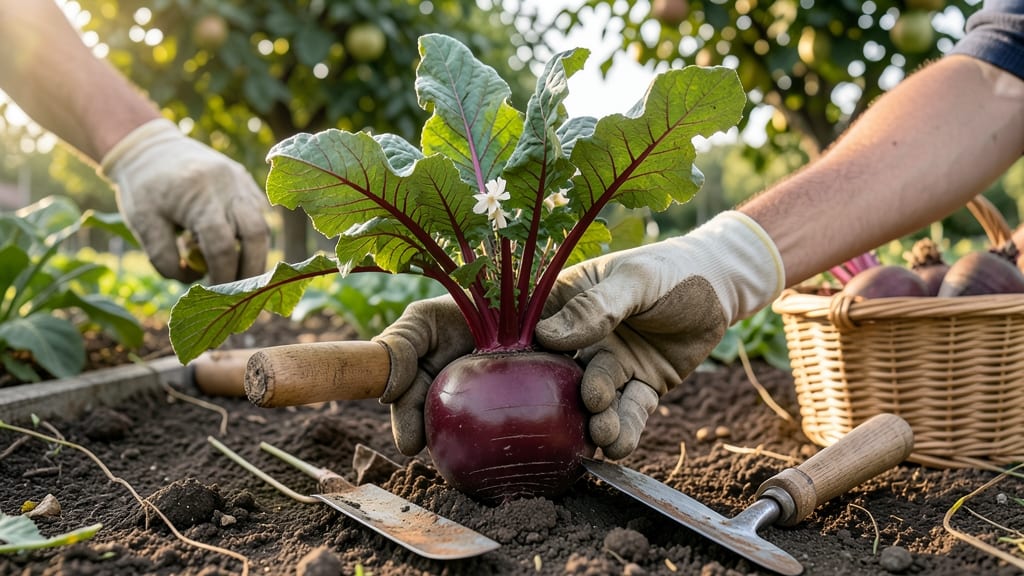
Picking beetroot 🍠 at the right time turns a simple garden task into a flavor-packed harvest—wait too long, and you’ll end up with tough, woody roots that taste like disappointment.
Most gardeners assume size is the only clue, but color, leaf health, and even soil conditions play a bigger role in timing. Miss these signs, and your beetroot could be past its prime before you know it.
Here’s how to spot the perfect moment to harvest—when roots are tender, vibrant, and packed with sweetness—plus how to adjust for your climate and avoid common mistakes.
You’ll learn the 3 key signs of readiness, seasonal timing tricks, and why harvesting at 50–70 days makes all the difference in taste and texture.


3 Visual signs your beetroot is ready for harvesting
Timing is everything when harvesting beetroot. Pull them too soon, and you’ll get small, watery roots with minimal flavor. Wait too long, and they’ll turn woody and tough.
The key? Watch for these three visual cues that signal perfect harvest readiness. I’ve learned from experience—overripe beetroot ruins a meal faster than a forgotten watering can!
First, let’s talk about root size. Beetroots mature at different rates depending on the variety, but most gardeners aim for roots between 1.5 to 3 inches in diameter.
Baby beetroots (like 'Babybeat' or 'Little Ball') can be harvested as small as 1 inch, but standard varieties like 'Detroit Dark Red' or 'Golden' need time to develop their signature sweetness and firmness.
Next, pay attention to the foliage. Healthy beetroot leaves should be 4 to 6 inches tall, vibrant, and free of yellowing or wilting. If the leaves start curling or turning brown, it’s a red flag—your beetroot may be stressed or overripe.
I once ignored this sign and ended up with beetroots that tasted bitter and had hollow centers.
Finally, the skin texture is your final checkpoint. Gently squeeze the root near the soil line. If it feels firm but not rock-hard, it’s ready. If the skin gives way easily, it’s underripe.
And if it’s tough and resistant, you’ve waited too long. Pro tip: Use your thumbnail to test—if it barely leaves a mark, your beetroot is perfect.
🌱 3 Visual Signs Your Beetroot Is Ready
- 🍠 Root Size: 1.5–3 inches in diameter (baby varieties: 1 inch)
- 🌿 Foliage: 4–6 inches tall, vibrant green, no yellowing
- 💪 Skin Firmness: Resists gentle pressure (test with thumbnail)
📌 Bonus Tip: Check for deep, consistent color—no streaks or pale patches.
Don’t overlook the color depth of your beetroot. A truly ripe beetroot will have a rich, uniform hue—whether it’s deep red, golden yellow, or striped. Pale or patchy colors often mean uneven growth or nutrient deficiencies.
I once grew beetroots with green shoulders because of poor soil drainage, and they lacked sweetness. Amending your soil with compost can prevent this issue.
For baby beetroots, timing is even more critical. Harvest them when they’re about the size of a baseball (1 inch wide). These tender roots are perfect for salads or quick cooking.
Mature beetroots, on the other hand, should be harvested when they reach softball size (2–3 inches) for roasting or pickling. The difference in texture and flavor is night and day!
One common mistake I see is ignoring the soil. Always harvest beetroot on a dry, sunny day when the soil is slightly loose. Wet soil clings to roots, making them harder to clean and store.
After pulling, gently brush off excess dirt with your hands or a soft brush. Never wash them until you’re ready to cook—moisture speeds up spoilage.
If you’re unsure whether your beetroot is ready, dig up one and check its internal texture. A knife or fork should slide in smoothly, revealing a firm, juicy center.
Hollow or fibrous cores mean you’ve waited too long. Trust your eyes and hands—your taste buds will thank you later with every sweet, earthy bite.
Remember, beetroot continues to grow even after you think it’s ready. For a steady harvest, plant seeds every 2 weeks during the growing season. This way, you’ll always have fresh, tender roots on hand. Happy harvesting—your kitchen (and your garden) will be the better for it!
How soil conditions and weather affect beetroot harvest timing
Soil moisture and temperature play a critical role in determining when your beetroot reaches peak harvest readiness. Dry soil or extreme heat can cause roots to toughen prematurely, while consistent moisture and moderate temperatures yield sweet, tender harvests.
Understanding these factors helps you adjust planting schedules to match your local climate.
In temperate zones (like USDA zones 5-8), beetroot thrives with cool spring or fall temperatures (50–75°F). Hot summer days above 85°F stress plants, accelerating growth and reducing sweetness. Meanwhile, tropical climates require shade cloth and frequent watering to prevent bolting or woody roots.
Soil conditions matter just as much as weather. Well-draining, slightly acidic soil (pH 6.0–7.0) ensures even growth, while compacted or waterlogged soil leads to misshapen roots. Amend heavy clay with compost to improve aeration and moisture retention.
| Factor | Ideal Condition | Effect on Harvest Timing |
|---|---|---|
| Soil Moisture | Consistently damp | Slows growth; extends harvest window by 10–14 days |
| Temperature | 50–75°F (10–24°C) | Optimal sweetness; harvest at 50–70 days |
| Soil pH | 6.0–7.0 | Balanced nutrients; prevents premature toughening |
| Rainfall | 1–1.5 inches/week | Too much = waterlogged roots; too little = woody texture |
Adjust your planting schedule based on local weather patterns. In cool climates, sow seeds 4–6 weeks before last frost for a spring harvest, while warm climates benefit from fall planting (August–September) to avoid summer heat stress. Always monitor soil moisture—drip irrigation keeps roots consistently hydrated without overwatering.
Extreme weather shifts harvest timing dramatically. Heatwaves can reduce sweetness and toughen roots in as little as 3–5 days, while prolonged cool weather slows growth. Use mulch to regulate soil temperature and retain moisture, especially in sandy soils that dry out quickly.
For tropical regions, plant beetroot during cooler months (November–February) and use shade cloth to protect from intense sun. In dry climates, opt for drought-tolerant varieties like ‘Boltardy’ and water deeply 2–3 times per week during growth. Always harvest in the morning for the freshest, crispest roots.