Picking
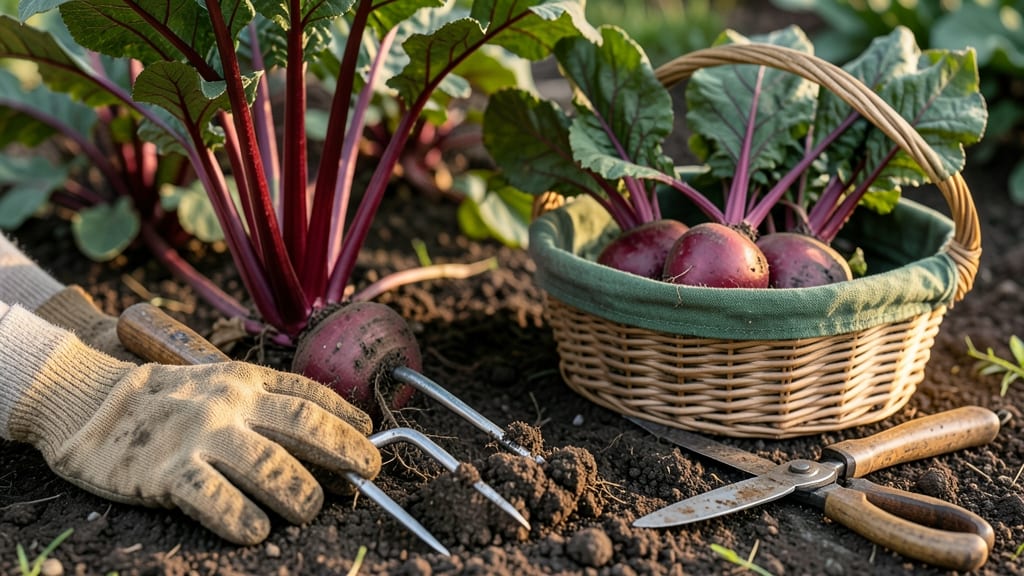
To pick beets from your garden at the perfect time, watch for roots 1-3 inches wide and deep, vibrant colors—this is when they taste sweetest and stay tender.
Harvesting beets at the wrong time can turn your homegrown bounty into tough, woody messes—avoid the disappointment by learning the exact signs that your beets are ready to pick for peak flavor and texture.
Most varieties reach harvest readiness in 50-70 days, but cooler weather slows growth, while heat can rush maturity. The key is checking soil resistance: gently tug on the greens, and if the root slips free, it’s time to pull it.
Below, I’ll break down how to test for perfect size, color, and soil conditions, plus how to store your harvest and spot over-mature beets before they ruin your dinner plans.


How to test beet root size and soil resistance for perfect harvest timing
Knowing the perfect harvest time for beets means checking three key factors: root size, soil resistance, and leaf color. Beets left too long in the ground develop woody textures and lose sweetness, while harvesting too early means underdeveloped flavor.
I’ll walk you through my foolproof methods to test these indicators—so you never guess again.
Start by checking root diameter—this is your first clue. For baby beets, aim for 1-2 inches in width, while mature varieties should reach 2-3 inches.
Use a ruler or your fingers to gauge size without digging. Smaller roots are tender but may lack depth of flavor, while larger ones risk becoming tough.
Next, perform the soil resistance test by gently pressing your thumb into the soil around the beet’s base. If the soil feels firm but not hard, the root has had enough time to develop.
When soil resists slightly, it signals the beet has reached ideal maturity. Overly soft soil often means the root is still growing, while rock-hard soil suggests it’s overripe.
Don’t ignore the leaf color—healthy beets have vibrant, deep green leaves. If leaves start turning yellow or wilted, the beet may be stressed or overmature.
For golden beets, the foliage should match the root’s hue, while red varieties will have rich, burgundy-green leaves. Dull or spotted leaves are red flags.
| Stage | Root Size | Soil Test | Leaf Color | Action |
|---|---|---|---|---|
| Early Growth | < 1 inch | Soft, loose | Pale green | Wait 2-3 weeks |
| Ideal Harvest | 1-3 inches | Firm but yielding | Deep green | Harvest now! |
| Overmature | > 3 inches | Hard, compacted | Yellowing | Use immediately |
Climate plays a huge role in beet maturity. In cool seasons (spring/fall), beets grow slower, so they may need 60-70 days to reach harvest size. In warm seasons, they mature faster—sometimes in just 45-50 days.
I’ve found that late summer plantings often produce sweeter roots because the cooler nights slow down growth just enough for better flavor development.
For baby beets, harvest when roots are 1 inch wide—they’re perfect for quick salads. For mature storage beets, wait until they’re 2-3 inches in diameter. Pro tip: If you’re growing Chioggia beets (the pretty striped ones), harvest when the rings are clearly visible but still tender.
One trick I swear by is the twist test. Gently grasp a beet’s leaves and give a slight twist. If the root pops out easily with minimal resistance, it’s ready.
If it feels glued to the soil, wait another week. This method works best in loose, well-drained soil—if your soil is clay-heavy, the roots may cling longer.
Finally, time your harvest based on seasonal cues. In Zone 6a, I start checking beets in late May for spring plantings and again in September for fall crops.
Watch for first frost warnings—beets tolerate light frosts but won’t recover if frozen solid. Always harvest a few days before the forecasted frost to ensure sweetness.
Remember, the earlier you harvest, the more tender (but less flavorful) your beets will be. Balance is key—aim for that sweet spot where roots are firm but not woody, leaves are vibrant, and the soil offers just enough resistance.
With these tests, you’ll never second-guess your beet harvest again!
Taste test tricks: how to sample beets without damaging the plant
One of the best ways to determine if your beets are ready for harvest is through non-destructive taste testing. This method lets you sample the flavor without harming the plant's growth potential.
Start by selecting a few beets that meet the basic size requirements—typically 1-3 inches in diameter—and have vibrant foliage. The key is to test for both sweetness and texture, as these indicate peak harvest time.
Begin by gently loosening the soil around the beet using your fingers or a small hand trowel. Avoid digging too deeply to prevent damaging the root. Once exposed, check the root's firmness—it should feel solid but slightly yielding, not hard or woody.
This tactile check gives you a preliminary idea of the beet's readiness before you even taste it. If the root feels spongy or hollow, it's past its prime.
🌱
🌱 When to Pick Beets for Perfect Flavor
For baby beets, harvest when roots are 1 inch wide—ideal for quick cooking and tender texture. For full-sized beets, wait until they reach 2-3 inches in diameter. Test for sweetness by gently scraping a small section of the root with your fingernail; if it tastes mild and slightly sweet, it's ready. Overly bitter beets need more time in the ground.
To sample the beet without fully harvesting it, use a small serrated knife to carefully slice off a thin cross-section from the top of the root. This method leaves minimal damage and allows the beet to continue growing.
Taste the slice immediately—sweetness indicates readiness, while bitterness means the beet needs more time. If the flavor is mild but the beet feels firm, it’s perfect for harvest.
If your beets taste too bitter, they likely need 10-14 more days in the soil. Use this feedback to adjust future plantings: soil fertility, watering consistency, and sunlight exposure all impact flavor.
For example, beets grown in cooler weather tend to develop more sugar, so plan your harvests accordingly. If you're growing in hot climates, prioritize shade cloth to prevent bitterness.
For continuous harvests, plant beets in successive batches every 2-3 weeks. This ensures a steady supply of tender, flavorful beets throughout the season. Always harvest in the morning when temperatures are coolest—this preserves sweetness and texture.
Store any unharvested beets in the soil by gently covering them with loose soil to keep them fresh for later tastings.
Remember, the best beets are those that balance size, color, and flavor. By mastering non-destructive taste testing, you’ll never again guess when to harvest—just sample, adjust, and enjoy the perfect beet every time! 🌿