
Picking
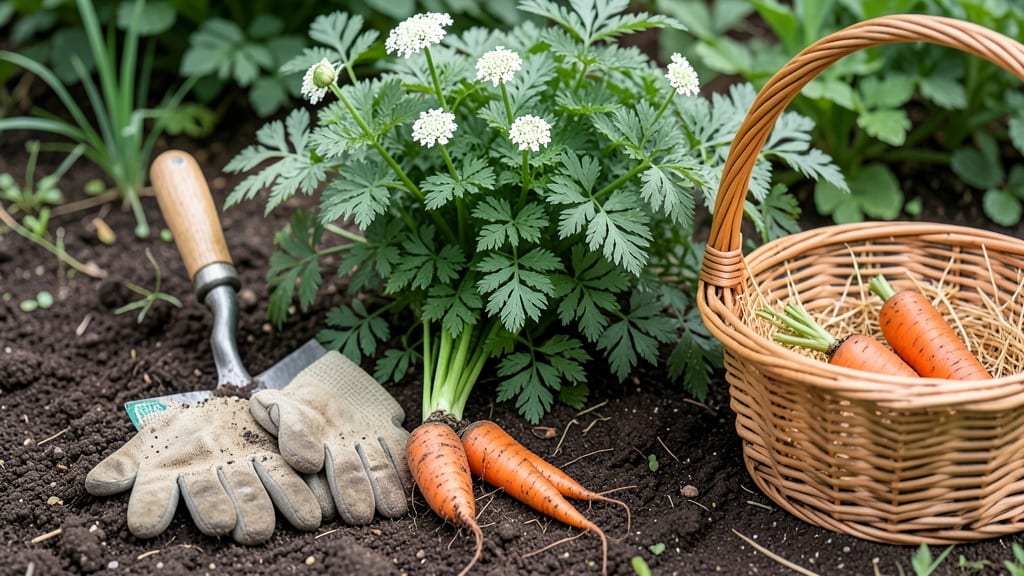
To pick carrots in your garden at the perfect moment means harvesting sweet, crisp roots that taste like summer 🥕—not tough, woody sticks.
Most gardeners focus on leaf size, but the real clue is root shape and soil depth. A carrot’s leaves might look lush, but if you pull one too early, you’ll end up with undersized roots. Worse, leaving them too long turns them bitter and fibrous.
Here’s how to nail the timing: check leaf height (6–8 inches tall), root diameter (1–3 inches wide), and soil conditions. I’ll walk you through the exact visual cues, seasonal rules, and mistakes that ruin flavor—so you never guess again.
By the end, you’ll know when to pull carrots for baby snacks, storage, or peak sweetness—plus how to fix common harvest blunders before they happen.


How to tell when carrots are ready by leaf size & root shape
Harvesting carrots at the right time transforms your garden into a treasure trove of sweet, crisp roots. But here's the catch: most gardeners focus on leaf size while ignoring the root shape and soil depth—key indicators of true maturity.
I’ve learned the hard way that pulling carrots too early means bland, undersized roots, while waiting too long leads to woody, tough textures. Let’s break down the visual cues that guarantee perfect timing for both baby carrots and fully mature varieties.
First, understand that carrots mature in stages, and each stage has distinct leaf size and root development markers. For example, baby carrots (like 'Paris Market') are ready in just 50-60 days, while standard varieties (like 'Danvers') take 70-80 days.
The secret? Combine leaf height with root firmness and soil checks. Here’s how to spot each stage without digging up every carrot prematurely.
| Stage | Leaf Size | Root Shape | Soil Check | Best For |
|---|---|---|---|---|
| Baby Carrot Stage | 2-4 inches tall | 0.5-1 inch diameter | Shoulder 0.25 inch below soil | Salads, quick cooking |
| Early Maturity | 4-6 inches tall | 1-1.5 inches diameter | Shoulder 0.5 inch below soil | Storage, roasting |
| Full Maturity | 6-12 inches tall | 1.5-3 inches diameter | Shoulder 1 inch below soil | Long-term storage |
| Over-Mature | 12+ inches tall | 3+ inches diameter (woody) | Shoulder exposed or cracked | Discard or compost |
Start by examining the leaf size. For baby carrots, aim for leaves reaching 2-4 inches—this signals roots are ready for quick harvests. But here’s the trick: don’t rely solely on leaves.
Gently brush away soil around the shoulder (where leaves meet the root) to check depth. Baby carrots should have their shoulders just 0.25 inch below soil—any deeper, and they’re past their prime.
For mature carrots, wait until leaves hit 6-8 inches tall. At this stage, roots should be 1-1.5 inches thick and firm to the touch. Press your fingertip gently against the root—if it resists slightly, it’s ready.
If it feels soft, give it another 7-10 days. Pro tip: Use a soil knife to slice a thin section of soil vertically near the plant. This reveals the root’s full shape without damaging it.
Root shape is often overlooked but critical. Ideal carrots have a tapered, smooth shape with no forks or bends. If your soil has rocks or hardpan, roots may grow crooked—address this early by amending soil with compost.
For varieties like 'Danvers', the root should reach 6-8 inches long and 1.5 inches thick. If you’re growing short varieties (like 'Paris Market'), stop harvesting when roots hit 2-3 inches long to avoid bitterness.
One of my biggest mistakes? Harvesting based on leaf color alone. Yellowing or wilting leaves don’t always mean maturity—they can signal drought stress or nutrient deficiency. Instead, focus on the root’s firmness and the shoulder depth.
A good rule of thumb: if the top 1 inch of the root is still underground, it’s likely ready. If the shoulder is exposed, it’s overdue for harvest.
Seasonal timing also plays a role. In spring crops, carrots mature faster due to cooler soils, while fall crops develop more slowly as temperatures drop. For spring, harvest when leaves are 4-6 inches tall (around 60 days after planting).
In fall, extend the timeline to 70-80 days to account for slower growth. Always harvest before the first light frost, as freezing temperatures turn roots mushy.
To test readiness without digging, use the "finger test". Grip the carrot’s top near the soil line and wiggle gently. If it slides out easily with minimal resistance, it’s ready. If it feels locked in, wait another 3-5 days.
This method saves you from pulling premature carrots that’ll shrink during cooking. For container-grown carrots, check roots when leaves hit 3-4 inches—they mature faster in pots due to limited root space.
Finally, avoid the trap of harvesting all carrots at once. Instead, stagger your harvests by planting successive batches every 2-3 weeks. This ensures
Best time of day & season to harvest carrots for maximum sweetness
Timing your carrot harvest correctly transforms bland roots into sweet, flavorful treasures. The season and time of day you pick make all the difference—cool temperatures and proper maturity boost natural sugars while preventing bitterness.
For me, the fall harvest always delivers the sweetest carrots, but spring crops can be just as rewarding if you follow these key rules.
Carrots thrive in cool weather, so aim to harvest them when soil temperatures stay between 50°F and 65°F. This ideal range occurs naturally in early spring (April-May) and late fall (September-October).
Avoid harvesting during summer heatwaves, as temperatures above 80°F cause carrots to develop bitter, pithy cores—a common mistake even experienced gardeners make.
- Spring Harvest: Pick between 60-75 days after planting when soil warms to 55°F+. Morning harvests prevent wilting.
- Fall Harvest: Wait until frost threatens (soil temps drop below 60°F) for maximum sweetness. Evening picks work best.
- Soil Temp Rule: Harvest when soil is 50-65°F—cooler temps convert starches to sugars, making carrots sweeter.
- Storage Hack: Cure carrots in 50-60°F shade for 24 hours post-harvest to toughen skin and extend shelf life.
Morning harvests between 6 AM and 9 AM are my golden rule for spring carrots. The cool night temperatures help lock in sweetness, and you avoid the stress of midday heat. For fall crops, I switch to evening harvests (4 PM-6 PM) when soil stays warm longer.
This timing prevents the roots from overheating during the day, which can lead to bitter flavors or even bolted tops.
Temperature isn't just about sweetness—it also affects texture. Carrots harvested in cool fall mornings stay crisp and tender, while those picked during summer afternoons often develop a woody core. I always check the soil temperature with a thermometer before harvesting.
If it's above 70°F, I wait or harvest in the evening to preserve quality. This small adjustment makes a huge difference in storage life too.
After harvesting, store carrots properly to maintain their freshness. Trim the foliage to prevent moisture loss, then store them in humid conditions (95-100% humidity) at 32°F-40°F. A simple trick I use is wrapping them in damp paper towels inside a perforated plastic bag.
This mimics their natural growing environment and keeps them crisp for up to 3 weeks in the fridge. For longer storage, consider curing and root cellaring—just like commercial growers do!
Don't forget that seasonal variations affect harvest timing. Spring carrots mature faster in warm climates (like Zone 8+) than in cooler regions (like Zone 5). Always adjust your harvest window based on your local last frost date.
For example, in my Zone 6a garden, I harvest spring carrots by late June to avoid summer heat, then replant for a fall crop that's ready by October. This two-crop strategy ensures a steady supply of sweet, homegrown carrots all season long.