
Picking
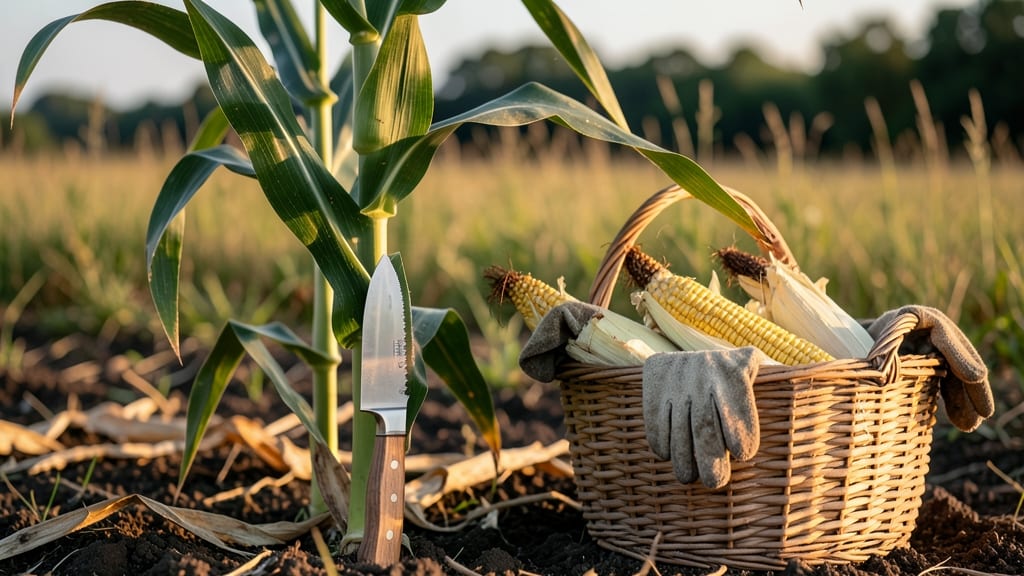
To pick corn from your garden at the sweetest moment, watch for browned silks and plump kernels 🌽 — that’s when the sugar peaks and starch hasn’t taken over.
Nothing beats the taste of fresh-picked garden corn—crisp, sweet, and bursting with flavor—but timing is everything. Harvest too early, and you’ll get tough kernels; wait too long, and the sugar turns to starch. Here’s how to master the perfect moment for picking corn with foolproof tricks.
Most varieties need 70 to 90 days to mature, but heat waves or drought can speed up starchy conversion. That’s why checking the silks (they should be dry and brown) and doing the milk-line test (press a kernel—white liquid means it’s ready) is the key to avoiding disappointment.
Below, I’ll walk you through the exact visual cues, the best time of day to harvest, and how to extend corn’s freshness so you can enjoy that garden-fresh flavor for days.


How to tell when corn is ripe by silk color & kernel development
Harvesting corn at the perfect moment transforms your garden into a sweet, flavorful treasure. The key lies in understanding two critical signals: the silk color and kernel development. When these cues align, you’re just minutes away from the sweetest corn of the season.
Let’s break down the science behind these indicators so you can pick corn at its peak.
Corn silks start bright green but gradually transition to tan or brown as the kernels mature. This color change signals pollination success and kernel filling. However, waiting until silks are completely dry can mean your corn has already converted its sugars into starch, resulting in a less sweet taste.
The trick is to watch for the right shade of brown—not fully dry, but definitely past its green prime.
| Ripeness Indicator | Visual Cue | Action |
|---|---|---|
| Silk Color | Tan to light brown (not fully dry) | Check kernels next |
| Kernel Development | Plump, firm, and milky-white when pierced | Harvest immediately |
| Ear Weight | Feels heavy for its size | Ready to pick |
| Kernel Test | Pierce with fingernail—milky liquid appears | Perfect timing |
The kernel test is your secret weapon for foolproof harvesting. Use your fingernail to pierce a kernel near the top of the ear. If a milky-white liquid appears, your corn is at its sweetest.
This liquid is the plant’s natural sugars, and its presence means you’ve hit the peak ripeness window. If the kernel is dry or translucent, it’s past its prime and will taste starchy.
Don’t ignore the ear’s weight either. A ripe ear of corn feels noticeably heavier than an unripe one. This extra weight comes from the fully developed kernels, which are packed with moisture and nutrients.
Lift a few ears in your hand—you’ll quickly learn the difference between a light, underripe ear and a heavy, ready-to-pick ear.
Time of day matters too. Corn is sweetest in the morning after a cool night. Harvesting in the early hours preserves its natural sugars, which can convert to starch if left on the plant too long under hot afternoon sun.
Aim to pick your corn between 6 AM and 9 AM for the best flavor.
Some gardeners make the mistake of waiting until the silks are completely dry and brittle. By then, the corn has already lost much of its sweetness. Instead, look for silks that are tan or light brown—they should still have some flexibility but are clearly past their green stage.
This is your sweet spot for harvesting.
If you’re growing sweet corn varieties, like 'Silver Queen' or 'Peaches and Cream,' they’ll be even more sensitive to timing. These types convert sugars to starch faster than field corn, so harvest them as soon as the silks turn brown and the kernels pass the milk test.
The difference in flavor between a perfectly timed ear and one picked too late is like night and day.
Pro tip: If you’re unsure, pick a few ears a day apart and compare them. Taste-testing is the ultimate judge of ripeness. Keep the earliest-picked ears in the fridge overnight and compare their flavor to the later ones.
This hands-on approach will train your eye to spot the perfect moment every time.
Remember, corn continues to mature even after the silks dry out. Once the kernels turn yellow or the husks begin to dry, the corn’s sweetness has already peaked and started to decline.
Stay vigilant, and you’ll enjoy garden-fresh corn at its absolute best—crisp, sweet, and full of summer flavor.
5 Common mistakes that make your corn taste starchy (and how to avoid them)
Even if your corn looks perfect, waiting too long to harvest can turn that sweet flavor into a starchy disappointment. The silk color and kernel maturity are key indicators, but many gardeners miss the subtle signs.
I’ve learned the hard way that heat waves and harvest timing play huge roles in preserving that garden-fresh taste.
One of the biggest mistakes is assuming brown silks mean the corn is ready. While they’re a good sign, waiting until they’re completely dry can mean your corn has already converted its sugars into starch.
The milk line test (piercing a kernel to check for milky fluid) is your secret weapon for perfect timing.
🌽
⚠️ Warning: Harvesting Too Late
Waiting for silks to turn completely brown and dry can mean your corn’s sugar has converted to starch. The sweetest flavor window is actually 2-3 days before the silks fully brown. Use the milk line test—if the kernel oozes milky fluid when pierced, it’s prime time!
Another critical error is harvesting during midday heat. Corn’s natural sugars are most concentrated in the early morning, so that’s the best time to pick.
If you must harvest later, store the ears in a cool, dark place for a few hours before eating to let the sugars settle back into the kernels.
Heat waves can also accelerate starchy conversion, so during hot spells, check your corn daily for readiness. Look for plump, firm kernels that feel heavy for their size—these are your clues that the corn is ready. Ignoring these signs often leads to tough, mealy ears that lack sweetness.
Finally, many gardeners overlook the ear’s weight as a readiness indicator. A ripe ear should feel heavy and solid in your hand. If it feels light or hollow, it’s not ready yet. Pair this with the milk line test for foolproof results every time.
To extend freshness post-harvest, store corn in the refrigerator (not the freezer) for up to a week. For longer storage, blanch and freeze the kernels. This preserves flavor and makes it easy to enjoy your harvest all season long.
💧