
Picking
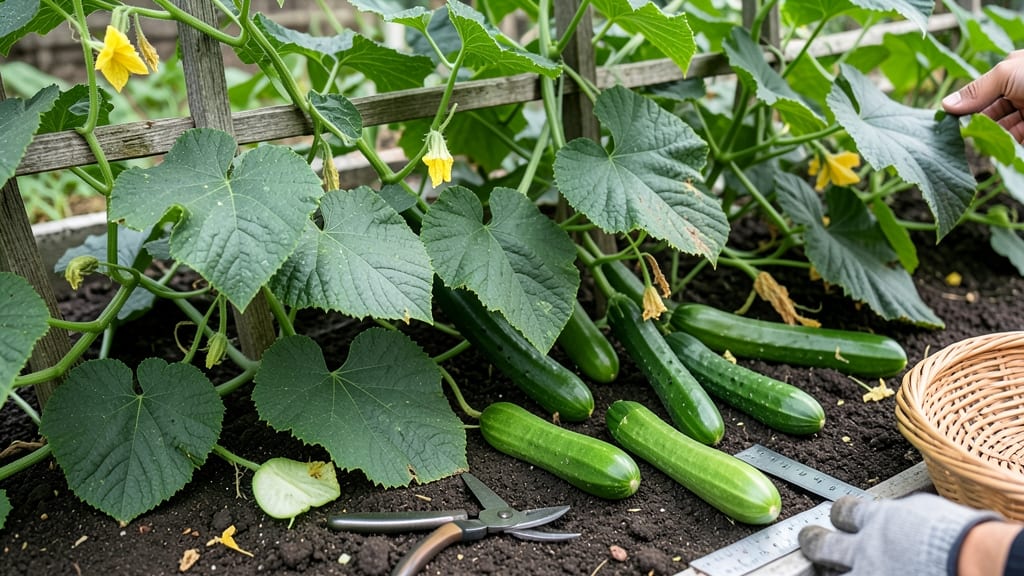
Picking cucumbers from the garden at the right time means the difference between a crisp, sweet bite and a meal of bitter, seedy disappointment.
You’ve spent weeks tending to your 🥒 plants, and now the moment of truth arrives: when to pluck them for peak flavor and texture. Miss this window, and you’ll end up with oversized, tough cucumbers that taste more like a garden experiment than a meal.
In this guide, I’ll break down the three key size checks that tell you when cucumbers are ready—whether you’re growing slicing, pickling, or snack varieties. You’ll also learn how to spot overripeness before it happens and how to keep your plants producing all summer long.
Ready to turn your garden into a cucumber powerhouse? Let’s get started with the exact cues you’ve been missing.


3 Exact size checks to harvest cucumbers at peak crunch
Harvesting cucumbers at the right size ensures maximum flavor, texture, and sweetness—whether you're slicing them for salads or pickling for later. The key lies in understanding how size, firmness, and color interact to signal peak ripeness.
For example, a 6-inch slicing cucumber is ideal for fresh eating, while pickling varieties should be harvested smaller, around 3–4 inches. Ignoring these cues often leads to oversized, seedy, and bitter cucumbers that disappoint at the dinner table.
Science shows that cucumbers grow fastest during warm summer days (70–85°F), but their flavor compounds peak when harvested at the right stage. Waiting too long causes cell breakdown, turning crisp flesh into a mushy, watery mess.
My own garden proved this lesson the hard way—one summer, I missed the window and ended up with 12-inch monsters that tasted like watery sponges. Don’t let that happen to you!
Here’s the golden rule: Always check these three size-based cues before harvesting. The first is length, which varies by variety. The second is firmness, tested with gentle thumb pressure.
The third is stem color, a telltale sign of maturity. Mastering these checks transforms your harvest from hit-or-miss to consistently delicious.
| Cucumber Type | Ideal Size | Firmness Test | Stem Color | Best For |
|---|---|---|---|---|
| Slicing (e.g., 'Straight Eight') | 6–8 inches | Skin resists thumbnail | Green stem end | Salads, snacks |
| Pickling (e.g., 'Boston Pickling') | 3–4 inches | Firm but yields slightly | Yellow/brown stem | Pickles, fermenting |
| Bush Varieties (e.g., 'Bush Champion') | 4–6 inches | Skin springs back | Green stem end | Containers, small gardens |
For slicing cucumbers, aim for a length of 6–8 inches. At this size, the skin is firm but not tough, and the seeds are small and tender. I like to harvest mine when they’re about the length of a standard ruler—this ensures they’re crisp and sweet.
Pro tip: Use a sharp pair of pruning shears to avoid damaging the plant, which can invite disease. The stem end should still be green, indicating the cucumber hasn’t overripe yet.
If you’re growing pickling varieties, harvest them smaller—around 3–4 inches. These cucumbers are bred to be harvested young for maximum crunch and minimal bitterness. Look for a yellow or brown stem end, which signals they’re ready for the jar.
I once tried to wait for pickling cucumbers to grow larger, and they turned bitter and seedy. Lesson learned: harvest early and often for the best results!
Don’t overlook the firmness test, which is your best defense against mushy cucumbers. Gently press your thumbnail into the skin. If it resists slightly but doesn’t dent, it’s perfect. If it feels soft or spongy, it’s past its prime.
Overripe cucumbers also develop a waxy, dull skin and may even start to yellow or spot. At this stage, they’re best used for cucumber water or compost rather than eating fresh.
Seasonal timing also plays a role. In hot climates, cucumbers grow faster and may need harvesting every 2–3 days. In cooler regions, they take longer to mature, so check them every 4–5 days.
I live in Zone 6a, and my cucumbers peak in July and August when temperatures are ideal. Regular harvesting encourages more production, so don’t skip this step—your plant will thank you with a steady supply!
One common mistake is assuming all cucumbers should be harvested at the same size. Bush varieties, like 'Bush Champion,' are bred to stay compact, so they’re best picked at 4–6 inches. Meanwhile, vining types can grow much larger if left unchecked.
Always check the seed packet or plant tag for variety-specific guidelines. For example, 'Armenian cucumbers' are long and slender, while 'Lemon cucumbers' are small and round—each has its own ideal harvest size.
To maximize your yield, make harvesting a daily habit during peak season. I set a reminder on my phone to check the garden in the morning, when cucumbers are cool and crisp. Avoid harvesting in the evening, as overnight heat can cause cucumbers to soften.
Store them in the fridge for up to a week, but eat them fresh when possible for the best flavor. With these size checks, you’ll never again wonder, "When should I pick these cucumbers?"
Remember, the earlier you harvest, the more your plant will produce. Cucumbers are heavy feeders, and removing ripe fruit signals the plant to keep growing. I’ve seen my own vines produce 50+ cucumbers in a single season by sticking to this rule.
Now, imagine serving those crisp, sweet cucumbers at your next summer BBQ—your guests will be impressed, and
How to tell when cucumbers are overripe (and what to do next)
Even the most attentive gardeners sometimes miss the perfect harvest window for cucumbers. What starts as a crisp, flavorful fruit can quickly turn mealy, bitter, and seedy if left too long on the vine.
Overripe cucumbers aren’t just disappointing to eat—they’re a sign your plant is stressed or overloaded, which can reduce future yields. The good news? You can still salvage them with the right knowledge.
Overripeness in cucumbers is easy to spot once you know what to look for. The color shifts from vibrant green to a dull, yellowish hue, and the skin may develop soft spots or wrinkles.
Inside, the flesh becomes watery and seedy, losing its signature crunch. If you’ve ever bitten into a cucumber that tasted more like a sponge, you’ve experienced the classic signs of overripeness.
⚠️ WARNING: Don’t Ignore These Overripe Cucumber Signs! ⚠️
🚨 Critical Overripeness Red Flags
- 🟡 Yellowing or brown skin – Indicates sugar conversion and loss of crispness.
- 🤏 Soft, yielding flesh – Press gently; if it dents easily, it’s past prime.
- 🌱 Large, hard seeds – Overripe cucumbers develop bitter, oversized seeds.
- 🌡️ Warm, mushy texture – A sure sign of advanced decay if left unchecked.
💡 Pro Tip: Check cucumbers every 2–3 days during peak growing season to avoid overripeness.
If you’ve spotted these signs, don’t toss your cucumbers just yet! Overripe cucumbers can still be repurposed into delicious recipes. Try blending them into cucumber soup, fermenting them for pickles, or even using them in smoothies or gazpacho.
The key is to act fast—once a cucumber turns completely mushy or develops mold, it’s time to compost.
To prevent overripeness in the future, I recommend harvesting cucumbers frequently. Most varieties are ready to pick when they reach 6–8 inches long, but check your specific type’s guidelines. Morning harvests are ideal because cucumbers are coolest and crispest first thing in the day.
Use a sharp knife or pruners to avoid damaging the plant, and always leave ½ inch of stem attached.
Another trick I swear by is planting bush varieties if space is limited. These cucumbers ripen faster and are easier to monitor than sprawling vines. Trellising also helps by improving air circulation, which slows down the ripening process.
Just remember: consistency is key. A well-maintained cucumber plant will reward you with weeks of fresh harvests instead of a single overripe disappointment.
Overripe cucumbers are a gardeners’ reality, but with these tips, you’ll turn potential waste into new culinary adventures. Next time you spot a cucumber past its prime, don’t panic—get creative in the kitchen!
And always keep an eye on your plants to harvest at the perfect moment every time. 🌱