
Picking
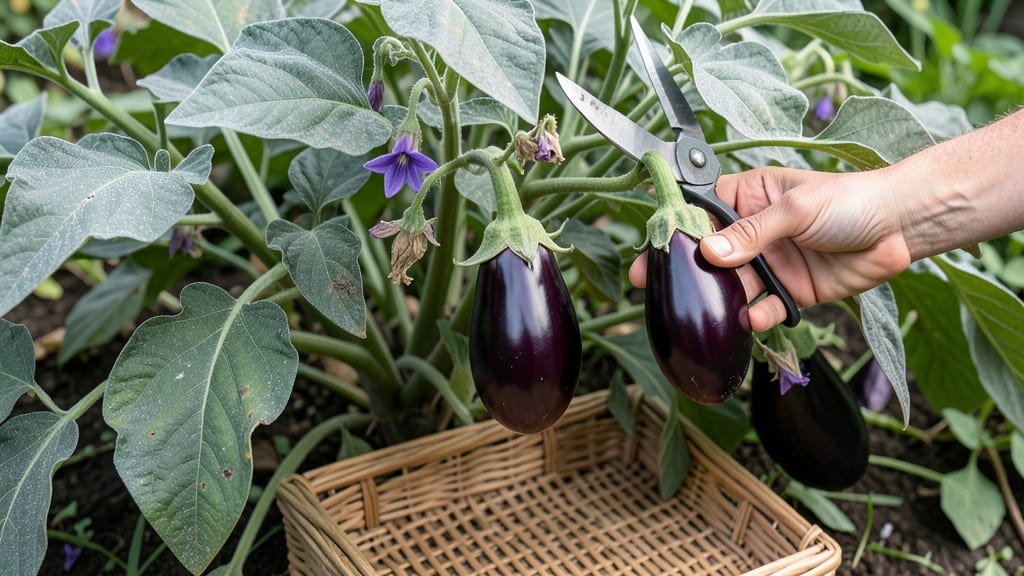
To pick eggplant in your garden at the perfect moment means creamy, flavorful fruit instead of bitter or seedy disappointments — and it all comes down to color, firmness, and size.
I’ve seen gardeners pull eggplant too early, only to watch it turn mealy in the kitchen, while others wait too long, ending up with tough skins and bitter flesh. The difference between these two outcomes? Knowing the three key signs of ideal ripeness.
In this guide, I’ll walk you through the exact color cues (yes, even for white or green varieties), how to test firmness like a pro, and why size matters more than you think. Plus, I’ll share how regional heat and humidity can shift your harvest window.
By the end, you’ll never second-guess when to snip that glossy 🍆 off the vine — and trust me, your next dish will thank you.
3 Color & firmness tests to determine perfect eggplant ripeness
Harvesting eggplant at the right moment transforms your garden bounty from mealy and bitter to tender and flavorful. The key lies in combining visual color cues with tactile firmness tests—especially since varieties range from deep purple to creamy white.
I’ve learned the hard way that waiting too long turns sweet flesh into seedy disappointment, while picking too early means tough, underdeveloped fruit.
Most gardeners focus only on color, but firmness is equally critical—it’s the best predictor of texture. A ripe eggplant should yield slightly when pressed, like a perfectly ripe avocado. This simple test saves you from ending up with rubbery slices that scream "garden store reject."
Let’s break down the three essential tests that’ll have you harvesting like a pro, no guesswork required.
| Test Type | Purple Varieties | White Varieties | Green Varieties |
|---|---|---|---|
| Color Test | Deep, consistent purple (no green patches) | Creamy white with slight yellowing | Dull green (not glossy) |
| Firmness Test | Yields slightly to thumb pressure | Firm but not hard (like a softball) | Gives gently when pressed |
| Stem Test | Snaps cleanly when twisted | Stem detaches easily | Pulls away without resistance |
| Size Guide | 3-6 inches in diameter | 4-7 inches long | 5-8 inches long |
| Flavor Result | Sweet, creamy texture | Mild, nutty flavor | Rich, earthy taste |
For purple varieties like Black Beauty, the color shift from glossy green to deep, matte purple is your first clue. But don’t stop there—run your thumb over the skin. A ripe eggplant should feel slightly soft (not mushy) and give just enough to indicate it’s ready.
My garden’s Rosa Bianca white eggplants trick even experienced growers because their ripeness isn’t marked by color changes. Instead, focus on the stem test: twist gently at the base. If it detaches cleanly, it’s harvest time.
Green varieties like Thai Green eggplants require extra attention since their ripeness isn’t signaled by color. Look for dull, matte skin instead of the glossy sheen of unripe fruit.
These varieties often mature faster than their purple cousins, so check them every 2-3 days once they reach 5 inches long. Pro tip: If the skin feels slightly rough to the touch, that’s another sign of readiness.
Firmness is where most gardeners stumble. An eggplant that’s too firm will be tough and seedy, while one that’s too soft will be past its prime. Imagine holding a ripe peach—that’s the perfect firmness. Press your thumb into the eggplant’s skin.
If it leaves a slight indentation but doesn’t feel mushy, you’ve nailed it. I once harvested a batch that felt "just right" but turned out bitter because I ignored the seed cavity test: tap the end gently.
A hollow sound means it’s ready; a dull thud means wait a few more days.
Don’t forget that variety matters. Asian eggplants like Ichiban mature smaller (2-3 inches) but require the same firmness test. Meanwhile, Italian varieties like Violetta Lunga can grow up to 12 inches long—harvest them when they reach 8-10 inches for the best balance of size and flavor.
My first year growing eggplants, I let a few get too large, and the seeds inside had already hardened, ruining the texture. Now, I mark my calendar for 70-80 days after transplanting as the ideal window.
Environmental factors can throw off your timing. Hot, dry weather accelerates ripening, so check your eggplants daily in summer. Conversely, cool, cloudy days slow maturation—you might need to wait 10-14 extra days in such conditions.
I learned this lesson during a particularly rainy July when my usual harvest schedule failed. The key is to adjust your expectations based on your local climate. In USDA Zone 9, for example, eggplants often ripen faster than in Zone 5.
One mistake I see often is harvesting based solely on size. A 6-inch eggplant isn’t automatically ripe—it could still be hard and underdeveloped. Always combine size, color, and firmness for the best results. For example, a Black Beauty should be 4-5 inches wide
Common mistakes that ruin eggplant flavor (and how to avoid them)
Even experienced gardeners sometimes miss the subtle signs that tell us eggplant is past its prime. Overripe eggplants develop bitter flavors and tough seeds, while underripe ones stay bland and seedy. The key is recognizing these hidden cues before they ruin your harvest.
I’ve learned the hard way that environmental factors like heat waves or inconsistent watering can throw off ripening schedules entirely.
One of the biggest mistakes is waiting for eggplant to reach its maximum size before picking. While larger fruit might look impressive, it often means overmature flesh with bitter compounds developing.
Another common error is harvesting based on color alone—some varieties like white eggplant never turn deep purple, yet still need to be picked at the right firmness. Let me share how to spot these pitfalls early.
- 🟡 Fading color: Eggplant should stay vibrant, not dull or yellowing near the stem.
- 🤲 Soft spots: Gently press the fruit—if it feels mushy or leaves an indent, it's overripe.
- 🌡️ Temperature stress: Heat waves (>90°F) or cold snaps (<50°F) can speed up or slow ripening unpredictably.
Let’s start with overripeness, the silent flavor killer. When eggplant sits too long on the vine, its seeds harden and the flesh becomes woody.
I once left a Black Beauty variety on the plant for 10 extra days—the result was a bitter, spongy mess that no amount of cooking could save. The stem also dries out and detaches easily, which is your first visual clue that it’s time to act.
On the opposite end, underripe eggplant is just as disappointing. These fruits often stay small (under 4 inches in diameter) and hard to the touch, with light-colored skin. I’ve seen gardeners harvest green-tinged eggplant thinking it was ready—only to find the inside was seedy and watery.
Always check for glossy skin and a slight give when pressed; these are your best indicators of readiness.
Environmental factors play a huge role in ripening timing. For example, inconsistent watering can cause uneven growth, leading to some fruits ripening faster than others. In my USDA Zone 7b garden, I’ve noticed that mid-summer heat waves often speed up ripening, while cool evenings can delay it.
To combat this, I now harvest every 2-3 days during peak season and check firmness daily.
Pro tip: Use a sharp knife or pruners to harvest, and always cut the fruit with 1-2 inches of stem attached. This helps preserve flavor and prevents rot from spreading to the plant.
I also recommend labeling varieties if you’re growing multiple types—some, like Ichiban, ripen faster than Rosa Bianca, and mixing them up can lead to flavor inconsistencies.