
Picking
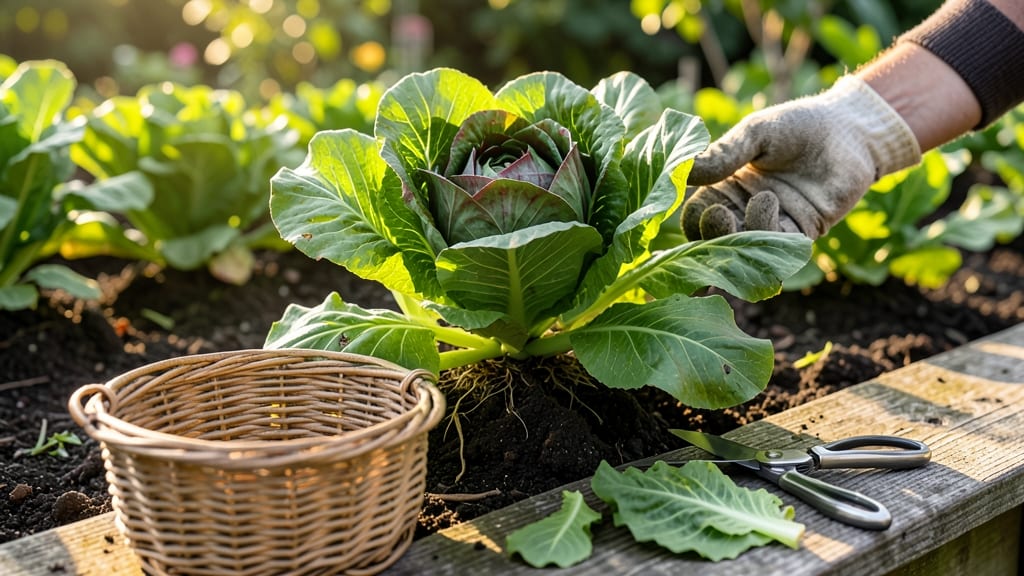
To pick lettuce from your garden at the perfect moment means crisp, flavorful leaves that keep coming back—no bitter surprises or wilted disappointment.
Picture this: you reach for a leaf, and it snaps cleanly, vibrant green and tender, while the plant beneath stays lush and ready for more. That’s the golden window of harvest, and missing it means sacrificing both quality and future growth.
Timing isn’t just about days after planting—it’s about leaf size, firmness, and even the weather. A 4- to 6-inch leaf with a deep green hue and a crisp snap is your cue, but heat or drought can rush the process.
Below, I’ll break down the exact signs to watch for, plus how to harvest without killing your plant.
Master these tricks, and you’ll enjoy a steady supply of homegrown salad greens all season long—no guesswork, just reliable, leaf-by-leaf bounty.


Optimal lettuce harvesting times by variety and growth stage
Knowing when to pick lettuce from your garden depends entirely on the variety you're growing. Loose-leaf types like butterhead or oakleaf can be harvested repeatedly, while romaine and iceberg need whole-head picking. Each type matures at different rates, so understanding these timelines prevents wasted effort and ensures peak flavor.
The key is watching for leaf size, color intensity, and stem crispness—not just days after planting.
For leaf lettuce varieties, you can start harvesting as soon as the leaves reach 3-4 inches in length. This method lets you enjoy fresh greens for weeks without replanting.
In contrast, head lettuce like romaine should be picked when the head is firm and fully formed, typically between 45-60 days after sowing. Ignoring these cues often leads to bitter, tough leaves or premature bolting—especially in hot weather.
Weather plays a crucial role in determining lettuce harvest readiness. Cool spring and fall temperatures (below 75°F) are ideal for crisp, tender lettuce. When temperatures creep above 80°F, lettuce bolts quickly, sending up bitter flower stalks.
If you're growing in summer, opt for heat-tolerant varieties like Jericho or Black Seeded Simpson, which can handle slightly warmer conditions while still delivering quality harvests.
Here’s a quick reference to help you time your harvests perfectly:
| Variety | Days to Maturity | Harvest Cues | Best Harvest Method | Seasonal Notes |
|---|---|---|---|---|
| Loose-Leaf (e.g., Butterhead, Oakleaf) | 28-45 days | Leaves 4-6" long, crisp, vibrant color | Cut outer leaves (leave inner leaves) | Harvest repeatedly for weeks |
| Romaine (e.g., Paris Island) | 50-60 days | Firm head, dark green, 6-8" tall | Cut entire head at base | Avoid summer heat; prefers cool weather |
| Butterhead (e.g., Bibb, Boston) | 45-55 days | Soft, buttery leaves, 6-10" diameter | Harvest whole head or outer leaves | Sensitive to heat; plant in spring/fall |
| Iceberg (e.g., Great Lakes) | 70-80 days | Tight head, crisp, pale green | Cut entire head at soil level | Slow-growing; needs consistent moisture |
| Leaf Lettuce (e.g., Red Sails) | 30-40 days | Individual leaves 3-5" long | Snip or pinch leaves as needed | Fast-growing; great for succession planting |
For loose-leaf varieties, I recommend starting harvests when the outer leaves reach 4-6 inches in length. Use clean, sharp scissors or pruners to snip leaves just above a leaf node (the point where leaves attach to the stem).
This encourages regrowth and extends your harvest season by 3-4 weeks. Avoid pulling leaves by hand, as this can damage the plant and invite pests.
When harvesting head lettuce, wait until the head is fully formed and firm to the touch. Gently grasp the base of the head and twist it free or use a sharp knife to cut it at the soil line.
If you notice the core starts to loosen or the leaves turn bitter, it’s past its prime. For romaine, this usually happens around 50-60 days, while iceberg takes longer due to its slower growth rate.
Pay attention to leaf color as a final readiness check. Healthy lettuce leaves should be vibrant and consistent in color—deep green for most varieties or the expected hue for colored types like red romaine. If leaves appear pale or yellowing, the plant may be nutrient
Leaf-by-leaf harvesting techniques for continuous lettuce production
Mastering leaf-by-leaf harvesting extends your lettuce harvest season by encouraging regrowth. Instead of cutting the entire plant, you selectively remove outer leaves while leaving the inner core intact. This method works especially well for loose-leaf varieties like romaine or butterhead, but even head lettuce can benefit with proper care.
The key is timing—harvest when leaves reach 4-6 inches long but before they become tough or bitter.
Using the right tools makes all the difference. Clean, sharp scissors or your fingers work best. Avoid dull blades that tear leaves, creating entry points for disease. For outer-leaf removal, grasp the leaf at its base and gently twist or snip just above the next leaf.
This minimizes damage to the growing point while maximizing yield. Always harvest in the morning after dew dries for crispest leaves and faster recovery.
Step-by-Step Leaf-by-Leaf Harvesting
- Step 1: Wait until outer leaves reach 4-6 inches and are firm but tender.
- Step 2: Use clean scissors or fingers to grasp the outer leaf base.
- Step 3: Cut or twist just above the next leaf at a 45-degree angle to avoid damaging the core.
- Step 4: Leave 2-3 inches of stem attached to encourage regrowth.
- Step 5: Harvest every 2-3 days during peak growth for continuous production.
- Step 6: After harvesting, water deeply and apply light mulch to retain moisture.
Post-harvest care is just as critical as the cutting technique. After removing leaves, water the plant deeply to replenish moisture lost during harvesting. A 1-inch layer of mulch helps retain soil moisture and suppresses weeds.
For loose-leaf varieties, you can continue harvesting outer leaves every 2-3 days throughout the growing season. In cooler climates, this method can extend harvests into late fall or even winter with row covers.
Timing your harvests correctly prevents bolting (premature flowering) and bitterness. Avoid harvesting during hot afternoons when stress increases. Instead, focus on morning harvests when leaves are crispest. If your lettuce starts to bolt—indicated by tall, flowering stems—stop harvesting immediately and let it go to seed for next year’s crop.
This ensures you don’t waste energy on a bitter, unusable plant.
For head lettuce varieties, leaf-by-leaf harvesting isn’t ideal, but you can still encourage regrowth by cutting the entire head just above the soil line when mature. Leave the inner leaves and roots intact, then water and fertilize lightly.
New leaves will sprout from the base, though the quality may not match the original harvest. This trick works best with butterhead varieties, which are more forgiving than crisphead types.
Remember, over-harvesting is the fastest way to kill your lettuce plant. Never remove more than one-third of the plant at a time, and always leave the inner rosette of leaves untouched.
With patience and consistency, you’ll enjoy a continuous supply of fresh lettuce from a single planting—no need to replant every few weeks! 🥬