
Picking
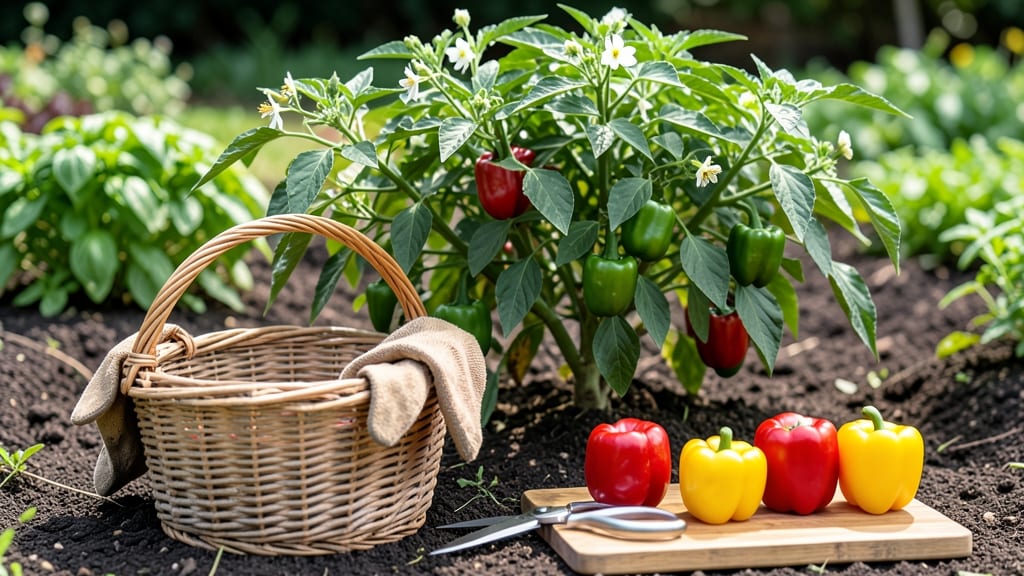
Picking peppers from the garden at the right time means the difference between mild, mealy pods and bold, sweet, or fiery flavors that’ll make your dishes pop.
Harvesting too early means waiting for flavor, while leaving them too long can turn them mealy or even rot on the vine. The trick? Watching for three key color cues—and knowing when to act before the weather changes.
In Zone 6a, where summer heat meets early autumn chills, timing matters even more. A pepper’s color shift from green to red, yellow, or orange isn’t just about looks—it’s your cue that sugars are peaking and spice is intensifying.
Below, I’ll break down the exact stages to watch for, how to test firmness like a pro, and even how to stretch your harvest into fall—so you’re not left with a bumper crop and no time to enjoy it.


3 Color-based cues to harvest peppers at peak ripeness
Peppers are nature's flavor powerhouses, but their taste transforms dramatically as they ripen. That green pepper you snagged too early? It's mild and crunchy. Wait for the red stage, and you unlock sweetness or fiery heat.
The key lies in color cues—each shade signals a different flavor profile and texture. Understanding these harvest windows ensures you enjoy peppers at their absolute best, whether you're craving sweet bell peppers or smoky jalapeños.
Most pepper varieties follow a predictable color progression: green → yellow → orange → red. Each stage offers unique qualities—green peppers are crisp and mild, while red peppers pack maximum sweetness and depth. Even yellow and orange stages bring distinct flavors.
The challenge? Knowing exactly when to pluck them for peak ripeness. Below, I’ll break down the color-based cues and share my foolproof method for harvesting peppers at their flavor zenith.
🌶️ Pro Tip: Some varieties, like jalapeños or serranos, are best harvested green for maximum heat. Others, like bell peppers or poblano, shine when fully ripe. Always check your plant’s variety description for guidance.
| Stage | Color Cue | Flavor Profile | Harvest Window | Storage Life |
|---|---|---|---|---|
| Green | 🟢 Solid green, glossy skin | Crisp, mild, slightly tart | 60–75 days after transplant (varies by variety) | 3–5 weeks (refrigerated) |
| Yellow | 🟡 Bright yellow, may have green stem | Sweeter, slightly fruity, less heat | 75–90 days (after green stage) | 2–3 weeks (refrigerated) |
| Orange | 🟠 Deep orange, firm skin | Balanced sweetness and heat, rich flavor | 90–100 days (after green stage) | 2 weeks (refrigerated) |
| Red | 🔴 Vibrant red, may wrinkle slightly | Sweetest, most intense flavor, less heat | 100–120 days (after green stage) | 1–2 weeks (refrigerated) |
| Overripe | 🟤 Dull, wrinkled, soft | Bland, seedy, mushy texture | Avoid—harvest before this stage! | 1 week (if edible) |
For bell peppers, aim for a deep, consistent color—green is fine if that’s your goal, but red or yellow varieties reach peak sweetness when fully ripe.
My jalapeños, on the other hand, are often harvested green for a sharper kick, but leaving them on the plant longer mellows the heat into a smoky depth.
Always check the variety’s ideal harvest stage—some, like poblano, are best when green but develop richer flavors as they ripen to red.
The firmness test is your secret weapon. Gently squeeze the pepper—it should yield slightly but still feel firm. If it’s rock-hard, it’s underripe; if it’s soft or wrinkled, it’s overripe. Pair this with the color cue, and you’ll never miss the perfect moment.
For example, a red bell pepper should be glossy and deep red, while a jalapeño might still be green but firm with a slight give.
Regional climates play a role too. In hotter zones (8–10), peppers ripen faster—sometimes in as little as 60 days. In cooler zones (3–6), they may take 100+ days to reach full color.
If your summers are short, opt for early-maturing varieties like 'Early California Wonder' or 'Lunchbox'. For longer seasons, heirloom varieties like 'Cherokee Purple' or 'Anaheim' reward patience with bold flavors.
Don’t overlook the stem color for green-to-red varieties. A yellowing stem is your signal that the pepper is transitioning to its final color. This is often the last chance to harvest before it fully ripens.
If you’re growing peppers for storage, harvest at the green stage—they’ll keep longer and maintain crispness. But if you’re after maximum flavor, wait for the deepest color your variety can achieve.
One mistake I’ve made? Leaving peppers on the plant too long. Overripe peppers lose flavor, become seedy, and develop a mealy texture. They’re still edible, but they’re
Common mistakes that ruin pepper flavor (and how to avoid them)
Picking peppers at the wrong stage can turn your homegrown bounty into bland, tough, or even bitter disappointments. I’ve learned the hard way that underripe peppers taste like rubber, while overripe ones turn mushy and lose their signature sweetness or heat.
The key lies in mastering the firmness test and recognizing subtle color cues that most gardeners miss.
Many assume green peppers are always underripe, but some varieties like jalapeños or serranos are best harvested green for maximum heat. Meanwhile, sweet bell peppers left too long on the vine develop dry, leathery skin and a dull flavor. Understanding these nuances transforms your harvest from mediocre to mouthwatering.
⚠️ callout-warning ⚠️
🚨 Danger Zone: The 3 Signs You're Picking Too Early
- 🤏 Firm as a rock: Press a pepper gently—if it feels like a stress ball, it’s not ready.
- 🟢 Pale or patchy color: Vibrant, consistent hues mean ripeness; dull spots mean wait.
- 🌱 Stem still green: For colored varieties, a yellow stem base signals peak ripeness.
Waiting just 2-3 more days can turn a bland pepper into a flavor explosion.
The firmness test is your secret weapon. A ripe pepper should yield slightly to gentle thumb pressure—like a ripe avocado. If it springs back, it’s underripe; if it feels mushy, it’s overripe.
For bell peppers, the stem should snap cleanly when bent, while hot peppers often detach easily when fully ripe.
Temperature plays a sneaky role too. Peppers grown in hot climates (above 85°F) often ripen unevenly, making color a less reliable guide. In these zones, prioritize size consistency over color—most varieties reach full flavor at 3-6 inches long, regardless of hue.
I’ve had red jalapeños in Texas that stayed green but packed maximum heat.
Don’t fall for the myth that all peppers must turn red to be sweet. Yellow and orange varieties like numex or shishito reach peak flavor at their mature color, not red.
Harvesting them earlier preserves their delicate, almost floral notes. Always check your variety’s color progression chart—it’s your flavor roadmap.
Pro tip: Use a sharp pair of pruning shears to harvest, leaving a small stem intact. This prevents disease entry and encourages more peppers to form. I’ve seen gardeners tug peppers off, creating jagged wounds that invite pests. A clean cut means cleaner flavor and healthier plants.