
Picking
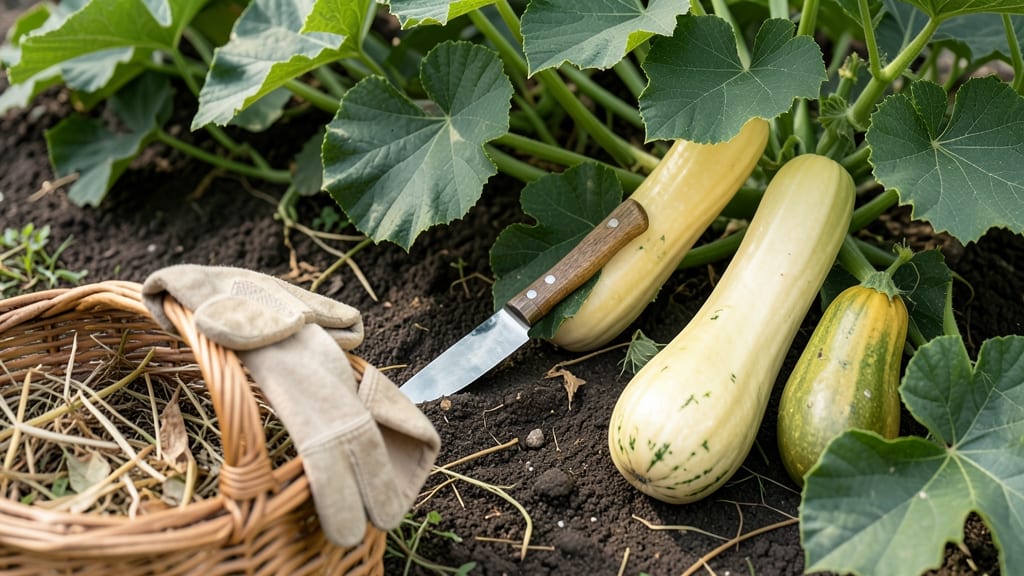
To pick spaghetti squash from your garden at the perfect moment means the difference between tender, noodle-like strands and a tough, inedible mess.
Harvesting too early leaves you with underripe flesh that’s more like rubber than pasta, while waiting too long turns the insides into a gummy, overcooked disaster. The key? Knowing when the 🎃 is ready to come off the vine—and it’s all about the color, texture, and a little science.
Most gardeners wait until the rind turns a dull yellow (not bright green) and the stem dries out like parchment paper. But there’s more to it than just color—firmness, weight, and even the time of day play a role in nailing that ideal harvest window.
In this guide, I’ll walk you through three tactile tests to check ripeness, the best time of day to harvest, and what to do if you miss the window. No more guesswork—just perfect spaghetti squash every time.
3 Tactile tests to determine spaghetti squash ripeness (touch-based guide)
Harvesting spaghetti squash at the wrong time can turn your garden bounty into a culinary disappointment—tough, stringy strands instead of tender, pasta-like threads. The good news?
You don’t need fancy tools or lab tests to know when it’s time to pick. Three simple touch-based tests will tell you everything you need to know about ripeness, right in your hands.
Spaghetti squash relies on physical cues more than visual ones, which makes these tactile tests especially reliable. Unlike some squash varieties that change color dramatically, spaghetti squash often looks ready when it’s not—or past ready when it seems perfect.
That’s why mastering these three methods will save you from overripe squash that’s too soft or underripe squash that’s still hard and green inside.
Before we dive into the tests, here’s a pro tip: always harvest on a dry morning after the dew has evaporated. Wet squash can give false readings when you test them, leading to mistakes that cost you perfect harvests. Now, let’s get tactile!
👆 3 Tactile Tests for Spaghetti Squash Ripeness
-
Test 1: The Stem Twist
Gently twist the stem near the squash. If it snaps cleanly and the stemhead separates easily, your squash is ready. A fresh, moist stem means it’s not ripe yet. -
Test 2: The Thump Test
Tap the squash firmly with your knuckle. A ripe squash will sound hollow (like a drum). If it thuds like a watermelon, it’s underripe. Overripe squash may feel mushy when tapped. -
Test 3: The Skin Squeeze
Press your thumb into the skin near the blossom end. The skin should yield slightly but not dent deeply. If it springs back immediately, it’s ready. A deep dent means it’s overripe.
✅ Pro Tip: Combine all three tests for the most accurate reading.
Let’s break down each test so you can avoid the two most common mistakes: picking too early (which results in hard, green strands) or waiting too long (which leads to mushy, waterlogged flesh).
The stem twist test is particularly telling because it checks the squash’s internal maturity without cutting into it.
The thump test might feel a bit like guessing at first, but once you hear that hollow ring of a perfectly ripe squash, you’ll never confuse it with an underripe one again.
I’ve found that squash harvested at this stage consistently yields those silky, spaghetti-like strands we all love. Overripe squash, on the other hand, will sound dull and feel spongy when tapped.
Don’t overlook the skin squeeze test—this is where many gardeners go wrong. A squash that’s too firm under pressure is underripe, while one that dents easily is overripe. Aim for that just-right firmness, like a ripe avocado.
This test also helps you avoid squash that’s been sitting too long on the vine, which can develop a mealy texture inside.
One mistake I see often is relying solely on color. While a dull yellow rind is a good sign, some spaghetti squash varieties stay greenish longer. That’s why tactile tests are non-negotiable.
For example, a green-skinned variety like ‘Honey Bear’ might look unripe even when it’s perfect to harvest. Always combine these tests with visual cues for the best results.
If you’re harvesting in cooler climates, time becomes even more critical. Spaghetti squash matures faster in warm weather but slows down when temperatures dip. In these cases, prioritize the stem twist test—it’s the most reliable indicator of internal readiness regardless of external conditions.
Once you’ve confirmed ripeness with these tests, harvest your squash using a sharp pruning shear or knife, leaving a 1-inch stem attached. This helps the squash cure properly and prevents rot.
Store them in a cool, dry place (around 50°F) for up to two months, checking periodically for soft spots that signal spoilage.
Mastering these tactile tests will transform your spaghetti squash harvests from hit-or-miss to consistently perfect. Next time you’re in your garden, grab a squash and give these methods a try—your taste buds will thank you! 🎃
Best time of day and seasonal factors for picking spaghetti squash
Timing your spaghetti squash harvest is everything—picking too early gives you tough, underdeveloped strands, while waiting too long results in overripe, stringy flesh. The best time of day to harvest is morning after dew has dried, when the squash has cooled slightly.
This ensures you’re assessing its true ripeness without the heat of the afternoon skewing your judgment.
Seasonal factors play a huge role too. In USDA Zones 4-6, aim for late August to early September when daytime temps hover around 75-85°F. In warmer zones (7-10), your window extends into October, but watch for first frost warnings—spaghetti squash won’t tolerate freezing, even briefly.
Sunlight exposure directly impacts ripeness. Squash growing in full sun (6+ hours daily) ripen faster and develop sweeter, more tender strands than those in partial shade. If your plants are in morning sun only, they’ll take 10-14 extra days to mature, so adjust your harvest timeline accordingly.
| Factor | Optimal Conditions | Zone-Specific Timing |
|---|---|---|
| Time of Day | Morning (6-9 AM) | Cooler temps prevent overripeness |
| Sunlight Needs | 6-8 hours direct sun | Partial shade = delayed ripening |
| Seasonal Window | Late summer to early fall |
Zones 4-6: Aug 20-Sep 10
Zones 7-10: Sep 1-Oct 15 |
| Temperature Range | 75-85°F daytime | Below 65°F slows ripening |
| Frost Risk | Harvest before first frost | Even light frost ruins texture |
Morning harvests also let you avoid the afternoon slump—squash picked in the heat may appear ripe but actually overmature due to daytime warmth.
For textural perfection, always harvest when the skin is dull yellow (not bright orange) and the stem is dry and papery—this combo guarantees the best strands.
Pro tip: If you’re in a humid climate, harvest slightly earlier than the seasonal window to prevent rot or mold. In arid regions, you can wait until the skin starts wrinkling—this indicates the plant is pulling moisture inward, concentrating sugars in the flesh.
Finally, never store freshly picked spaghetti squash in the fridge—let it cure for 3-5 days in a warm, dry place (70-80°F) to develop its full sweetness. This step transforms good harvests into great ones. 🌱