
Planting
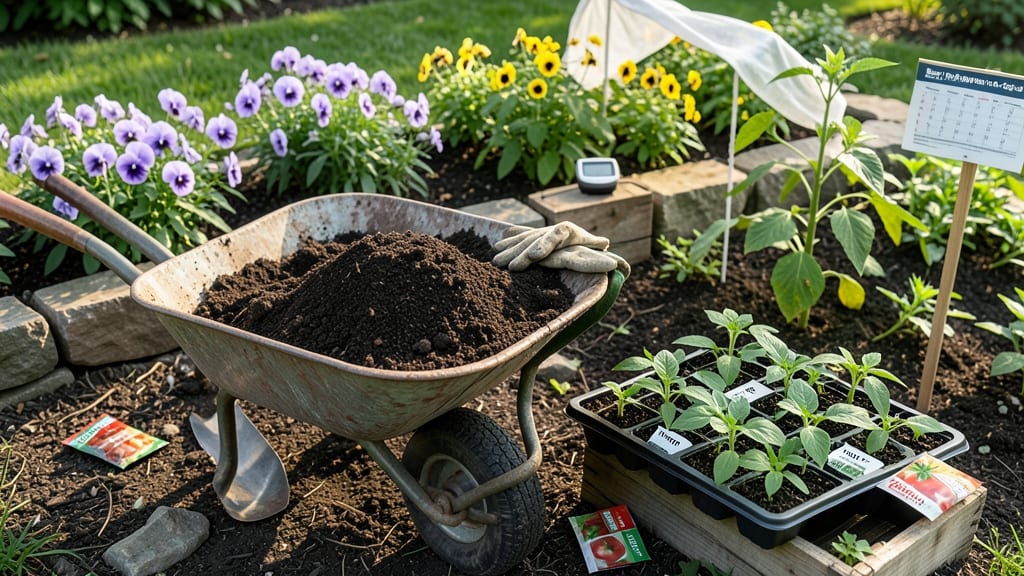
Planting a garden in Georgia at the right time means the difference between a bumper crop and a sad, wilted mess 🌱—and the clock starts ticking after the last frost, which varies wildly between Zone 7a’s chilly north and Zone 8b’s warmer south.
Georgia’s warm climate and long growing season make it a gardener’s paradise—but planting at the wrong time can mean lost crops or stunted growth. Timing is everything, especially when balancing frost risks between Zone 7a’s cooler north and Zone 8b’s milder south.
For cool-season crops like broccoli and pansies, you’ve got a short window in late February to early April, while warm-season favorites like tomatoes and peppers wait until soil warms to 60°F—usually mid-April in most regions.
Below, I break down the exact frost dates by zone, the best plants for each season, and how to adjust for microclimates—so you can finally stop guessing and start growing with confidence.
Georgia frost dates by Zone 7a and 8b: critical planting windows
Understanding Georgia frost dates is your first step to a thriving garden. In Zone 7a (north Georgia, including Atlanta), the average last frost date is around March 15, while Zone 8b (south Georgia, near Savannah) typically sees its last frost by February 28.
These dates mark when it's safe to plant warm-season crops like tomatoes and peppers.
Conversely, the first frost arrives earlier in Zone 7a—around November 15—compared to Zone 8b’s December 1. This means fall planting windows are shorter in the north, requiring careful timing for cool-season crops like broccoli and kale.
Microclimates, like valleys or urban areas, can shift these dates by 1-2 weeks, so always monitor local forecasts.
| Zone & Location | Last Spring Frost | First Fall Frost | Safe Planting Window | Key Crops |
|---|---|---|---|---|
| Zone 7a (Atlanta, North GA) | March 15 (±7 days) | November 15 (±7 days) | Late March–Early April (spring) / Late August–Early Sept (fall) | Tomatoes, Peppers, Basil, Zinnias |
| Zone 8b (Savannah, South GA) | February 28 (±7 days) | December 1 (±7 days) | Early March–Mid-April (spring) / Late Sept–Early Oct (fall) | Okra, Sweet Potatoes, Marigolds, Snapdragons |
| Microclimates (Valleys, Urban) | Up to 2 weeks earlier | Up to 2 weeks later | Adjust ±10 days based on local data | Cold-hardy greens, Pansies |
For spring planting, wait until soil temperatures reach 60°F for warm-season crops. In Zone 7a, this often aligns with mid-April, while Zone 8b gardeners can start as early as late February.
Use row covers to extend early seasons if needed, but avoid planting frost-sensitive crops like tomatoes until after the last frost.
Fall planting offers a second chance for cool-season vegetables. In Zone 7a, sow broccoli and kale by August 15 for a harvest before frost. Zone 8b’s longer window allows for September plantings of spinach and carrots.
Always account for mature harvest times—a 60-day crop planted in late August won’t be ready until early November.
Historical data shows Zone 7a has a 10% chance of frost after April 15, while Zone 8b’s risk drops to 5% after March 15. Use the National Weather Service or Georgia Extension Service frost prediction tools to refine your timeline.
For example, Atlanta’s Blue Ridge area often experiences later frosts than downtown.
Adjust for microclimates like south-facing slopes, which warm up faster, or low-lying areas, prone to colder air pooling. In these spots, plant heat-loving crops like peppers 1-2 weeks later than average dates. Conversely, urban heat islands can push spring planting back by a week in paved areas.
Pro tip: Start warm-season seeds indoors 4-6 weeks before your zone’s last frost. For Zone 7a, this means mid-February starts for tomatoes and eggplants. Use grow lights to simulate long daylight hours and harden off seedlings before transplanting.
This strategy maximizes your growing season and compensates for Georgia’s unpredictable late frosts.
Don’t overlook fall planting for perennials like azaleas or daylilies. These thrive when planted in late summer or early fall, allowing roots to establish before winter. In Zone 8b, you can even plant tender perennials like oleander as late as November 1, thanks to milder winters.
Track your garden’s success by noting actual frost dates each year. Over time, you’ll refine your planting windows to match your specific microclimate. For instance, if your Atlanta suburb consistently sees frost by November 1, shift fall plantings to mid-September for cool-season crops.
Remember, Georgia’s frost dates are guidelines, not rules. Combine them with soil temperature gauges, local weather alerts, and a little flexibility to make the most of your garden’s potential. With the right timing, you’ll enjoy bountiful harvests from spring to fall! 🌱
Best vegetables and flowers to plant in Georgia by season (with frost tolerance guide)
Georgia’s two distinct planting seasons—cool and warm—determine which vegetables and flowers thrive. Zone 7a’s cooler north (like Atlanta) has earlier frost risks, while Zone 8b’s milder south (like Savannah) enjoys longer growing windows. Knowing frost tolerance helps you extend harvests and avoid wasted seeds.
Cool-season crops like kale, broccoli, and pansies love spring’s mild temps (March–May) and fall’s crisp air (September–November). Warm-season staples—tomatoes, peppers, and marigolds—crave summer heat (May–July) but wilt in frost. Below, I’ll break down frost-tolerant vs. heat-sensitive plants and seasonal swaps to keep your garden productive year-round.