
Planting
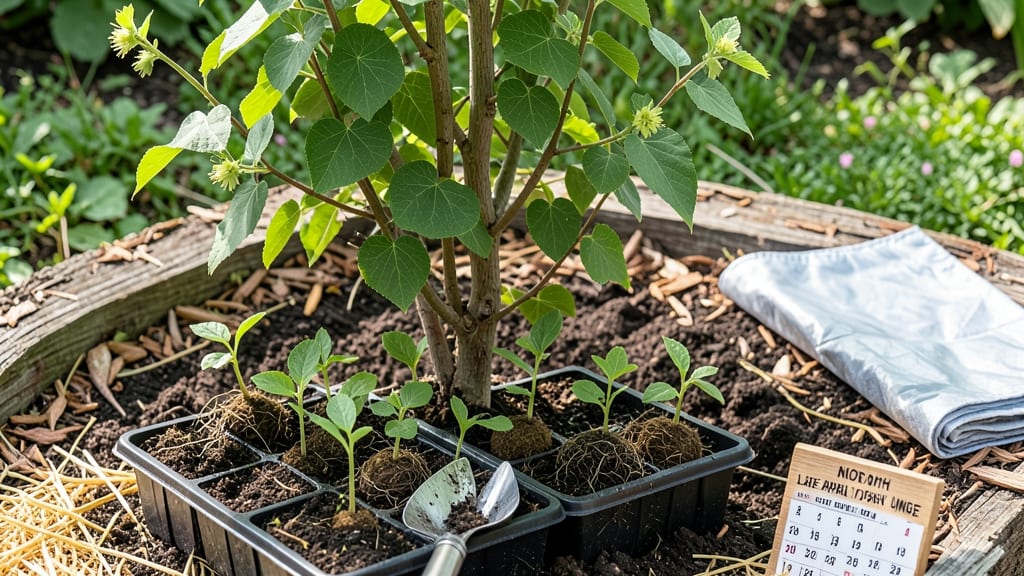
Planting a garden in North Dakota means timing is everything—your 120-day growing season starts after the last frost around May 10 and ends by September 15, so every week counts.
North Dakota’s short growing season demands precision timing to maximize your garden’s success—plant too early and risk frost damage, too late and miss peak harvests. Knowing exactly when to plant each crop can mean the difference between a thriving garden and wasted effort.
Cool-season crops like peas and lettuce can go in as early as April 15, while warm-season favorites like tomatoes and peppers need to wait until soil warms to 50°F—usually late May. Succession planting and row covers can stretch your harvest window even further.
Below, I break down the best planting schedule by crop type, frost-free dates by region, and pro tips to beat North Dakota’s challenges—so you get the most out of every seed you sow.
North Dakota’s frost-free dates by region: critical timing for planting
North Dakota’s growing season is short but productive when you align your planting schedule with frost-free dates. The state spans USDA Zones 3b-4b, meaning last spring frosts typically arrive between May 10–25, while first fall frosts hit Sept 1–15.
These dates vary by region, so knowing your exact zone is key to avoiding frost damage and maximizing yields.
For example, western ND (Zone 3b) has later frost dates—sometimes as late as May 25—while eastern ND (Zone 4a) can see frost as early as May 10.
Similarly, fall frosts arrive earlier in the north than in the south. Understanding these variations helps you choose cold-hardy crops for early planting or fast-maturing varieties for late-season harvests.
Here’s a region-by-region breakdown of frost dates and ideal planting windows for both cool-season crops (like peas and spinach) and warm-season crops (like tomatoes and peppers). This table will help you plan your garden with confidence, whether you’re in Fargo, Bismarck, or Minot.
| Region | Last Spring Frost | First Fall Frost | Frost-Free Days | Cool-Season Planting Window | Warm-Season Planting Window |
|---|---|---|---|---|---|
| Northwest (Minot, Dickinson) | May 15–25 | Sept 1–10 | 110–120 days | April 15–May 10 | June 1–July 15 |
| Northeast (Grand Forks, Fargo) | May 10–20 | Sept 5–15 | 120–130 days | April 1–May 5 | May 25–June 30 |
| Central (Bismarck, Jamestown) | May 12–22 | Sept 1–12 | 115–125 days | April 10–May 8 | May 30–July 10 |
| Southeast (Valley City, Wahpeton) | May 10–18 | Sept 10–18 | 125–135 days | March 20–May 5 | May 20–July 5 |
Cool-season crops like spinach, peas, and lettuce can often be planted 4–6 weeks before your last frost date.
For instance, in Fargo (Zone 4a), you can start planting these as early as April 1, while in Minot (Zone 3b), wait until April 15 to avoid frost damage. Use row covers or cold frames to extend your planting window even further for these hardy crops.
Warm-season crops like tomatoes, peppers, and cucumbers need to wait until after your last frost date and until the soil warms to at least 50°F (10°C).
In western ND, this might not happen until late May or early June, while eastern ND can plant as early as mid-May. Choose fast-maturing varieties (like ‘Early Girl’ tomatoes) to ensure a harvest before the first fall frost.
Fall planting is also a great strategy in North Dakota. You can start cool-season crops like kale, carrots, and radishes as early as July 1 in most regions, giving them time to mature before the first frost.
In southern ND (Zone 4a), you might even squeeze in a second planting of spinach or peas in early August for a late harvest.
To further protect your plants, consider using season extenders like row covers, cold frames, or low tunnels. These can push your planting windows by 2–4 weeks in both spring and fall.
For example, a row cover might let you plant broccoli or cabbage in early April instead of waiting until May.
Always check your local Almanac or ND State Climate Office for the most up-to-date frost dates, as microclimates can vary even within a city. With the right timing, you can enjoy a bountiful garden despite North Dakota’s short growing season! 🌱
Best planting schedule for North Dakota crops: from potatoes to zucchini
North Dakota’s short growing season means every week counts when planning your garden. I’ve spent years perfecting my planting schedule here, and the key is knowing which crops thrive in early spring versus those that need warm soil to germinate.
Start with cold-hardy crops like peas and spinach in April, then transition to heat-loving plants like tomatoes and peppers after the last frost.
Your planting timeline should account for frost dates—most of ND experiences its last spring frost around May 10-25 and first fall frost by September 15. This gives you roughly 120 frost-free days, so choose fast-maturing varieties or use succession planting to stretch your harvest.
For example, I plant bush beans every 2 weeks from June to July to keep the harvest going all summer.
🌱 North Dakota Planting Schedule by Month
- April: Potatoes (plant seed potatoes 2-3 weeks before last frost), peas, spinach, kale, and onions. Use row covers for early starts.
- May: Lettuce, radishes, carrots, and cabbage after last frost. Plant broccoli and cauliflower in early May for summer harvests.
- Late May: Tomatoes, peppers, and eggplants (start indoors in April). Wait until soil is 55°F+ and night temps stay above 50°F.
- June: Beans, squash, cucumbers, and corn. Succession plant zucchini every 2 weeks for continuous harvests.
- July: Fall crops like kale, spinach, and radishes for late-season harvests. Plant garlic in late summer for next year.
One of my biggest mistakes early on was planting tomatoes too soon—even with row covers, they struggled in cool soils. Now, I wait until late May when soil temps hit 60°F+ and night temps stay above 50°F.
For potatoes, I plant them in early April under mulch to protect from frost, then hill soil as they grow to prevent greening.
Succession planting is a game-changer in ND. For example, I plant bush beans in three batches: June 1, June 15, and July 1. This ensures a steady supply instead of one overwhelming harvest.
Similarly, lettuce and radishes can be sown every 2 weeks from May to August for fresh greens all season.
Don’t overlook fall planting—it’s how I extend my harvest into October. I direct-sow spinach, kale, and radishes in early July for a late-season crop. These cool-season crops thrive as summer heat fades, and a light frost actually sweeten their flavor.
Just be ready to cover them if an early frost sneaks in!
Pro tip: Mark your calendar for August 15—this is my cutoff for planting warm-season crops like beans and squash. After that, the days get too short, and plants won’t mature before frost. Instead, focus on fast-maturing varieties or cold-hardy crops like garlic and overwintering onions.