
Planting
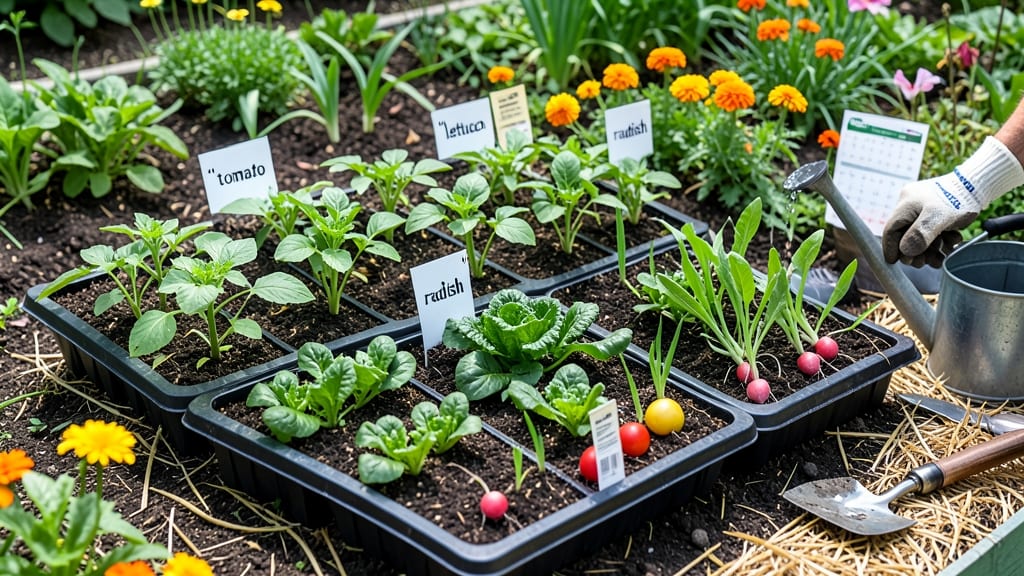
To plant a garden in Ohio, aim for mid-April to mid-May after the average last frost date of April 15 — timing this right means the difference between a bountiful harvest and a sad, frost-nipped disappointment.
Ohio’s unpredictable spring weather can make or break your garden. One week you’re dreaming of tomatoes, the next you’re scrambling to cover seedlings before a surprise freeze.
Knowing your zone’s frost dates isn’t just helpful — it’s your roadmap to success, especially in USDA zones 6a-6b where a late frost can wipe out weeks of work.
Cool-season crops like lettuce and peas can handle a light frost, but warm-season favorites like tomatoes and peppers need the soil to stay warm for weeks. That’s why I’ve broken down the exact planting windows you need, plus how to adjust if Mother Nature throws a curveball.
By the end, you’ll know not just when to plant, but how to protect your garden from Ohio’s quirks — so you can enjoy fresh veggies from spring to fall without the guesswork.
Ohio’s last frost dates by Zone: when to plant cool-season crops
Ohio’s USDA Hardiness Zones 5a-6b create a diverse planting landscape, but frost dates are the real game-changer for cool-season crops. In northern Ohio (Zone 5a), the average last frost arrives around April 20-25, while southern Ohio (Zone 6b) typically sees frost-free conditions by April 5-10.
These dates determine when you can safely plant lettuce, spinach, peas, and broccoli—your garden’s early-season superstars.
Timing matters because cool-season crops like kale and radishes can handle light frosts, but tender seedlings like cabbage or cauliflower will bolt or die if exposed to 28°F or below.
Even a 32°F dip can stunt growth, so knowing your zone’s historical frost patterns is non-negotiable for a productive garden.
Here’s the zone-by-zone breakdown of Ohio’s last frost dates and ideal planting windows for cool-season crops, plus how to adjust for microclimates like urban heat islands or sheltered valleys.
| Zone | Avg. Last Frost | Safe Planting Window | Best Cool-Season Crops | Microclimate Tip |
|---|---|---|---|---|
| 5a (Northeast OH) | April 20-25 | May 1-10 (after frost) | Peas, spinach, kale, lettuce | Use row covers for early starts |
| 5b (Central OH) | April 10-15 | April 20-May 1 | Broccoli, cabbage, radishes | Watch for frost pockets in valleys |
| 6a (Southwest OH) | April 5-10 | April 15-25 | Spinach, peas, arugula, carrots | Urban areas warm up faster |
| 6b (Southeast OH) | March 30-April 5 | April 1-15 | Lettuce, onions, beets, collards | Extend season with cold frames |
If you’re in Zone 5a, don’t rush to plant spinach or peas before May 1—even a late frost can wipe out your seedlings. I’ve learned this the hard way!
For Zone 6b, you can start lettuce and radishes as early as mid-March under row covers or in a greenhouse to jumpstart growth.
Microclimates throw a wrench into these averages. A south-facing slope in Zone 5b might warm up 2 weeks earlier than a north-facing valley. Urban gardens in Columbus or Cincinnati (Zone 6a) can be 5-7°F warmer than rural areas, letting you plant cool-season crops 1-2 weeks ahead.
Always monitor your local weather station or use the 10-day rule: Wait until 10 days have passed without frost before planting tender seedlings.
For peas and spinach, you can actually plant them 4-6 weeks before the last frost date—they’ll tolerate light frosts and even snow. But broccoli and cabbage need consistent warmth to thrive, so hold off until 2 weeks after your zone’s average last frost.
Pro tip: Use frost cloth to protect seedlings if you’re eager to get an early start.
Ohio’s first frost typically arrives between October 10-20, depending on the zone. This means you’ve got 160-180 frost-free days to grow cool-season crops like kale, Brussels sprouts, and carrots.
For a fall harvest, plant these 6-8 weeks before your first frost date. In Zone 6b, that could be as late as September 15!
Adjust your planting schedule based on soil temperature, not just air temperature. Cool-season crops like lettuce and peas need soil temps between 40-50°F to germinate.
Use a soil thermometer to check—if it’s below 40°F, wait a few more days. I always test my soil in early April to avoid disappointment.
Remember, Ohio’s weather is unpredictable. Even if the forecast says frost is over, a late freeze can still sneak in. Keep row covers or plastic mulch on hand for emergency frost protection.
With the right timing and a little flexibility, you’ll maximize your cool-season harvests and set your garden up for success all year.
Best planting schedule for warm-season vegetables in Ohio
Ohio’s warm-season vegetables like tomatoes, peppers, and cucumbers need precise timing to thrive. Planting too early risks frost damage, while waiting too long shortens your harvest. The key is waiting until soil temperatures consistently reach 60°F+—typically mid-May to early June in most of Ohio.
Start seeds indoors 6-8 weeks before your last frost date (around March 20-April 1 for Ohio) to give seedlings a head start. Transplanting too soon can stunt growth, so always check soil warmth with a thermometer before moving plants outdoors.
- 1 Mid-May: Transplant tomatoes and peppers after soil warms to 60°F+ and night temps stay above 50°F. Use row covers if frost threatens.
- 2 Late May: Sow beans and cucumbers directly into warm soil (65°F+). These are heat-loving plants that tolerate cooler soils better than tomatoes.
- 3 June: Extend the season with cold frames or row covers to protect late-season crops. Succession plant beans every 2 weeks for continuous harvests.
- 4 July-August: Watch for pests like aphids and diseases (e.g., early blight on tomatoes). Mulch with straw to retain moisture and prevent soil-borne illnesses.
For northern Ohio (Zone 5a), delay planting until after May 15 to avoid late frosts. In southern Ohio (Zone 6b), you can start as early as mid-April for early varieties. Always harden off seedlings by exposing them to outdoor conditions for 7-10 days before transplanting.
Use black plastic mulch to warm soil faster and suppress weeds. This is especially helpful for peppers, which need consistent warmth to thrive. Water deeply at the base of plants in the morning to prevent fungal diseases like powdery mildew.
Extend your harvest into fall by planting fast-maturing varieties (e.g., bush beans or cherry tomatoes) in early August. Use row covers to protect crops until the first frost (mid-October in most of Ohio).
Pro tip: Mark your calendar for Ohio’s average first frost date (October 15). Plan to harvest tomatoes and peppers before this date or bring them indoors to ripen. With the right timing, you can enjoy fresh garden produce from June through October! 🌱