
Tools
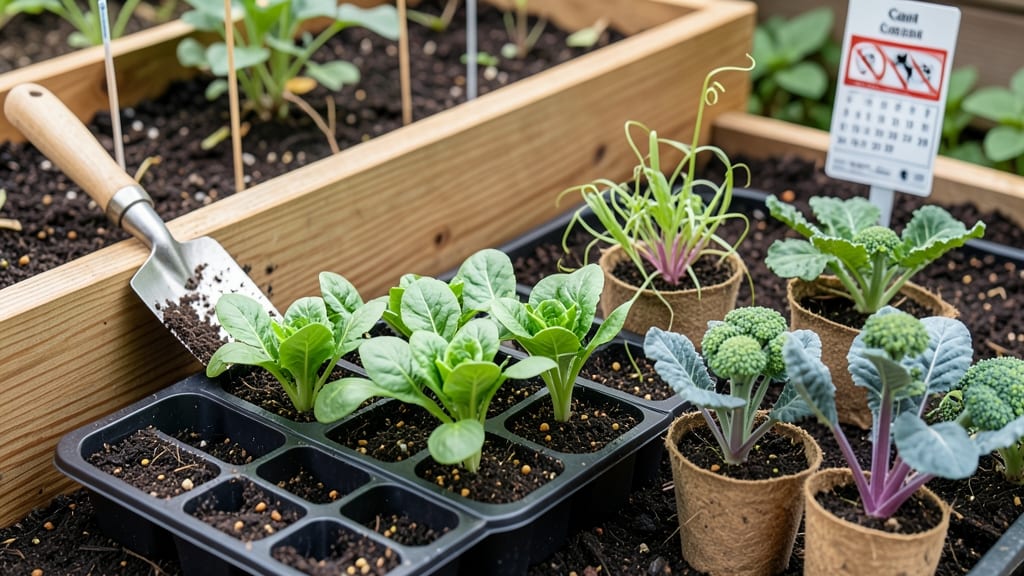
Starting a garden in Ohio means timing your first seeds and transplants to avoid the state’s notorious late frosts — and missing the growing season entirely.
Ohio’s unpredictable frost dates can make or break your garden—plant too early, and you’ll risk losing tender seedlings to late freezes. Plant too late, and you’ll miss the growing season entirely.
Here’s the key: most Ohio gardeners should begin seed-starting indoors by mid-February for cool-season crops like spinach and peas, while warm-season favorites like tomatoes and peppers need to wait until after the average last frost date—usually mid-April to early May, depending on your hardiness zone.
Below, I’ll break down the exact frost dates by Ohio’s USDA zones, share the best planting schedule for your favorite vegetables, and reveal how to stretch your growing season with simple tricks like row covers and succession planting.
Ohio frost dates by hardiness zone: when to plant cool-season vs warm-season crops
Ohio spans USDA hardiness zones 5b through 6b, meaning frost dates vary dramatically between northern and southern regions. In zone 5b (northwest Ohio), the average last spring frost arrives around April 20-30, while zone 6b (south-central Ohio) typically sees its last frost by April 10-20.
These differences can mean the difference between a thriving garden and lost seedlings.
Understanding these frost date averages helps you time cool-season crops like spinach and peas for early planting, while protecting warm-season crops like tomatoes and peppers until soil temperatures rise. Let’s break down the zone-specific planting windows you need to know for Ohio’s two main crop categories.
| Zone | Last Spring Frost | First Fall Frost | Cool-Season Planting | Warm-Season Planting |
|---|---|---|---|---|
| 5b (NW Ohio) | April 20-30 | October 10-20 | March 15 - April 15 (direct sow) April 1 - May 1 (transplants) |
May 15 - June 1 (after soil warms) |
| 6a (Central Ohio) | April 10-20 | October 1-10 | March 1 - April 1 (direct sow) March 20 - April 15 (transplants) |
May 1 - May 15 (after soil warms) |
| 6b (SC Ohio) | April 1-10 | October 15-25 | February 28 - March 31 (direct sow) March 15 - April 1 (transplants) |
April 20 - May 1 (after soil warms) |
*Dates based on 30-year averages; use row covers for earlier planting
For cool-season crops like spinach, peas, and lettuce, you can start seeds indoors as early as February in southern Ohio, while northern gardeners should wait until March 15. These hardy plants thrive in cooler temperatures and can even handle light frosts, making them ideal for Ohio’s early spring.
Direct sow seeds 4-6 weeks before your last frost date for the best results.
Warm-season crops like tomatoes, peppers, and cucumbers require warmer soil temperatures (60°F+) and should only be planted after your last frost date. In zone 5b, wait until May 15, while zone 6b gardeners can start as early as April 20.
Use a soil thermometer to confirm temperatures before planting—cold soil can stunt growth.
Transplanting seedlings is another key strategy. Start tomato and pepper seedlings indoors 8-10 weeks before your last frost date (around March 1 in southern Ohio, March 15 in northern Ohio). Harden off seedlings for 7-10 days before transplanting after your last frost to reduce shock.
Fall planting offers a second chance for cool-season crops. In zone 5b, sow seeds 60-70 days before your first frost (around August 15), while zone 6b gardeners can extend planting until September 15. Fast-maturing varieties like bush beans and radishes work well for fall harvests.
Pro tip: Use row covers or cold frames to extend your planting window by 2-4 weeks in spring and fall. These protective layers can raise soil temperatures and shield young plants from unexpected late frosts. Always check your local Cooperative Extension Service for microclimate-specific frost date updates each year.
Remember, Ohio’s frost dates aren’t set in stone. A late spring freeze in May or an early October frost can happen. Keep a garden journal to track your local frost dates over the years and adjust your planting schedule accordingly.
With these zone-specific guidelines, you’ll be ready to plant with confidence—no more guessing games!
🌱
Best planting schedule for Ohio’s most popular vegetables (with frost tolerance guide)
Ohio’s unpredictable frost dates mean timing is everything when planting your garden. Some vegetables thrive in cool weather, while others need warm soil to germinate. Understanding each plant’s frost tolerance helps you avoid costly mistakes—like losing tender seedlings to late spring frosts or missing harvests because you planted too late.
Below is my go-to planting schedule for Ohio’s most popular vegetables, organized by frost tolerance. I’ve included indoor start dates, outdoor transplant windows, and maturity timelines to help you plan for Ohio’s 5b-6b hardiness zones.
Whether you’re in Columbus, Cincinnati, or Cleveland, these guidelines will keep your garden on track.
- 1. Hard Frost-Tolerant (Plant Early): Spinach, Peas, Lettuce, Kale, Radishes – Direct sow 2-4 weeks before last frost (typically March-April). These handle 28°F or higher.
- 2. Semi-Hardy (Plant After Frost Risk): Broccoli, Cabbage, Carrots, Beets – Start indoors 6-8 weeks before last frost (late February-March), transplant after April 15.
- 3. Warm-Season (Wait for Soil Warmth): Tomatoes, Peppers, Eggplants – Start indoors 8-10 weeks before last frost (early March), transplant after May 15 when soil hits 60°F+.
- 4. Heat-Lovers (Plant Late): Okra, Southern Peas, Sweet Potatoes – Direct sow after June 1 when nights stay 70°F+.
- 5. Fall Crops (Extend Season): Bush Beans, Kale, Spinach – Sow 6-8 weeks before first frost (late July-August) for harvests through October-November.
For northern Ohio (e.g., Cleveland, Toledo), wait until May 1 for warm-season crops, while southern Ohio (e.g., Cincinnati, Dayton) can plant 2 weeks earlier. Always check your local last frost date—I recommend tracking the Ohio State Extension frost maps for real-time updates.
Succession planting is key in Ohio’s short season. For example, bush beans can be sown every 2 weeks from May through July to ensure a steady harvest. Meanwhile, lettuce and radishes grow quickly (30-60 days), making them perfect for late summer or early fall plantings.
Don’t forget about fall harvesting! Crops like kale and carrots actually sweeten in cold weather. Plant them in late July or August for a winter harvest before the first hard frost (usually mid-October to November in most of Ohio).
If you’re new to gardening in Ohio, start with 5-10 easy crops like lettuce, radishes, and tomatoes. These are forgiving and give you confidence before tackling trickier plants like peppers or eggplants, which need consistent warmth to thrive. Happy planting! 🌱