
Planting
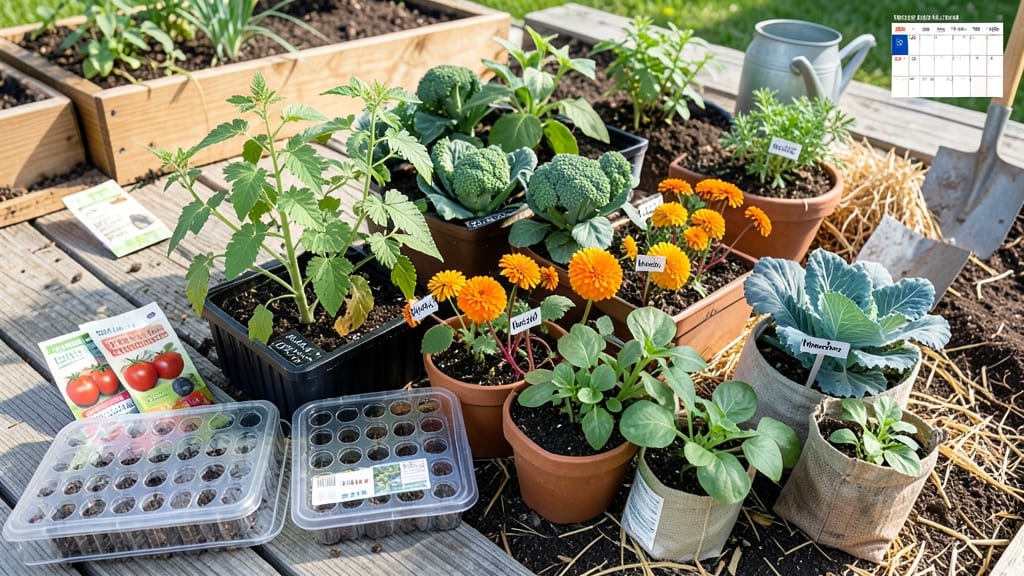
Planting a garden in Virginia means timing your seeds and starts to avoid frost in the North or sweltering heat in the South — a balance that makes all the difference between a thriving harvest and a wasted effort.
Virginia’s diverse climate—from the humid subtropical South to the temperate Piedmont—means your garden’s success hinges on timing. Plant too early, and frost will strike; too late, and your harvest could miss peak flavor.
Whether you’re sowing cool-season crops like broccoli or waiting for the soil to warm for tomatoes, knowing your USDA zone and local frost dates is the key. I’ll walk you through the exact windows for vegetables, flowers, and perennials, plus how to stretch your growing season with simple tricks.
By the end, you’ll have a clear plan to plant confidently—no more guessing or lost crops. Let’s get started with the zone-by-zone breakdown you need.
Virginia’s frost-free dates by planting Zone: what you Must Know
Virginia’s gardening season varies dramatically from the cool mountain valleys of Zone 5a–6a to the warm coastal plains in Zone 7a–8a. Knowing your last frost date is critical—plant too early, and frost will kill tender seedlings; too late, and your harvest suffers.
The 10-day rule is your secret weapon: wait until the 10% frost risk drops before planting warm-season crops.
Microclimates complicate things. Richmond’s urban heat islands can be 2–3 weeks earlier than nearby rural areas, while the Shenandoah Valley often sees frost linger past the state average.
Always check local frost data and adjust for your yard’s specific conditions—like south-facing slopes that warm faster or low-lying spots that freeze first.
Here’s your zone-by-zone breakdown of frost-free dates and planting windows, so you can time cool-season crops (like broccoli and spinach) for early spring and warm-season crops (like tomatoes and peppers) for after the last frost. Use this as your garden’s command center for timing.
| USDA Zone | Avg. Last Frost | 10% Frost Risk Date | Cool-Season Planting | Warm-Season Planting |
|---|---|---|---|---|
| 5a–6a (Mountains) | April 15–May 1 | May 5–15 | March–April | May 20–June 1 |
| 6b–7a (Piedmont) | April 1–April 15 | April 20–May 5 | February–March | April 25–May 15 |
| 7b–8a (Coastal Plain) | March 15–April 1 | April 1–April 15 | January–February | March 20–April 10 |
For Zone 5a–6a gardeners, cool-season crops like kale and carrots can start as early as late February under row covers. In Zone 7a–8a, you can plant spinach in January for an early harvest.
The key is to stagger plantings—sow lettuce every 2 weeks in spring for a continuous supply.
Warm-season crops (tomatoes, peppers, squash) must wait until after the 10% frost risk date. In Zone 5a–6a, that’s often mid-May, while Zone 7a–8a gardeners can plant as early as late March. Use black plastic mulch to warm soil faster in cooler zones.
Don’t forget succession planting! In Zone 7a–8a, you can squeeze in two harvests of bush beans by planting the first batch in April and the second in July. Even in Zone 5a–6a, a late-July planting of radishes or turnips can yield before frost.
Pro tip: Monitor local weather using tools like the National Weather Service’s frost prediction maps. If your area is 1–2 zones warmer than the average (common in urban heat islands), adjust your planting dates 1–2 weeks earlier.
Conversely, valleys and low spots may need 3–4 extra weeks of caution.
For container gardening, which heats up faster, you can plant warm-season crops 2–3 weeks earlier than in-ground gardens. Just ensure your containers have drainage holes and use heat-retentive fabrics like burlap wraps to protect roots from late frosts.
Remember: First frost dates matter too! In Zone 5a–6a, expect frost by October 15–November 1, while Zone 7a–8a can often extend the season until December 1. Use this to plan fall crops like garlic (plant in October) or winter spinach (plant in September).
Your garden’s success starts with knowing your zone and respecting frost dates. Use this guide as your planting calendar, but always stay flexible—Virginia’s weather is unpredictable, and a frost watch can save your tomato seedlings
Best planting times for Virginia’s top 10 vegetables and herbs
Timing is everything in Virginia’s garden—where a single week can mean the difference between a bumper crop and bolted lettuce. The state’s USDA Zones 5a–8a create dramatic differences in planting windows, from Zone 5a’s short 140-day growing season to Zone 8a’s extended 240+ days.
I’ll break down the optimal planting months for Virginia’s most popular vegetables and herbs, including succession planting tricks to maximize your harvest.
For cool-season crops like broccoli and spinach, aim to plant 4–6 weeks before your last frost date (typically mid-March to early April in Zone 7a). Warm-season lovers such as tomatoes and peppers need soil temperatures above 60°F—usually late April to early May in the North, but March in Zone 8a.
Even within these windows, microclimates matter: Richmond’s urban heat islands warm faster than the Shenandoah Valley.
- 1. Tomatoes: Plant after last frost (Zone 5a: May 15; Zone 8a: March 15). Use heat-tolerant varieties like 'Celebrity' for late starts.
- 2. Peppers: Start indoors 8–10 weeks before last frost; transplant after soil warms (60°F+). Try 'Carolina Wonder' for Zone 7a’s heat.
- 3. Broccoli: Sow early spring (March) or fall (August). Zone 5a gardeners can get two crops/year with succession planting.
- 4. Basil: Direct-sow after frost (May in Zone 6a). Pinch back for bushier growth—key for pesto production!
- 5. Lettuce: Plant early spring (March) or late summer (August) for fall harvests. Use heat-tolerant varieties like 'Black Seeded Simpson'.
- 6. Green Beans: Sow 1–2 weeks after last frost. Zone 8a can plant again in August for fall beans.
- 7. Cucumbers: Wait until soil is 70°F+ (May–June). Trellis for space-saving and disease prevention.
- 8. Carrots: Start early spring (March) or late summer (July). Loosen soil to prevent forking—critical for straight roots.
- 9. Onions: Plant early spring (February–March) for summer harvests. Use sets or transplants for faster growth.
- 10. Basil & Cilantro: Basil thrives in hot summers (Zone 7a+); cilantro bolts fast—sow successively every 2 weeks.
Don’t overlook succession planting—it’s how Zone 7a gardeners squeeze two lettuce crops or three green bean batches into one season. For example, after harvesting your first spring broccoli in June, replant with bush beans or radishes to fill the gap.
In Zone 5a, focus on fast-maturing varieties like 'Early Girl' tomatoes (65 days) to beat frost.
For herbs, basil and cilantro are polar opposites: basil loves heat (plant after frost) while cilantro bolts in 60°F+ weather—so start it in early spring or late summer.
If you’re in Zone 8a, you can even grow winter greens like spinach in fall for a holiday harvest! Just remember: soil prep is key—amend beds with compost before planting to give your crops a strong start.
Pro tip: Use row covers for early starts in Zone 5a–6a to extend your season by 2–3 weeks. And always check your local frost dates—they can vary by 10–14 days even within the same zone.
With these timing tricks, you’ll turn Virginia’s short or long seasons into a year-round gardening success!