
Planting
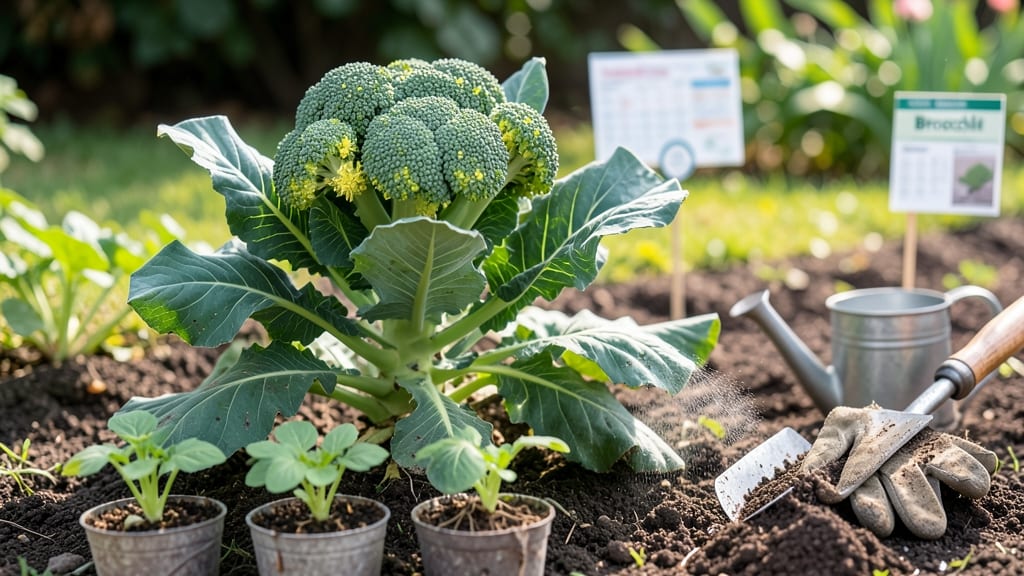
Planting a vegetable garden in Northern California at the right time means the difference between a thriving harvest and a sad, wilted mess — and the window shifts wildly from the Bay Area to the Central Valley.
Northern California’s diverse microclimates—from coastal fog to inland heat—can turn gardening success into a guessing game if you plant at the wrong time. But mastering the frost-free timeline means bountiful harvests year-round, whether you’re growing tomatoes in Sonoma or lettuce in Sacramento.
Most gardeners in the Bay Area can start cool-season crops like broccoli and carrots as early as February, while the Central Valley waits until March to avoid late frosts.
Warm-season veggies like peppers and squash, though, need to wait until soil temperatures hit 60°F, which can mean May in the mountains but April near the coast.
Below, I break down the exact frost-free dates by region, the best planting months for your top crops, and how to adjust for unpredictable weather—so you can finally get that garden right.
Northern California frost-free dates by region: coastal vs. valley vs. mountain
Northern California’s frost-free dates vary wildly—from coastal fog belts where chilly air lingers into May to inland valleys that warm up by March. These differences mean your San Francisco garden and Sacramento plot follow completely different planting timelines.
Understanding these microclimates helps you avoid late-season frosts that can wipe out tender seedlings.
For this guide, I’ve focused on the 10°F threshold—the standard for last frost dates—and included adjustments for heat zones that affect early vs. late planting.
Whether you’re in the Bay Area hills, Central Valley, or Sierra foothills, these dates will help you time your vegetable garden for maximum success.
Pro Tip: Always check your local USDA Plant Hardiness Zone (most of Northern California falls between Zone 8 and 10) and monitor microclimate variations in your neighborhood. A street canyons or hilltops may frost 1-2 weeks later than the surrounding area.
If you’re in the San Francisco Bay Area, your last frost date typically falls between mid-April and early May, giving you a longer growing season for cool-season crops.
However, the coastal fog can delay soil warming, so I recommend waiting until late April to plant warm-season vegetables like tomatoes and peppers. Use row covers or cold frames to extend your season into October for fall harvests.
The Sacramento Valley enjoys an earlier last frost date (early to mid-March), making it ideal for early planting of warm-season crops. This region’s Zone 8-9 climate allows you to grow peppers and eggplants year-round with minimal protection.
However, be cautious—heatwaves in July and August can stress plants, so shade cloth and consistent watering are essential.
For Central Coast gardeners (Santa Cruz to Monterey), your last frost date is usually late March to early April, but the coastal fog creates a unique challenge. While the air stays cool, the ocean breeze can actually protect plants from frost better than inland areas.
This makes it possible to grow cool-season crops like Brussels sprouts and artichokes well into June.
Gardeners in the Sierra foothills face the shortest growing season, with last frost dates ranging from mid-April to early May. The higher elevation means cooler temperatures, so focus on fast-maturing varieties of potatoes, peas, and radishes.
Use black plastic mulch to warm the soil and plant cold-hardy greens as early as February under cloches or row covers.
To adjust for unpredictable weather, I recommend planting cold-hardy varieties like spinach and kale 2-3 weeks before your region’s average last frost date. For heat-sensitive crops such as lettuce and peas, use shade cloth in late summer to prevent bolting.
Always monitor local weather forecasts and consider succession planting to maximize your harvest.
One common mistake is planting warm-season crops too early in cooler microclimates. For example, tomatoes planted in March in
Best planting months for 10 essential Northern California vegetables
Northern California’s microclimates create unique planting windows for each vegetable. Coastal areas like San Francisco have milder winters, while inland Sacramento Valley experiences hotter summers. Timing is everything—plant too early, and frost will kill tender crops; too late, and summer heat will stress them.
Let’s break down the ideal planting months for 10 must-grow vegetables, plus succession planting tips to keep your harvests flowing.
For cool-season crops like lettuce and broccoli, start in early spring (March-April) or late summer (August-September) for fall harvests. Warm-season plants such as tomatoes and peppers need to wait until after the last frost—typically May-June in most regions.
Garlic and onions, however, are planted in fall (October-November) for an early spring harvest. Let’s dive into the specifics for each vegetable.
- 1
- 2
- 3
- 4
- 5
- 6
- 7
- 8
- 9
- 10