
Planting
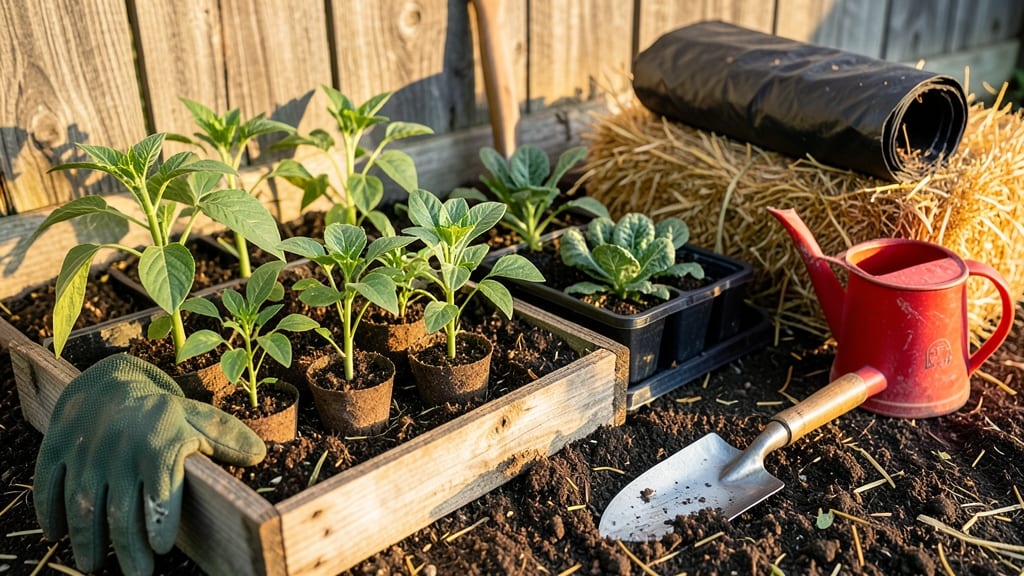
Planting a vegetable garden in Mississippi means timing your crops right to avoid frost damage or missed harvests—your best window is late February to early April for spring and August to early September for fall.
Mississippi’s warm climate and long growing season make it a gardener’s paradise—but timing is everything. Plant too early, and frost can wipe out your hard work; too late, and you’ll miss peak harvests.
Here’s your exact planting schedule for Mississippi’s vegetable garden, broken down by crop type and last-frost dates to maximize your yield.
Cool-season crops like lettuce and broccoli thrive in Mississippi’s 7b-9a zones, while warm-season favorites such as tomatoes and peppers need to wait until soil temperatures hit 60°F—usually after mid-March in most regions.
I’ll show you how to adjust for North, Central, and Gulf Coast differences, so you never plant at the wrong time.
You’ll also discover how to stretch your growing season with succession planting, which crops handle Mississippi’s humidity best, and when to start seeds indoors for a head start. Let’s get your 🌱 vegetable garden growing strong all year.
Mississippi last-frost dates by region: when to start planting vegetables
Mississippi’s last-frost dates vary dramatically from the North (Jackson) to the Gulf Coast, creating three distinct planting zones. In Jackson (Zone 7b-8a), the average last frost falls around March 15, while Meridian (Zone 8a) sees its last frost by March 1.
The Gulf Coast (Zone 8b-9a) often escapes frost entirely, with February 15 as a safer benchmark. These differences mean your cool-season crops like lettuce and broccoli can go in weeks earlier in the south than in the north.
Understanding these regional frost dates helps you align your planting with soil temperatures and crop maturity timelines. For example, warm-season crops like tomatoes and peppers need soil temps above 60°F—typically April 1 in Jackson but as early as March 1 in the Gulf Coast.
Meanwhile, cool-season crops thrive when planted 4-6 weeks before the last frost, giving them time to mature before summer heat sets in.
| Region | Last Frost Date | USDA Zone | Cool-Season Planting Window | Warm-Season Planting Window |
|---|---|---|---|---|
| North (Jackson) | March 15 | 7b-8a | February 15 - March 15 | April 15 - May 1 |
| Central (Meridian) | March 1 | 8a | January 20 - February 20 | March 20 - April 1 |
| South (Gulf Coast) | February 15 (rare) | 8b-9a | January 1 - February 10 | February 20 - March 1 |
For cool-season crops like lettuce, spinach, and broccoli, start seeds indoors 6-8 weeks before your last frost date. In Jackson, that means January 20, while Gulf Coast gardeners can begin as early as December 15.
These crops handle light frosts but bolt (go to seed) quickly in warm weather, so plan for succession planting every 2 weeks until April 1.
Warm-season crops like tomatoes, peppers, and okra demand warm soil and consistent heat. In Jackson, wait until April 15 to plant, while Meridian can start March 20. The Gulf Coast’s mild winters allow early starts as soon as February 20.
Use black plastic mulch or row covers to warm soil faster if needed—this can shave 1-2 weeks off your planting timeline.
Microclimates add another layer to Mississippi’s planting puzzle. Urban areas like Jackson may experience 2-3°F warmer nights due to the heat island effect, while rural farms in the Delta might see colder pockets near water bodies.
Adjust your planting by 1 week earlier in urban zones and 1 week later in frost-prone areas. Always check Mississippi State Extension’s frost alerts for real-time updates.
Fall planting follows a reverse timeline. For cool-season crops like kale and carrots, aim to plant 8-10 weeks before your first frost (typically October 1 in Jackson, September 15 in the Gulf Coast).
Warm-season crops like sweet potatoes and squash can handle light frosts and may even sweeten after a light freeze, making them ideal for late-summer plantings.
Mississippi’s humidity and heat also influence planting. Okra and sweet potatoes thrive in the Gulf Coast’s heat, while cabbage and brussels sprouts prefer the cooler north.
If you’re in Zone 9a, consider year-round planting for heat-tolerant crops like eggplant and peppers, but always monitor soil moisture—Mississippi’s clay soils can dry out quickly in summer.
Pro tip: Use frost-sensitive plants like tomatoes as a can
Best vegetables to plant in Mississippi by season: a month-by-month guide
Mississippi’s humid subtropical climate lets you grow vegetables year-round with the right timing. The key is understanding warm-season vs. cool-season crops and their ideal planting windows. For example, tomatoes and peppers thrive in summer’s heat, while collards and kale prefer cooler temperatures.
Let’s break down the best month-by-month planting schedule for Mississippi’s top 12 vegetables, including succession planting tips to keep your harvests flowing.
Start by noting your last-frost date, which typically falls between mid-March (North MS) and early March (South MS). Use this as your guide for cool-season crops, while warm-season crops should wait until soil temperatures hit 60°F or warmer.
For example, okra and sweet potatoes can handle Mississippi’s summer heat, but lettuce and broccoli will bolt if planted too late in spring. Let’s dive into the specifics.
- February-March: Plant cool-season crops like collards, kale, and spinach after the last frost. Start onion and broccoli seeds indoors for transplanting later.
- April: Sow carrots, beets, and radishes for early spring harvests. Begin hardening off tomato and pepper seedlings for transplanting in May.
- May-June: Plant warm-season staples like tomatoes, peppers, okra, and sweet corn. Use succession planting for beans and cucumbers every 2 weeks for continuous harvests.
- July-August: Sow fall crops like turnips and mustard greens for late-season harvests. Start broccoli and cabbage indoors for September planting.
- September: Plant winter squash, pumpkins, and late okra. Transplant cool-season seedlings like lettuce and spinach for fall harvests.
- October-November: Focus on hardy greens like collards and kale, which thrive in cooler weather. Avoid planting tender crops after the first frost.
Mississippi’s long growing season allows for two full harvests—spring and fall—plus a summer bounty.
For example, tomatoes planted in May-June will yield until frost, while a fall planting in August can produce a second crop. Succession planting is your best friend here: Sow beans or cucumbers every 2-3 weeks from May through July to avoid gluts and gaps.
Don’t overlook heat-tolerant varieties like ‘Celebrity’ tomatoes or ‘Clemson Spineless’ okra, which thrive in Mississippi’s humidity. For cool-season crops, opt for ‘Winterbor’ kale or ‘Georgia Southern’ collards, which handle light frosts.
Always check soil moisture—Mississippi’s clay soil can dry out quickly in summer, so mulch heavily to retain water.
Plan for continuous harvests by staggering plantings. For instance, lettuce can be sown in February, August, and October for spring, summer, and fall harvests. Similarly, green onions can be cut-and-come-again from March through November with regular trimming. This approach ensures you’re never without fresh produce.
Pro tip: Use row covers in early spring or late fall to extend the season for heat-sensitive crops like peppers. In summer, provide afternoon shade for lettuce to prevent bolting. With this schedule, you’ll enjoy homegrown vegetables year-round—no grocery store needed!