
Planting
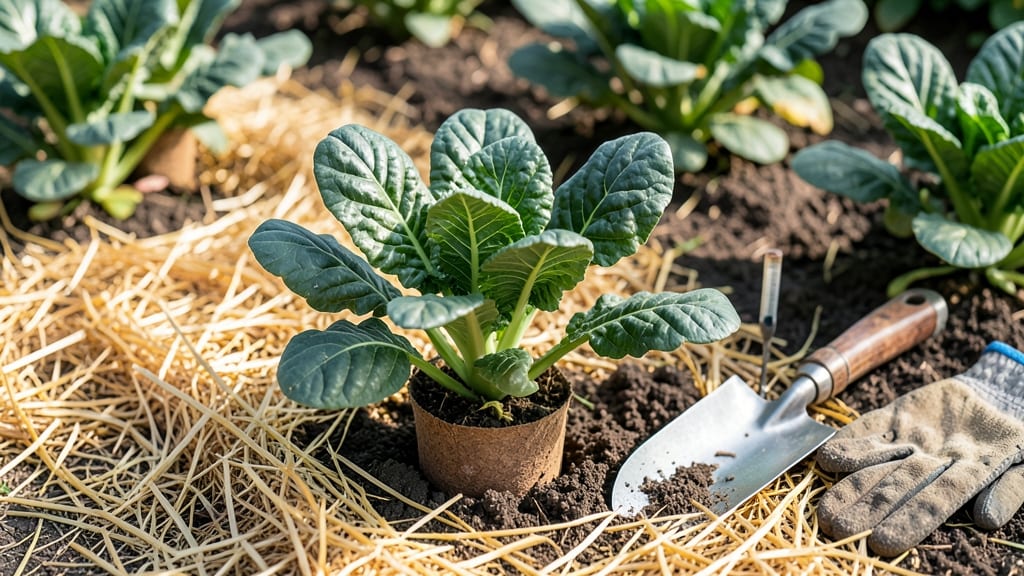
Planting your fall garden in Mississippi between late July and early September ensures a bountiful harvest before frost hits.
Mississippi’s long, hot summers can make fall gardening a game-changer—but timing is everything. Plant too early, and your crops face scorching heat; too late, and frost ruins your harvest. Here’s your precise planting schedule for Mississippi’s Heat-Zone 8B, designed to maximize yield with zero frost risk.
In Mississippi’s USDA Zones 8a-9a, the first frost typically arrives around mid-November, giving you a 6-8 week window to get your 🥬 fall garden vegetables in the ground.
Cool-season crops like broccoli, kale, and spinach thrive when planted 4-6 weeks before frost, while heat-tolerant greens like Swiss chard can handle a later start.
Below, I’ll break down the exact planting dates for your favorite crops, soil prep tips to beat Mississippi’s heavy clay, and how to stretch your harvest into December. No more guessing—just a foolproof plan for a garden that delivers.
Mississippi heat-zone 8B fall planting deadlines by crop type
Mississippi’s Heat-Zone 8B offers a narrow window for fall planting—typically between mid-July and early September. The key is planting 6-8 weeks before your average first frost (around November 15 in most areas).
For example, cool-season crops like broccoli need 60-80 days to mature, while fast-growing greens like spinach can handle 30-40 days before frost. Timing ensures your plants mature before winter chills set in.
Your soil temperature is the ultimate deciding factor. Most cool-season crops germinate best when soil is between 50°F and 70°F, while warm-season holdovers like tomatoes need 70°F+ to thrive. Use a soil thermometer to check—if temps drop below 60°F, switch to frost-tolerant varieties like kale or collards.
Here’s your critical planting timeline for Mississippi’s Zone 8B, broken down by crop type and frost sensitivity. Planting after these deadlines risks stunted growth or frost damage, so mark these dates on your calendar now!
| Crop Type | Last Planting Deadline | Days to Maturity | Soil Temp for Germination | Frost Tolerance |
|---|---|---|---|---|
| Cool-Season Vegetables (Leafy Greens, Broccoli, Cabbage) | Early September (8/15-9/1) | 30-80 days | 50°F-70°F | Moderate to High |
| Root Crops (Carrots, Beets, Radishes) | Late August (8/20-8/31) | 40-70 days | 55°F-75°F | High |
| Warm-Season Holdovers (Tomatoes, Peppers, Okra) | Mid-July (7/15-7/31) | 60-90 days | 70°F+ | Low (frost-sensitive) |
| Herbs (Cilantro, Parsley, Dill) | Late August (8/20-8/31) | 20-60 days | 50°F-65°F | Moderate |
| Flowers (Pansies, Snapdragons, Calendula) | Early September (8/15-9/1) | 30-70 days | 55°F-70°F | High (many tolerate frost) |
For warm-season crops like tomatoes and peppers, the mid-July deadline is non-negotiable. These plants cannot tolerate frost and need 90+ days to mature. If you miss this window, opt for fast-maturing varieties like 'Early Girl' tomatoes (60 days) or 'Jalapeño M' peppers (70 days).
Plant them in raised beds or black plastic mulch to extend the season by 2-3 weeks.
If you’re growing cool-season crops, focus on broccoli, cabbage, and kale—they thrive in cooler temps and can even survive light frosts. For example, 'Waltham 29' broccoli takes 70 days to mature, so plant it by August 15 for a late-October harvest.
Use row covers in early fall to protect young plants from unexpected chills.
Herbs like cilantro and dill are cool-season superstars in Mississippi. They bolt (go to seed) in hot weather, so plant them by late August for a harvest before frost. Parsley, however, is biennial and can overwinter in Zone 8B if mulched heavily.
For flowers, pansies and snapdragons are frost-hardy and can be planted until early September for colorful fall displays.
Pro tip: Use seed starting dates to your advantage. For crops like lettuce or radishes, you can sow seeds every 2 weeks from mid-August to early September for a staggered harvest. This ensures you’re always picking fresh produce instead of facing a glut all at once.
Just remember: radishes mature in 25 days, so your last planting should be by August 20.
Don’t forget to harden off seedlings before transplanting. If you started plants indoors, expose them to
How to adjust your fall planting schedule for Mississippi’s microclimates
Mississippi’s diverse landscapes—from urban heat islands to rural wooded areas—create microclimates that can shift your ideal planting window by 2-4 weeks. What works in a shady backyard in Jackson might fail in a sun-baked downtown planter. Understanding these variations lets you fine-tune your schedule for perfect fall harvests.
Urban gardens often face heat islands where pavement and buildings trap heat, delaying the first frost by 1-2 weeks. Meanwhile, rural areas with elevation changes or tree cover may experience frost 10-14 days earlier.
Tools like frost-free date calculators (from the Mississippi State Extension) and soil thermometers ($15-$25) help you adjust planting times with precision.
Input your ZIP code into tools like Mississippi State’s Planting Calendar to get your localized first frost date. Urban areas like Biloxi (Zone 8B) often have 10-day later frost dates than rural Tupelo (Zone 7B).
Every 1,000 feet in elevation can delay frost by 3-5 days. In Mississippi, this matters most in the Tombigbee Hills region. Plant broccoli or kale 7-10 days earlier if your garden sits 500+ feet above sea level.
Cool-season crops like spinach need soil temps between 45°F-75°F. Use a soil thermometer to confirm readiness—urban soils stay 5-10°F warmer than rural areas at the same time. Wait until temps drop below 85°F for seedlings.
Cities like Jackson and Gulfport can have microclimates 10°F hotter than surrounding areas. If your garden is in a concrete-heavy zone, delay planting warm-season crops like peppers by 2 weeks to avoid bolting.
Walk your garden at dusk with a thermometer. Note areas where temps drop 5°F faster—these are ideal for late-season crops like radishes or turnips. Mark these spots for extended harvest windows.
For urban gardeners, consider container gardening—pots cool faster and let you move heat-sensitive plants to shadier spots as temps drop. Rural gardeners should prioritize windbreaks (like corn stalks or tall grasses) to protect young seedlings from early-morning frosts that hit open fields first.
Pro tip: Plant fast-maturing crops (like bush beans or lettuce) in succession every 10-14 days to stagger harvests. This ensures you’re always 6-8 weeks ahead of frost, regardless of your microclimate.
Track your garden’s unique patterns for 3 years to perfect your schedule—Mississippi’s weather is unpredictable, but your adjustments will pay off with bountiful fall harvests.
🌱