
Planting
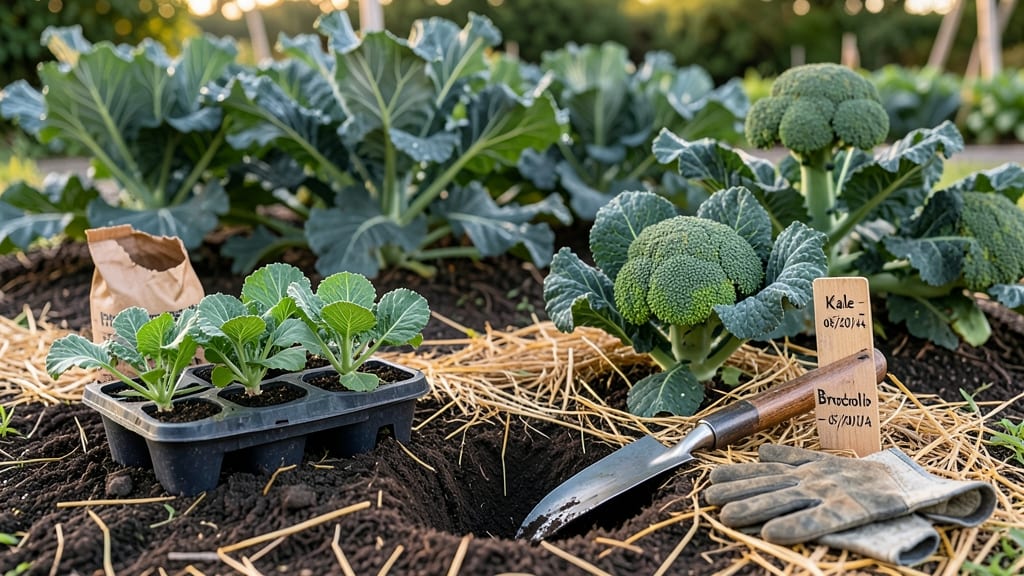
Planting a fall garden in North Texas between mid-August and mid-October sets you up for a harvest just before frost, but timing isn’t just about the calendar—it’s about beating the heat while giving roots time to establish.
North Texas gardeners know timing is everything—plant too early, and your fall crops face scorching heat; too late, and frost ruins your harvest. But with the right schedule, you can grow thriving vegetables from late summer through winter.
In Zone 8a, the key is working with the climate: start heat-tolerant crops like kale and Swiss chard in August, then shift to spinach and carrots by September. The goal? A steady supply of fresh greens and roots before the first frost hits around November 15.
Below, I’ll break down the exact planting windows for your region, how to adjust for microclimates (like Dallas vs. Lubbock), and the three mistakes that kill fall gardens before they even start.
North Texas fall planting calendar: exact dates by crop type
North Texas gardeners face a unique challenge: the 90°F+ summer heat gives way to early November frosts. The key is planting cool-season crops early enough to avoid heat stress but late enough to harvest before frost.
For USDA Zone 8a/b, this means starting in mid-August for fast-maturing varieties and mid-September for heartier plants.
Your first frost date typically arrives November 15, but microclimates in cities like Dallas or Lubbock can shift this by 1-2 weeks. Plan to harvest most crops 6-8 weeks before frost—that’s your window for success.
Warm-season holdovers like tomatoes and peppers need extra care to transition smoothly.
Pro Tip: Use soil thermometers to confirm 50°F+ soil temps before planting cool-season crops. If your soil is still warmer than 70°F, wait 1-2 weeks to avoid stunted growth.
For cool-season crops, aim to plant 6-8 weeks before your average first frost. In North Texas, this means September 15 for most leafy greens and root vegetables. Brassicas like broccoli and cabbage need even more time—start them by mid-August for a November harvest.
If you’re growing warm-season holdovers like tomatoes or peppers, focus on heat-tolerant varieties and mulching. These plants can’t handle frost, so harvest them before October 15 or move containers indoors. Black plastic mulch can extend their season by 2-3 weeks by trapping heat.
Don’t forget about succession planting! For crops like lettuce or radishes, sow new seeds every 2 weeks from August through September. This ensures a continuous harvest before frost sets in. Radishes mature in just 25 days, making them perfect for quick turns.
Watch for unexpected heatwaves in late September—temperatures can still spike into the 90s°F. Use shade cloth (30-50%) over young seedlings to protect them from bolting or heat stress. Drip irrigation keeps soil temps stable and prevents wilting.
Finally, mark your calendar for October 15, the last safe date to plant fast-maturing crops like spinach
How to adjust planting dates for North Texas microclimates
North Texas isn’t one uniform climate—Dallas and Lubbock can feel like different gardening worlds. Dallas’s lower elevation traps heat longer, while Lubbock’s higher altitude cools faster. Even within cities, urban heat islands push planting dates back by 1-2 weeks.
To succeed, adjust your schedule based on microclimates and soil temperature rather than relying on generic frost charts.
Start by testing your soil temperature with a thermometer—most cool-season crops thrive when soil is 50-65°F. In Dallas, this might mean waiting until mid-September, while Lubbock gardeners can plant late August for the same varieties.
Heatwaves can derail your plans, so monitor forecasts and be ready to delay planting or use shade cloth for sensitive seedlings.
- 1 Shift dates 1-2 weeks later in Dallas vs. Lubbock due to higher heat retention near sea level.
- 2 Use row covers to extend fall harvests by 2-3 weeks—ideal for greens like spinach and kale in Zone 8a.
- 3 Cold frames add 10-14°F protection—perfect for hardy crops like carrots and radishes when temps dip below 40°F.
- 4 Plant heat-tolerant varieties (e.g., ‘Black Seeded Simpson’ lettuce) in August for early fall harvests before cooler weather arrives.
- 5 Adjust watering—Dallas soils dry faster; Lubbock needs deeper soaks to prevent bolting in greens like arugula.
Row covers are my secret weapon for fall gardens. A simple floating row cover can push harvests into December for crops like broccoli and cabbage. For extra protection, combine row covers with straw mulch—this combo keeps soil temps stable and reduces stress on plants during sudden cold snaps.
Just remember to remove covers during the day if temps rise above 75°F to avoid overheating.
Cold frames are another game-changer, especially for root vegetables like carrots and beets. A simple DIY frame with Plexiglas can extend your growing season by 4-6 weeks. Place it on elevated beds to prevent waterlogging and monitor soil temps—ideal conditions are 55-65°F.
For maximum efficiency, pair cold frames with black plastic mulch underneath to warm the soil during the day.
Don’t overlook shade cloth for seedlings planted in late summer. A 30% shade cloth can reduce soil temps by 10-15°F, giving delicate greens like mesclun mixes a fighting chance.
And if a heatwave hits after planting, prioritize drip irrigation to keep roots cool. Even a 10°F drop in soil temp can mean the difference between thriving plants and bolting lettuce.
Finally, keep a planting journal to track your adjustments. Note which varieties performed best in your microclimate and when you planted them. Over time, you’ll refine your schedule to match your specific location—whether that’s a Dallas backyard or a Lubbock raised bed.
With these tweaks, you’ll harvest longer, healthier crops even in North Texas’s unpredictable fall weather. 🌱