
Planting
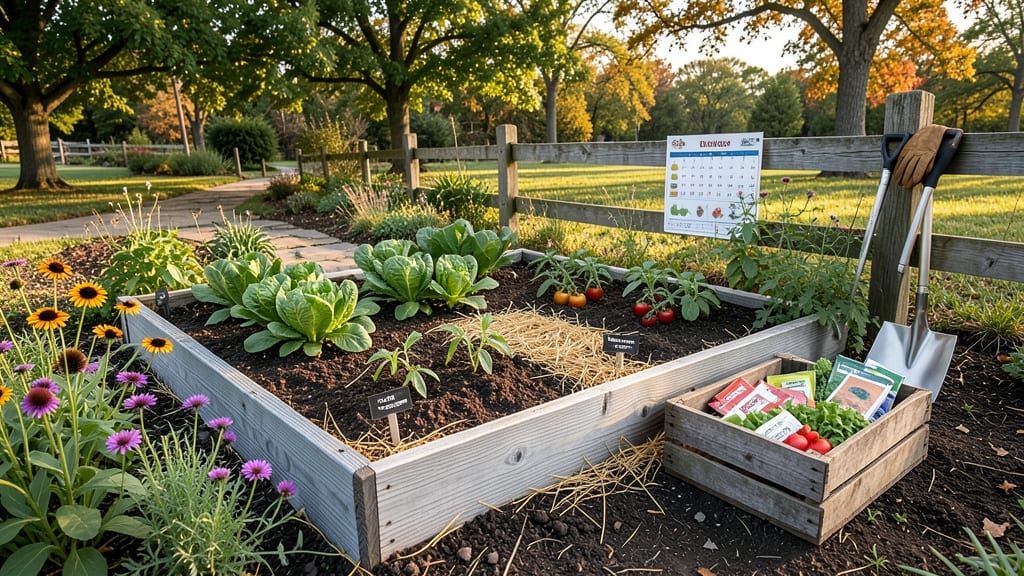
Planting your garden in Kentucky at the right time ensures a thriving harvest instead of a sad, frost-nipped failure—especially with the state’s tricky frost dates and varied growing zones.
Timing your garden planting in Kentucky can mean the difference between a thriving harvest and a disappointing failure—especially with the state’s unpredictable frost patterns and diverse growing zones.
If you’ve ever rushed to plant peas only to watch them blacken overnight, or waited too long for tomatoes to set fruit, you know how critical those frost-free dates really are.
Below, I break down the exact planting windows for Kentucky’s 6a-7a zones, from cool-season greens in March to heat-loving peppers in June, plus how to push those dates with simple tricks.
Kentucky’s frost-free dates by growing Zone: when to plant vegetables, flowers, and herbs
Kentucky spans USDA Hardiness Zones 5a-7a, meaning frost dates vary dramatically from the Bluegrass Region to the Appalachian Plateau. Understanding your zone helps you time cool-season crops (like lettuce and peas) for early planting and warm-season crops (like tomatoes and peppers) for post-frost safety.
According to NOAA data, the average last frost date ranges from late March in Zone 7a to early April in Zone 5a, while the first frost arrives between mid-October and early November.
For Zone 6a-7a gardeners (covering most of Kentucky), the 180-210 frost-free days create a 100-day growing window for warm-season crops. This means you can grow tomatoes, cucumbers, and basil successfully, but you’ll need to plan carefully for cool-season greens like kale and spinach, which thrive in spring and fall temperatures.
Microclimates—like urban heat islands or sheltered valleys—can shift frost dates by 1-2 weeks, so always check local agricultural extension reports.
Here’s a quick reference for Kentucky’s frost-free dates by zone, including ideal planting windows for vegetables, flowers, and herbs:
| Zone | Avg. Last Frost | Avg. First Frost | Cool-Season Planting | Warm-Season Planting | Frost-Free Days |
|---|---|---|---|---|---|
| 5a (Eastern KY) | April 5 | October 25 | March 15–April 15 | May 1–May 15 | 160–180 |
| 6a (Central KY) | March 25 | October 15 | March 1–April 1 | April 15–April 30 | 180–200 |
| 7a (Western KY) | March 15 | November 1 | February 28–March 15 | April 1–April 15 | 200–220 |
*Data sourced from NOAA and University of Kentucky Agricultural Extension
In Zone 5a (eastern Kentucky), cool-season crops like broccoli and cabbage should be sown by March 15 to avoid frost damage, while warm-season crops like peppers and eggplants need to wait until May 1 to ensure soil temperatures stay above 60°F.
Zone 7a gardeners in western Kentucky can start warm-season crops as early as April 1, giving them a longer harvest window for tomatoes and squash.
For flowers and herbs, timing matters just as much. Annuals like marigolds and zinnias can handle light frosts and can be planted as early as April 1 in most zones, while herbs like basil and cilantro prefer warmer soil.
Basil, for example, won’t thrive until soil temperatures reach 70°F, so wait until May 1 in cooler zones or April 15 in Zone 7a.
If you’re growing perennials or woody plants, timing your planting to late fall or early spring (before buds swell) gives roots time to establish before summer heat. For example, roses and daylilies planted in October or March will have a head start compared to summer plantings.
Always check the specific variety’s hardiness—some, like hydrangeas, are more frost-tolerant than others.
One common mistake is planting warm-season crops too early, which leads to stunted growth or bolting (when plants flower prematurely). To avoid this, use soil thermometers to confirm temperatures are ideal—60°F+ for tomatoes and 70°F+ for peppers.
For cool-season crops, protect seedlings with row covers or cold frames if frost threatens after planting.
For succession planting, plan to sow lettuce, radishes, and carrots every 2-3 weeks from spring through summer to ensure a continuous harvest. In fall, you can replant spinach and kale as early as August 1 in Zone 7a, giving them time to mature before the first frost.
Always keep a planting journal to track what works best in your microclimate—this helps refine your schedule year after year.
Kentucky’s diverse climate means your frost dates might not match the averages exactly. Use local weather apps or check with your county extension office for real-time updates.
With the right timing, you can enjoy homegrown tomatoes in July and crisp fall greens in October—no matter which zone you’re in! 🌱
Best month-by-month planting schedule for Kentucky gardens: what to sow when
Kentucky’s diverse microclimates—from the Bluegrass Region to the Appalachian Mountains—mean your planting schedule should adjust based on elevation and urban heat. Use this month-by-month guide to maximize your harvest, whether you're growing cool-season crops like lettuce or warm-season favorites like tomatoes and peppers.
Remember, succession planting is key for continuous yields!
For most of Kentucky (USDA Zones 6a-7a), the last frost date typically falls between mid-March and early April, while the first frost arrives around mid-November.
Urban areas like Louisville may experience earlier last frosts, while higher elevations in the Appalachians can delay planting by 2-3 weeks. Always check your local frost-free date for precision.
🌱 Kentucky Planting Calendar Highlights
- February: Start cool-season crops indoors (e.g., lettuce, spinach), harden off seedlings for early March transplanting.
- March: Plant asparagus, peas, potatoes as soon as soil is workable. Direct-sow carrots, radishes, onions 4-6 weeks before last frost.
- April: Transplant broccoli, cabbage, kale 3-4 weeks before last frost. Begin succession planting of lettuce every 2 weeks.
- May: Plant warm-season crops like tomatoes and peppers 2-3 weeks after last frost. Sow beans, cucumbers, squash directly into soil.
- June-August: Succession plant heat-tolerant greens (e.g., malabar spinach) and fall crops like kale, Brussels sprouts in late July.
- September: Direct-sow cool-season crops for fall harvest (e.g., spinach, radishes). Transplant broccoli, cabbage for late fall/winter harvests.
- October-November: Plant garlic, onions, winter rye for next year’s harvest. Cover hardy greens with row covers to extend season.
In urban heat islands (e.g., Louisville, Lexington), start warm-season crops like tomatoes and peppers 1-2 weeks earlier than rural areas. Use shade cloth for delicate greens to prevent bolting. For mountainous regions (e.g., Eastern Kentucky), delay planting by 2-3 weeks and choose shorter-season varieties to avoid fall frosts.
For succession planting, focus on lettuce, tomatoes, and peppers. Sow lettuce every 2 weeks from March to September for continuous harvests. For tomatoes, stagger plantings every 3 weeks after the last frost to ensure a steady supply.
Peppers thrive with longer growing seasons, so prioritize early varieties in cooler microclimates.
Don’t forget to rotate crops annually to prevent soil-borne diseases. For example, avoid planting tomatoes or peppers in the same spot two years in a row. Use cover crops like clover or winter rye in off-seasons to improve soil health.
With these adjustments, your Kentucky garden will yield abundant harvests from spring through fall!
Pro tip: Keep a planting journal to track what works best in your microclimate. Note frost dates, soil conditions, and harvest times to refine your schedule each year. Happy gardening!