
Planting
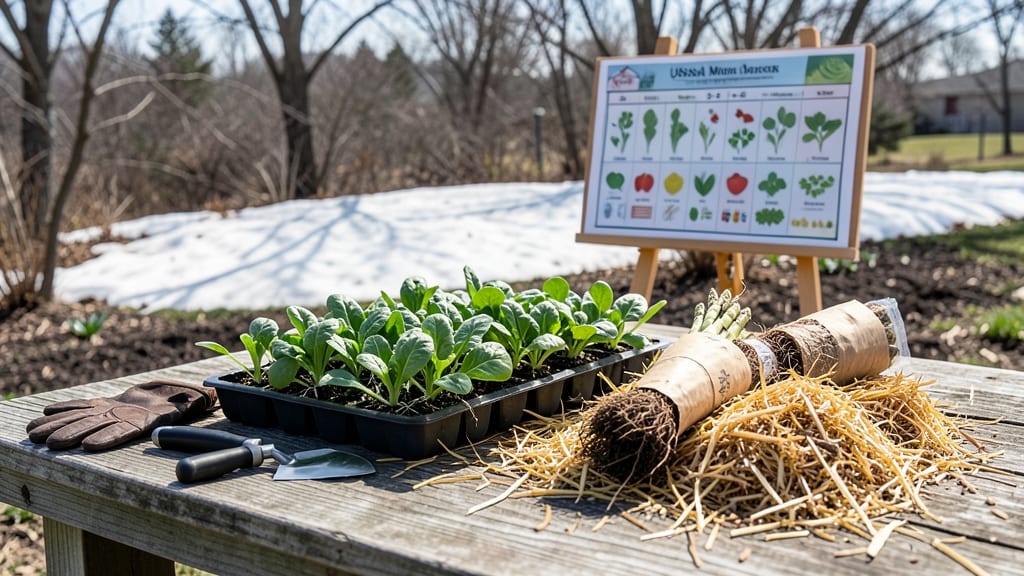
Planting your garden in Minnesota at the right time means the difference between a bountiful harvest and a sad pile of seedlings lost to frost.
Minnesota’s unpredictable frost dates can turn a gardener’s dream into a risky gamble—but timing your planting by crop type and hardiness zone transforms uncertainty into success. Whether you’re sowing cool-season greens or waiting for warm-season tomatoes, getting the timing right is everything.
From the 3b chill of northern Minnesota to the slightly milder 5b zones in the south, last frost dates shift by weeks. That’s why I’ve broken down the best planting windows for everything from asparagus to zucchini, plus how to adjust for indoor starts and regional microclimates.
You’ll learn exactly when to plant each crop, how to prep your soil for success, and which tricks work for extending your growing season—so you can finally stop guessing and start growing.
Minnesota frost dates & hardiness zones: the ultimate planting timeline guide
Minnesota’s USDA hardiness zones 3b-5b create a challenging yet rewarding gardening climate. The last spring frost typically arrives between May 10-20, while the first fall frost hits around October 10-20.
These dates vary dramatically across regions—northern Minnesota (Zone 3) faces shorter growing seasons than southern areas (Zone 5), where warmer microclimates extend planting windows.
Understanding your local frost dates is critical because cool-season crops like kale and peas thrive when planted 4-6 weeks before last frost, while warm-season plants such as tomatoes and peppers need soil temperatures above 50°F and no frost risk.
Even experienced gardeners in Minnesota lose crops yearly by misjudging these timelines.
Here’s how to navigate Minnesota’s planting zones and frost dates like a pro:
| Region | USDA Zone | Avg Last Frost | Avg First Frost | Plant Cool-Season | Plant Warm-Season |
|---|---|---|---|---|---|
| Northern MN (e.g., Duluth) | Zone 3b | May 20 | September 25 | April 15-May 1 | June 1-June 15 |
| Central MN (e.g., St. Cloud) | Zone 4a | May 10 | October 5 | April 1-May 10 | May 15-June 1 |
| Southern MN (e.g., Rochester) | Zone 4b | May 5 | October 15 | March 20-April 30 | May 1-May 15 |
| Twin Cities (Zone 4b-5a) | Zone 4b-5a | May 10 | October 10 | April 1-May 10 | May 15-June 1 |
| Southeast MN (e.g., Winona) | Zone 5a | April 25 | October 20 | March 15-April 15 | April 20-May 10 |
For Zone 3b gardeners in northern Minnesota, the growing season is short—just 120-130 frost-free days. Prioritize fast-maturing crops like radishes (30 days) and bush beans (50 days) while using row covers to extend early and late seasons.
In contrast, Zone 5a areas enjoy 150-160 frost-free days, allowing for longer-season varieties like heirloom tomatoes (80+ days) and sweet corn (90 days).
Use the University of Minnesota Extension’s frost date calculator (link in resources) for your specific location. Input your zip code to get historical frost data and 10-year averages—this is more accurate than general zone maps.
I always check this tool before ordering seeds, as it reveals microclimate nuances like urban heat islands in Minneapolis or cold pockets in valley areas.
Another pro tip: Start warm-season crops indoors 6-8 weeks before your last frost date. For example, if your last frost is May 10, begin tomato and pepper seedlings around March 15. Use grow lights to ensure strong seedlings—weak plants struggle to adapt when transplanted outdoors.
I’ve lost count of how many times I’ve seen gardeners rush this step and end up with stunted, leggy plants that never recover.
For fall planting, focus on cool-season crops like spinach, carrots, and kale. These can handle light frosts and even improve in flavor after a light freeze. Plant these 8-10 weeks before first frost—so if your frost is October 10, aim for August 1-15.
Succession planting works wonders here: Sow radishes every 2 weeks from April to August for continuous harvests.
Don’t forget about perennials and shrubs, which have their own planting windows. In Minnesota, the best time to plant woody plants is in early spring (April) or early fall (September), when soil is workable but not frozen.
This gives roots time to establish before winter. I’ve had 90% success rates with fruit trees and berry bushes planted in fall, as cool temperatures reduce transplant shock.
To
Best planting schedule for Minnesota crops: from asparagus to zucchini
Minnesota gardeners know timing is everything—especially when frost dates can shift by weeks. The key is matching each crop to its ideal planting window, whether it's cold-hardy greens in early spring or heat-loving tomatoes after the last frost.
In USDA Zones 3-5, even a 10-mile difference can mean 2-3 weeks of planting flexibility.
Northern Minnesota (Zone 3) has a shorter growing season, while the Twin Cities area (Zone 4-5) enjoys slightly longer summers. Always check your local last frost date—typically May 10-20—but be ready to adjust. Row covers and cold frames extend early planting for cool-season crops like spinach and peas.
🌱 Minnesota Planting Schedule by Crop Type
- Early Spring (March-April): Cold-hardy crops like spinach, peas, and kale can go in 4-6 weeks before last frost (Zone 4: March 15; Zone 3: April 1). Asparagus crowns need soil temps above 50°F—plant in early April.
- Late Spring (May-June): Warm-season crops like tomatoes, peppers, and zucchini wait until after May 15 (Zone 5) or June 1 (Zone 3). Start indoor seedlings in March-April for a head start.
- Summer (June-July): Succession plant bush beans, lettuce, and radishes every 2-3 weeks for continuous harvests. Cucumbers and squash thrive with warm soil—wait until late May in Zone 3.
- Fall (August-September): Cool-season crops like broccoli, carrots, and Swiss chard can be sown 6-8 weeks before first frost (Zone 4: August 15; Zone 3: September 1). Garlic goes in October for next year’s harvest.
For northern Minnesota (Zone 3), prioritize fast-maturing varieties like bush beans (50 days) or early cabbage (60 days). In the Twin Cities (Zone 4-5), you can squeeze in second crops of lettuce in late summer or even overwinter onions in fall.
Pro tip: Use mulch to warm soil faster in spring and black plastic to extend the season for late tomatoes. Always harden off seedlings for 7-10 days before transplanting to avoid shock.
Remember, soil temperature matters more than air temperature. Use a soil thermometer—most warm-season crops need 60°F+ soil to thrive. Peppers, for example, won’t germinate below 70°F.
Start with asparagus and rhubarb—they’re perennials that reward patience. Plant them once in early spring, and they’ll produce for 10+ years. For annuals like zucchini, time it right: late May to early June in Zone 3, mid-May in Zone 5.